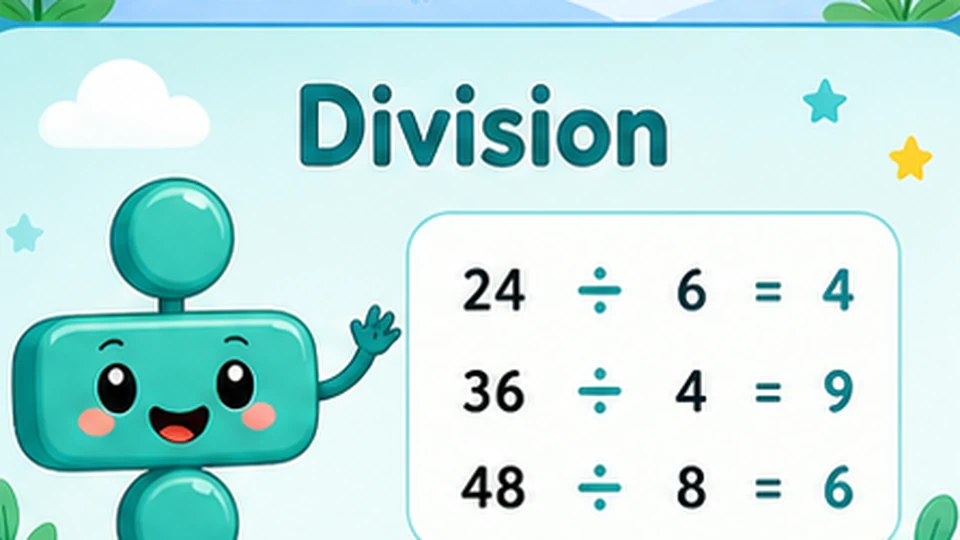
Division Facts 7 8 9 Grade 3
Division Facts 7 8 9 Grade 3 with direct iBloom worksheet and lesson links, parent and teacher routines, examples, and FAQs.
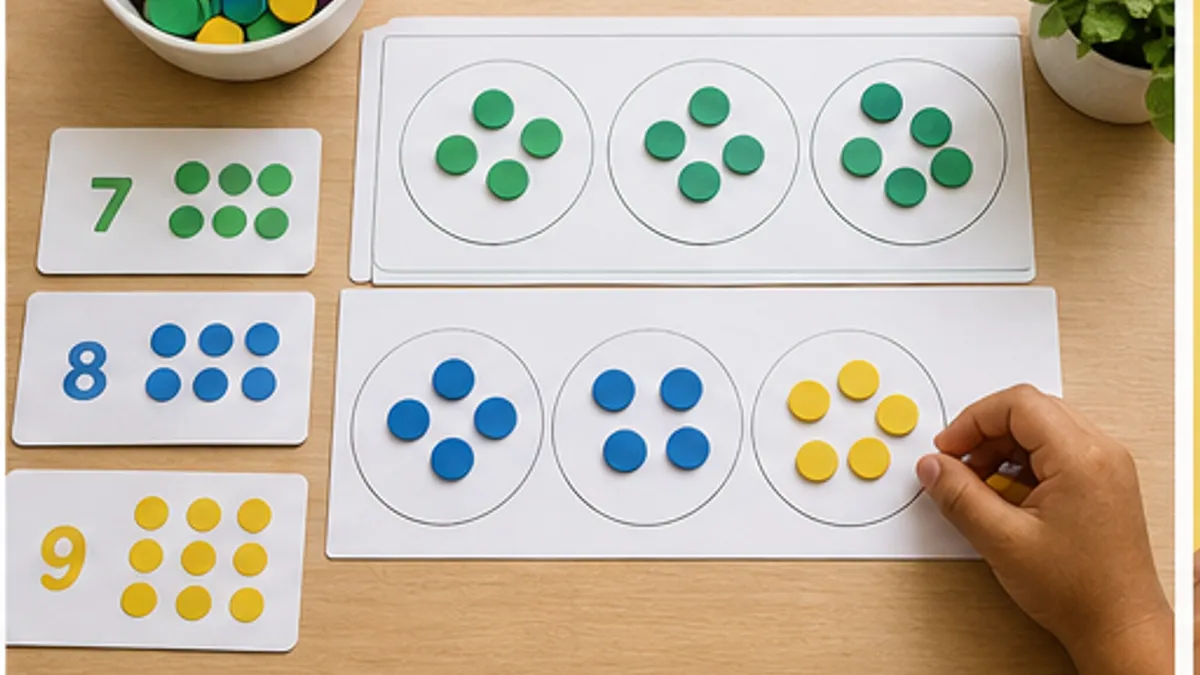
Use this guide when a child needs practical help with division facts 7 8 9 grade 3. It is written for parents, teachers, tutors, school support teams, and adults who want a clear routine instead of a confusing pile of links.
Start Here: Worksheets And Lessons
Open one iBloom practice page first. Use the rest of the guide to model, practise, correct mistakes, and decide what to do next.
Worksheets
Lessons
Worksheet And Lesson Preview
Dividing by Seven, Eight, and Nine Lesson for Third Grade iBloom Preview
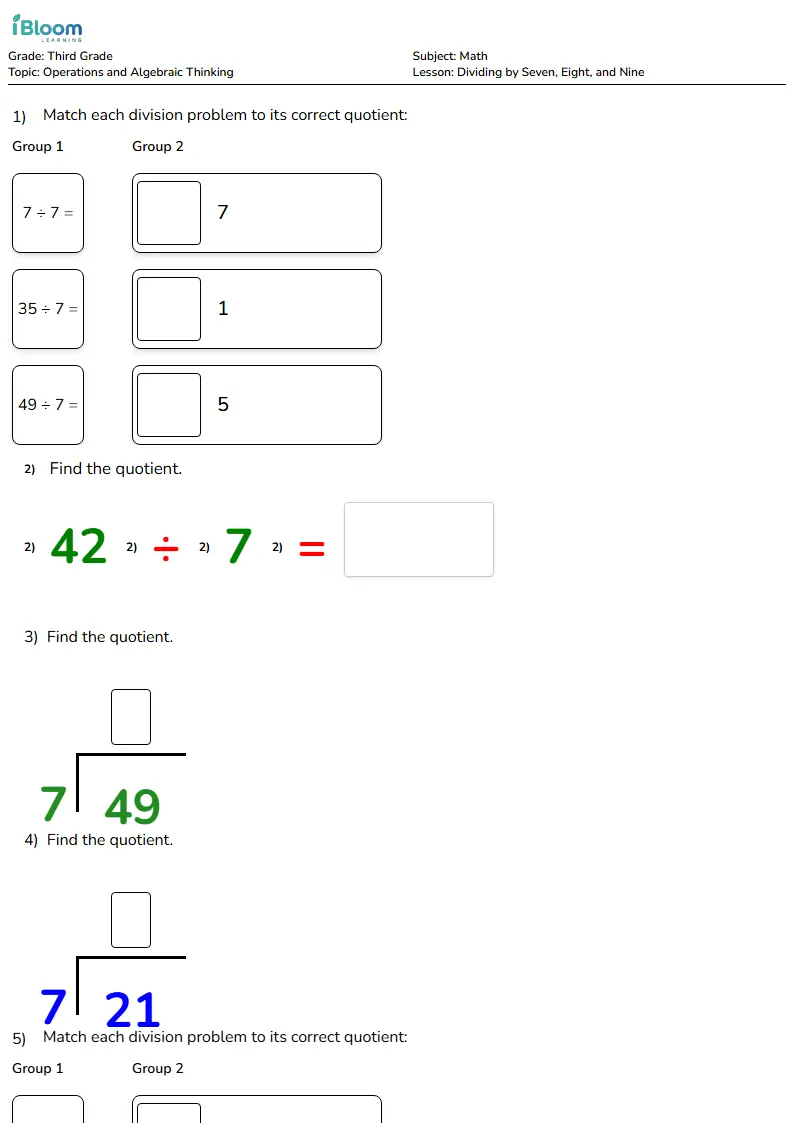
Use this preview to see the kind of practice children will open before you start the routine.
Key Takeaways
- Start with one short practice page, not a long assignment.
- Parents can model one item and ask the child to explain one answer.
- Teachers can use the routine for warm-ups, small groups, homework support, or review.
- Tutors can quickly see whether the child needs a model, a clue, or more independent practice.
- Children should know what to notice first and how to check their answer.
- Use this as a repeatable learning routine for Common Core Grade 3 division fact fluency and equal groups.
How Parents And Teachers Can Use This
This guide is useful at home, in class, in tutoring, and in school support programs. A parent may use it for a calm five-minute practice session. A teacher may use it for a small-group reteaching block. A tutor may use it to find the exact point where the child starts guessing.
The routine is simple: open the worksheet or lesson, model one item, let the child try a small set, and ask for one explanation. If the explanation is clear, add a little more practice. If it is not clear, return to the lesson and model again.
What Children Will Practice
Children will practise the core skill behind division facts 7 8 9 grade 3: noticing the important clue, word, picture, model, number relationship, or sentence detail. They will also practise explaining an answer in a way an adult can understand.
That explanation matters. A child who can explain one answer is usually closer to real understanding than a child who silently completes a full page.
Classroom And Home Routine
- Read the direction aloud.
- Ask the child what the page is asking them to do.
- Model one item slowly.
- Let the child try two or three items.
- Ask, "How do you know?"
- Correct one mistake pattern.
- Stop while the child is still focused.
- Repeat the next day with a slightly harder item.
Examples Adults Can Use
| Child response | Adult prompt | Helpful next step |
|---|---|---|
| The child guesses quickly | "Show me what helped you decide." | Ask the child to point, draw, underline, or count. |
| The child waits for the answer | "What is the first thing we should notice?" | Break the task into one visible step. |
| The answer is right but unexplained | "Can you teach me how you found it?" | Listen for the child's strategy. |
| The answer is wrong | "Let's fix the thinking, not just the answer." | Model one item again before adding more. |
Common Mistakes To Watch For
- Starting with too many questions.
- Letting the child rush because the page looks familiar.
- Checking answers without asking for reasoning.
- Using the worksheet when the child still needs the lesson.
- Repeating the same mistake without changing the support.
- Treating a finished page as mastery.
Extra Practice Ideas
Ask the child to make one similar question. Ask them to explain a wrong answer. Ask them to teach a younger child the first step. Ask them to use a drawing, number line, word card, sentence clue, or story detail to prove the answer.
For school use, turn one question into an exit ticket. For home use, stop after one confident explanation. For tutoring, keep a note of the mistake pattern and return to it in the next session.
Helpful Planning Sources
Frequently Asked Questions
Who is this guide for?
It is for parents, teachers, tutors, and school teams helping a child practise division facts 7 8 9 grade 3.
How long should one session take?
Five to ten minutes is enough for many children. Stop after a clear explanation rather than forcing a long session.
What if the child is confused?
Use the lesson link first, model one item, and reduce the worksheet to two or three questions.
What should the child be able to say?
The child should explain what they noticed and why the answer makes sense.
How should teachers use it?
Use it as a warm-up, small-group routine, homework support link, or quick review station.
Division Facts 7 8 9 Grade 3 Practice Examples
Use this section to turn the page into a small learning conversation. Ask the child to point, count, underline, explain, or draw the first clue before answering. Then ask for one complete explanation before adding more questions.
What To Say When A Child Gets Stuck
Try calm prompts such as "What did you notice first?", "Can you show the part that helped?", and "What is one smaller step?" These prompts keep the thinking visible without simply giving the answer.
Teacher Notes For Small Groups
Use one item as the model, one item as guided practice, and one item as an exit check. If several children make the same mistake, pause the worksheet and reteach that one step before continuing.
Parent Notes For Home Practice
Keep the session short. Sit beside the child, read the direction, model one item, and stop after a clear explanation. A steady five-minute routine is better than a long page completed with guesses.
Signs The Child Is Ready To Move On
The child is ready for harder practice when they can explain the first step, fix a small mistake, and complete a similar item without copying the adult.
Review Before The Next Session
Before moving on, ask the child to teach back one answer. If the explanation is clear, add a slightly harder item next time. If it is not clear, return to the lesson and model again.
A Fifteen Minute Support Plan
Use the first three minutes to open the lesson and talk through one model. Use the next seven minutes for guided worksheet practice. Use the final five minutes for one explanation, one correction, and one confidence-building question. For division facts 7 8 9 grade 3, the goal is not to finish as many items as possible. The goal is to make the child's thinking visible so the adult can choose the right next step.
In a classroom, this plan can become a station rotation. At home, it can become a calm after-school routine. In tutoring, it can become a quick diagnostic check before moving into harder work.
How Schools And Organizations Can Use This
Schools, tutoring centers, homeschool groups, and after-school programs can use this guide to create a common routine across adults. The same worksheet and lesson links can be shared with families, used in small-group instruction, and revisited during review week. When every adult uses the same language for division facts 7 8 9 grade 3, children hear consistent prompts instead of mixed directions.
A simple shared routine also makes progress easier to notice. Adults can record whether the child needed a model, answered with support, explained independently, or still guessed. That kind of note is more useful than only marking answers right or wrong.
Differentiation Ideas
For children who need more support, reduce the worksheet to two items and let them answer orally before writing. For children who are nearly ready, cover the model and ask them to explain the first step without help. For children who need challenge, ask them to create a similar question, trade it with a partner, and explain why the answer works.
Teachers can use the same page for mixed-readiness groups by changing the amount of prompting, not by giving every child a completely different task. Parents can use the easier version on a tired day and the challenge version when the child is confident.
How To Check Understanding Without Pressure
Ask the child to point to the clue, model, word, number, picture, or detail that helped. Then ask them to explain the answer in one sentence. If the explanation is unclear, return to the lesson and model again. If the explanation is clear, ask the child to solve one more item independently.
This approach keeps practice encouraging. The child learns that mistakes are information, not a reason to rush or quit. Adults get a practical way to decide whether the next step should be review, guided practice, or independent work.
Extra Support For Division Facts 7 8 9 Grade 3
Use this extra routine when the child needs one more bridge between the lesson and the worksheet. First, choose one easy item and ask the child to explain what they notice before answering. Next, choose one medium item and let the child try it with a small prompt. Finally, choose one independent item and ask the child to check the answer aloud. This three-step pattern helps parents, teachers, tutors, and school support teams see whether the child understands the skill or is only following the adult.
For home practice, keep the session calm and short. For classroom practice, use the routine as a small-group station or exit check. For tutoring, record the exact prompt that helped the child move from guessing to explaining. The same worksheet can support all three settings when the adult changes the amount of modeling and feedback.
What To Review Next Time
At the next session, start with one familiar item from the same skill. If the child can explain it quickly, move to a new example. If the child hesitates, return to the lesson page and model one answer again. This keeps practice steady without turning the worksheet into a long test. Children usually build confidence faster when they know what to notice, what to say, and how to check their own answer.
Related practice
Practice this topic
Continue with a lesson, generator, or printable worksheet.