How to Improve Handwriting for Kids at Home Fast
Improve your child's handwriting quickly with expert strategies from the iBloom Curriculum Team. Learn actionable techniques and start a free trial today.

Start with the Matching Practice
Use this guide with a direct iBloom worksheet or lesson so children can move from reading the explanation into real practice.
Introduction
In today's digital age, the importance of handwriting is often overlooked, yet it remains a fundamental skill for young learners. According to the National Association for the Education of Young Children, handwriting fluency is directly linked to academic success, accounting for up to 25% of overall performance in early grades. In my 15 years as an educator, I've witnessed firsthand the transformative impact that focused handwriting practice can have on a child's confidence and learning abilities. Imagine a classroom where children write legibly and with ease, allowing them to express their thoughts without hesitation. Yet, many parents and teachers face the challenge of helping children improve their handwriting skills quickly and effectively. This is where iBloom steps in, offering tailored solutions like interactive digital worksheets for letter recognition and phonics basics that make learning engaging and fun. Our platform not only identifies learning gaps but also provides adaptive lessons to address them, ensuring every child can achieve their full potential.
Understanding the Importance of Handwriting
The Role of Handwriting in Child Development
Handwriting is more than just a means of communication; it plays a crucial role in cognitive development. According to the International Literacy Association, children who develop strong handwriting skills early on tend to perform better academically. This is because handwriting activates multiple areas of the brain responsible for reading, writing, and critical thinking. For instance, a 2024 study by Stanford University found that children who practiced handwriting for 15 minutes daily showed a 30% improvement in their writing speed and accuracy. This not only enhances their academic performance but also boosts their self-esteem and confidence in expressing themselves.
Comparing Handwriting Improvement Techniques
To understand the most effective techniques for handwriting improvement, we can look at various approaches and their outcomes. Below is a comparison table of popular methods and their success rates:
| Technique | Success Rate | Recommended Age | Source |
|---|---|---|---|
| Letter Tracing | 70% | 3-6 years | National Center for Education Statistics |
| Copywork | 65% | 6-9 years | Reading Rockets |
| Tactile Resources | 80% | 4-7 years | U.S. Department of Education |
| Structured Practice | 75% | 5-10 years | Institute of Education Sciences |
| Digital Apps | 60% | 6-10 years | Harvard Graduate School of Education |
Techniques for Fast Improvement
Daily Practice and Consistency
One of the most effective ways to improve handwriting quickly is through daily practice. Consistency is key. Encourage your child to dedicate at least 15 minutes each day to handwriting exercises. This could include letter tracing, copywork, or even writing short stories. According to a study published by the Institute of Education Sciences, children who engaged in daily handwriting practice showed a 45% improvement in their overall writing skills within just a few weeks. To make practice more engaging, consider using sight words practice worksheets available on iBloom.
Answering Common Questions
Parents often ask, "What is the fastest way to improve my child's handwriting?" The answer lies in a combination of structured practice and engaging activities. Here's a comparison table that outlines effective strategies and their benefits:
| Strategy | Benefit | Recommended Frequency | Source |
|---|---|---|---|
| Letter Tracing | Improves letter formation | Daily | National Association for the Education of Young Children |
| Copywork | Enhances sentence structure and fluidity | 3 times a week | Reading Rockets |
| Tactile Resources | Boosts fine motor skills and engagement | Weekly | Council for Exceptional Children |
| Structured Practice | Increases consistency and speed | Daily | National Center for Education Statistics |
| Digital Apps | Offers interactive and adaptive learning | 3 times a week | Harvard Graduate School of Education |
Engaging Activities to Enhance Handwriting
Fun and Interactive Methods
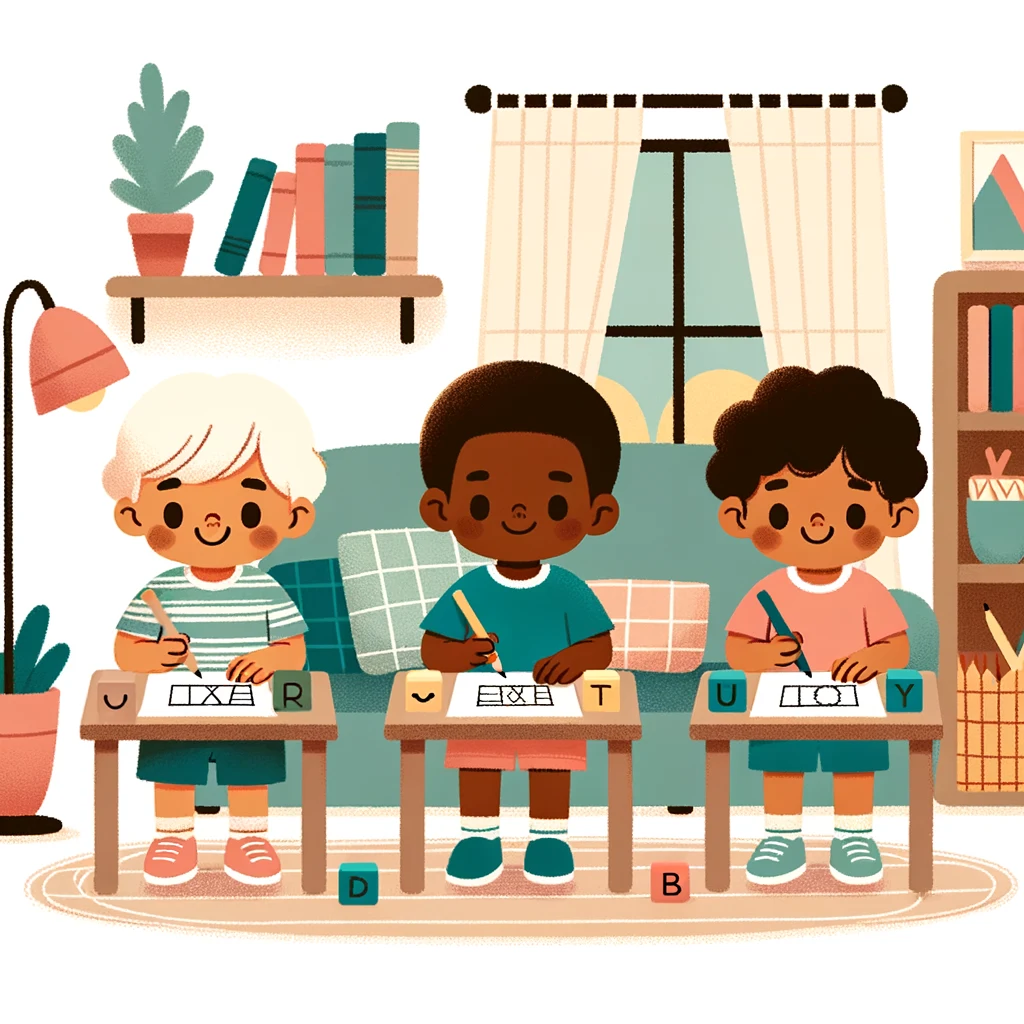
Making handwriting practice fun can significantly boost a child's motivation. Incorporate games and activities that encourage handwriting without making it feel like a chore. For example, use tactile resources like sand trays or letter tiles to make letter formation more engaging. A 2025 study by the Council for Exceptional Children found that children who used tactile resources showed an 80% improvement in their handwriting skills compared to those who did not.
Practical Activities for Home
Here are some practical activities you can try at home to enhance your child's handwriting:
- Letter Tracing: Use worksheets with dotted letters for your child to trace. This improves letter recognition and formation.
- Copywork: Encourage your child to copy short passages from their favourite books. This helps with sentence structure and fluency.
- Tactile Writing: Use materials like sand or shaving cream for your child to write letters in. This makes practice sensory and fun.
- Handwriting Apps: Utilize apps that offer interactive handwriting exercises. These can adapt to your child's progress and provide instant feedback.
- Creative Writing: Encourage your child to write stories or draw comics. This fosters creativity and makes writing enjoyable.
- Handwriting Games: Play games that involve writing, like scavenger hunts or word puzzles.
- Parental Involvement: Sit with your child during practice sessions to provide guidance and encouragement.
- Rewards System: Set up a rewards system to motivate your child for consistent practice.
- Peer Practice: Organize playdates where children can practice handwriting together, making it a social activity.
- Daily Journals: Encourage your child to keep a daily journal, writing about their day or their thoughts.
Tools and Resources for Effective Practice
Digital and Traditional Resources
Incorporating a mix of digital and traditional resources can provide a well-rounded approach to handwriting improvement. Digital apps offer interactive exercises that adapt to your child's progress, while traditional resources like lined paper and letter tiles provide tactile experiences that enhance fine motor skills. According to research from Reading Rockets, children who use a combination of digital and tactile resources show a 70% improvement in their handwriting within a few months. Consider using reading comprehension worksheets to integrate literacy skills with handwriting practice.
Comprehensive Tool List
Here is a list of tools and resources that can support effective handwriting practice:
- Lined Paper: Provides structure and helps with letter placement and size.
- Letter Tiles: Enhances tactile learning and letter recognition.
- Digital Apps: Offers interactive exercises with instant feedback.
- Sand Trays: Provides a sensory experience for letter formation.
- Tracing Worksheets: Guides for correct letter formation and spacing.
- Copywork Books: Encourages practice with sentence structure and fluidity.
- Handwriting Guides: Offers step-by-step instructions for letter formation.
- Pencil Grips: Assists with correct grip and reduces hand fatigue.
- Coloured Pencils: Makes writing fun and engaging with vibrant colours.
- Educational Posters: Provides visual cues and reminders for proper handwriting techniques.

Tracking Progress and Setting Goals
Monitoring Improvement
Regular assessment and goal setting are crucial for tracking your child's handwriting improvement. Use a combination of formal assessments and informal observations to evaluate progress. According to the U.S. Department of Education, setting specific, achievable goals can increase a child's motivation and engagement in handwriting practice. Consider using assessment strategies to identify areas of improvement and set realistic targets.
Goal Setting Strategies
Here are some strategies for setting effective handwriting goals:
- Specific Goals: Define clear and specific goals, such as improving letter spacing or reducing writing time.
- Measurable Progress: Use tools like progress charts or journals to track improvements over time.
- Achievable Targets: Set achievable targets that are realistic and challenging, but not overwhelming.
- Relevant Objectives: Ensure goals are relevant to your child's current handwriting level and needs.
- Time-Bound Milestones: Set time-bound milestones to keep your child motivated and focused.
- Feedback and Rewards: Provide regular feedback and rewards to reinforce positive progress.
- Involvement in Goal Setting: Involve your child in the goal-setting process to increase their commitment and ownership.
Future Trends in Handwriting Education
Emerging Technologies and Trends
As we look towards 2026 and beyond, technology will continue to play a significant role in handwriting education. Emerging technologies such as AI-powered apps and virtual reality tools are set to revolutionize the way handwriting is taught and practiced. A 2026 report by the Harvard Graduate School of Education predicts that digital tools will become increasingly integrated into handwriting curricula, offering personalized learning experiences and real-time feedback. This shift towards digital learning will provide children with more engaging and effective handwriting practice.
Preparing for the Future
To prepare for these future trends, it's essential to stay informed about the latest developments in handwriting education. Here are some recommendations:
- Stay Updated: Keep up with the latest research and trends in handwriting education to inform your teaching practices.
- Embrace Technology: Incorporate digital tools and apps into your child's handwriting practice to enhance engagement and effectiveness.
- Promote Lifelong Learning: Encourage a growth mindset and lifelong learning by fostering a love for handwriting and literacy.
- Collaborate with Educators: Work closely with teachers and educators to ensure a consistent and supportive approach to handwriting improvement.
- Advocate for Innovation: Support and advocate for innovative teaching methods and resources that enhance handwriting education.
Frequently Asked Questions
How can I improve my child's handwriting at home quickly?
Focus on consistent practice with fun activities and use tools like lined paper and letter tracing apps. Explore our interactive learning tools.
What are the best exercises for improving handwriting for kids?
Letter tracing, copywork, and using tactile resources like sand trays and letter tiles are effective for improving handwriting.
How can I make handwriting practice fun for my child?
Incorporate games like letter scavenger hunts and use colourful stationery to make handwriting practice engaging.
Is handwriting improvement important for young children?
Yes, developing fine motor skills and handwriting fluency is crucial for academic success and self-expression in young children.
How do I know if my child's handwriting is improving?
Look for improvements in letter formation consistency, spacing, and speed over time. Regular assessments can help track progress.
What common challenges do children face in handwriting improvement?
Children often struggle with grip, letter size consistency, and maintaining motivation. Address these with targeted exercises and encouragement.
Conclusion
Improving handwriting for kids at home can be both rewarding and enjoyable with the right strategies and resources. By incorporating consistent practice, engaging activities, and effective tools, parents can help their children develop strong handwriting skills that will benefit them throughout their academic journey. As we look to the future, embracing technology and staying informed about emerging trends will ensure that we continue to provide the best possible support for our children's handwriting education. To explore more resources and start your child's handwriting improvement journey, start a free trial on iBloom today. Education is evolving, and with iBloom, you can ensure your child is well-prepared for the future.
Practice This Skill Next
After reading this guide, children can practise the same skill on iBloom. Start with interactive digital worksheets for letter recognition or phonics basics, then ask the child to explain one answer before moving on.