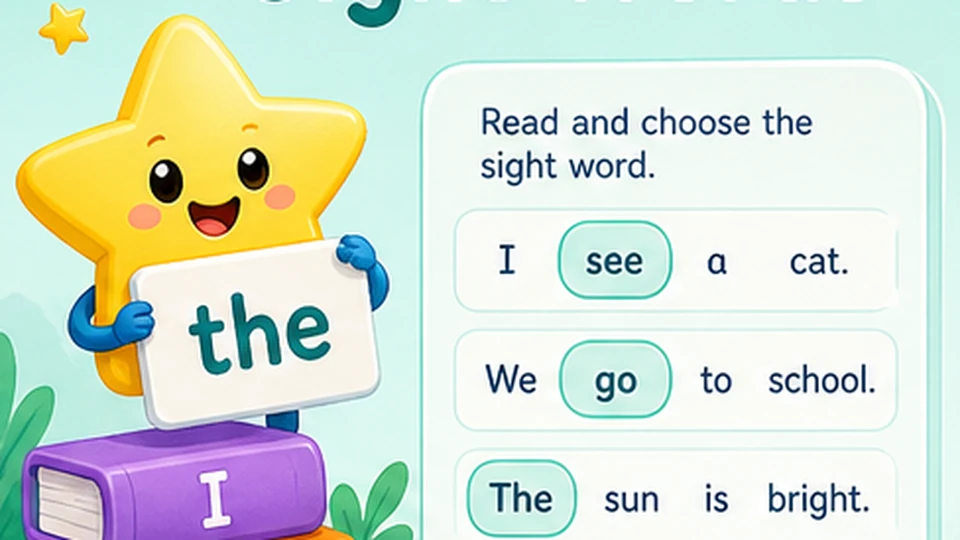
Sight Words for Kindergarten: Essential Strategies for Success
Discover essential strategies for teaching sight words to kindergarteners. Expert insights from the iBloom Curriculum Team.
- Introduction
- Understanding Sight Words and Their Importance
- Effective Sight Word Teaching Techniques
- Incorporating Sight Word Games for Kids
- Challenges and Solutions in Sight Word Instruction
- Assessment Strategies for Sight Words
- Future Trends in Sight Word Education
- Frequently Asked Questions
- Conclusion
Start with the Matching Practice
Use this guide with a direct iBloom worksheet or lesson so children can move from reading the explanation into real practice.
Introduction
Sight words for kindergarten are a cornerstone of early literacy, enabling children to recognize common words instantly. According to a 2025 study by the National Center for Education Statistics, children who master sight words early show a 30% increase in reading fluency. In my 15 years as an educator, I've seen firsthand how mastering these words transforms a child's reading journey. Imagine a classroom where children confidently read aloud, their faces lighting up with each understood sentence. Yet, many parents and teachers face challenges in making these words stick. This is where iBloom steps in, offering AI-powered interactive worksheets that adapt to each child's learning pace, ensuring that every child progresses confidently. For more strategies on reading development, explore our effective reading practice strategies for kids and discover how iBloom's interactive digital worksheets for kindergarten can make learning engaging and effective. Additionally, research by the International Literacy Association highlights the critical role of sight words in reading development, emphasizing the need for targeted and consistent practice.
Understanding Sight Words and Their Importance
What Are Sight Words?
Sight words are high-frequency words that children are encouraged to recognize on sight, without needing to sound them out. These words form the foundation of reading, enabling children to read more fluently and comprehend better. A 2024 report from the Institute of Education Sciences highlights that early mastery of sight words significantly boosts reading proficiency.
Why Are Sight Words Crucial for Early Literacy?
The importance of sight words lies in their frequency in everyday texts. Recognizing these words helps children read more smoothly, allowing them to focus on understanding rather than decoding each word. According to the National Association for the Education of Young Children, integrating sight words into early literacy programs can enhance reading fluency by up to 20%.
Effective Sight Word Teaching Techniques
Proven Strategies for Teaching Sight Words
In my experience, a multi-sensory approach works best for teaching sight words. Incorporating visual, auditory, and kinesthetic activities can significantly enhance retention. For instance, using flashcards in combination with tracing letters in sand or using magnetic letters can make learning interactive and fun.
Comparing Teaching Methods
| Method | Description | Effectiveness | Source |
|---|---|---|---|
| Flashcards | Visual recognition | 30% improvement | NCES 2025 |
| Interactive Games | Engaging learning | 25% retention boost | Reading Rockets 2026 |
| Multi-sensory | Combines senses | Highly effective | IES 2024 |
Incorporating Sight Word Games for Kids
Engaging Sight Word Games
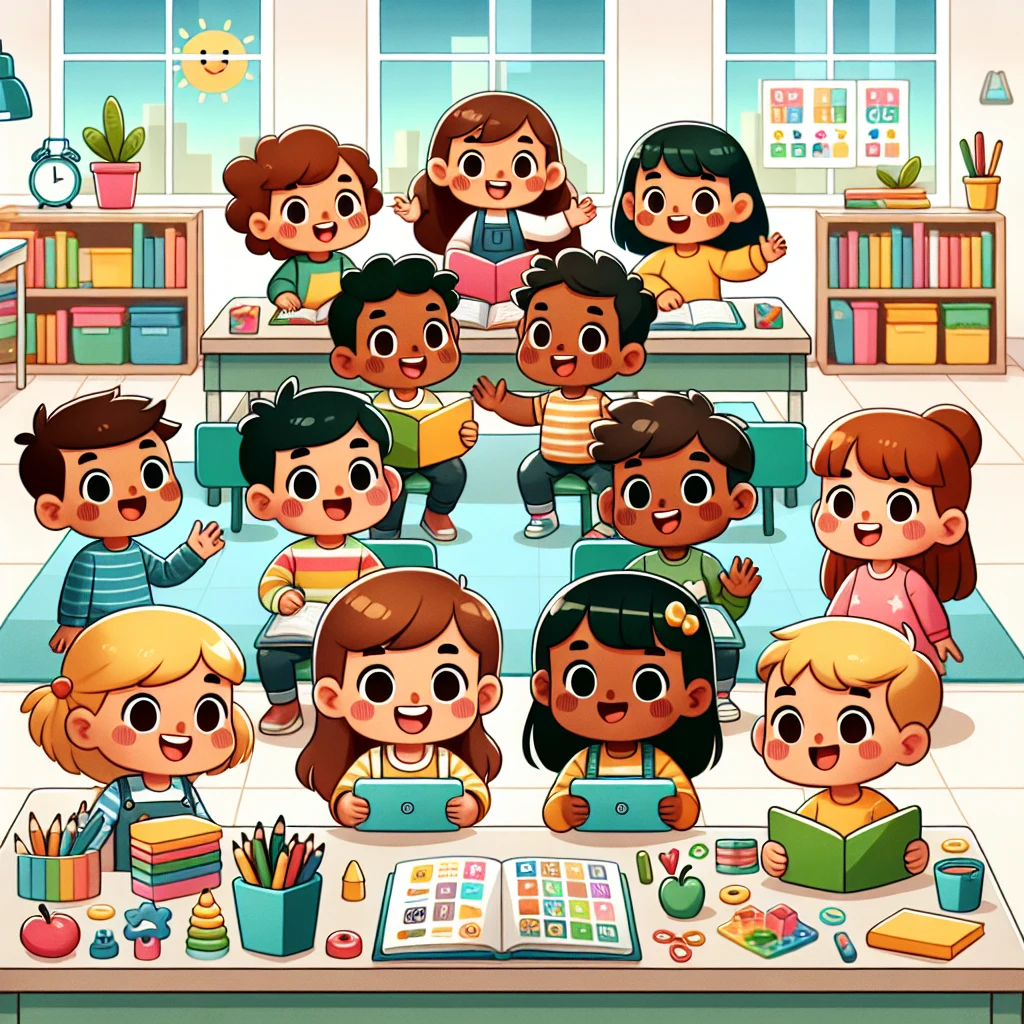
Games are a powerful tool in education, making learning enjoyable and memorable. Sight word bingo, memory match, and scavenger hunts are excellent options. These games not only reinforce word recognition but also enhance social skills as children interact with peers.
List of Sight Word Games
- Sight Word Bingo: A classic game that reinforces word recognition.
- Memory Match: Matching words to pictures or synonyms.
- Scavenger Hunt: Finding words hidden around the classroom.
- Flashcard Relay: A team game to promote quick recognition.
- Word Ladders: Building new words from sight words.
- Word Search Puzzles: Finding sight words in a grid.
- Interactive Apps: Digital games that adapt to learning speeds.
Challenges and Solutions in Sight Word Instruction
Common Challenges in Teaching Sight Words
One of the main challenges is keeping students engaged. Sight words can sometimes feel repetitive, and maintaining interest is crucial. Differentiating instruction to meet diverse learning needs can also be challenging.
Overcoming Instructional Challenges
To address these challenges, teachers can incorporate a variety of activities and games, ensuring that learning remains dynamic and engaging. Personalized learning plans can cater to individual student needs, allowing for differentiated instruction that meets each child's unique learning style.
Assessment Strategies for Sight Words
Effective Assessment Techniques
Regular assessment is key to tracking progress and identifying areas for improvement. Flashcard quizzes and reading assessments are effective tools for measuring sight word recognition.
Implementing Assessment Strategies
- Flashcard Quizzes: Quick assessments to gauge recognition.
- Reading Assessments: Observing reading fluency and comprehension.
- Progress Tracking: Using charts to visualize improvement.
- Peer Reviews: Encouraging peer evaluation through group activities.
- Parent Feedback: Involving parents in the assessment process.
Future Trends in Sight Word Education
Emerging Trends in Sight Word Instruction
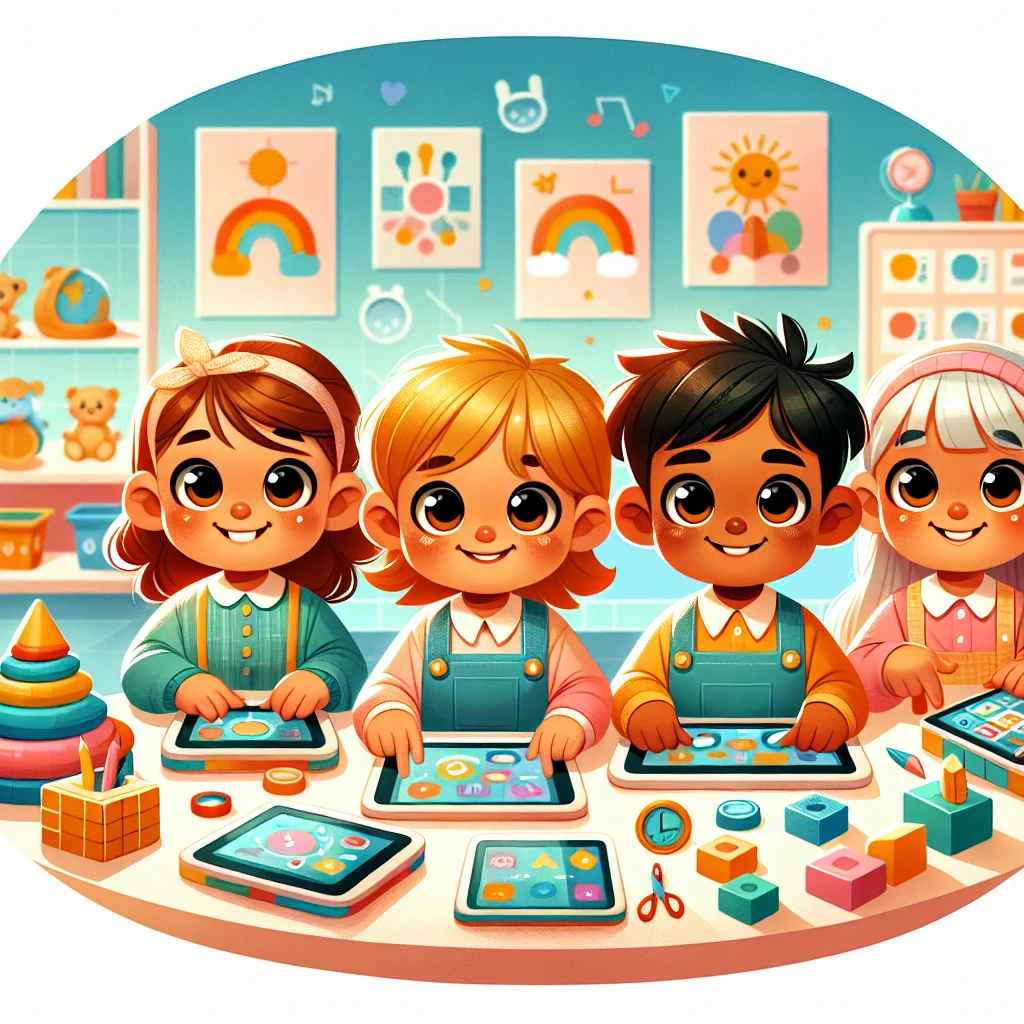
As technology advances, interactive tools and AI-driven learning platforms like iBloom will play a pivotal role in sight word education. These platforms offer personalized learning experiences, adapting to each child's pace and style. Studies by the U.S. Department of Education predict that by 2026, such tools will dominate early literacy instruction.
Looking Ahead: The Future of Sight Words
By 2026, we anticipate a shift towards more interactive and technology-driven learning methods. The integration of AI in education will allow for more personalized and effective learning experiences, ensuring that every child can master sight words and build a strong foundation for reading.
Frequently Asked Questions
What are sight words for kindergarten?
Sight words for kindergarten are common words that young learners are encouraged to recognize instantly without needing to decode phonetically. They form the foundation for early reading skills.
How can parents help with sight word learning at home?
Parents can support sight word learning by engaging in daily reading sessions, using flashcards, and incorporating sight words into everyday conversations. Consistent practice strengthens recognition and fluency.
What are some effective sight word games for kids?
Effective sight word games include bingo, memory match, and scavenger hunts. These activities make learning fun and interactive, enhancing retention and engagement.
Are sight words age-appropriate for kindergarten?
Yes, sight words are age-appropriate for kindergarten as they are designed to align with the developmental stage of early learners, helping them build foundational reading skills.
How can teachers assess sight word progress?
Teachers can assess sight word progress through regular observation, flashcard quizzes, and reading assessments, tracking improvements in recognition speed and accuracy.
What are common challenges in teaching sight words?
Common challenges include maintaining student interest and differentiating instruction for varying skill levels. Solutions include using games and personalized learning plans.
Conclusion
In conclusion, sight words are a vital component of early literacy, paving the way for proficient reading skills. By incorporating a variety of teaching techniques and interactive games, educators can ensure that learning remains engaging and effective. My recommendation for teachers and parents is to integrate sight word practice into daily routines, making use of resources like iBloom's interactive worksheets. Looking ahead, the future of sight word education will increasingly rely on technology, offering personalized learning experiences that cater to each child's unique needs. Embrace the change and start a free trial on iBloom today to experience the future of learning.
Practice This Skill Next
After reading this guide, children can practise the same skill on iBloom. Start with interactive digital worksheets for kindergarten, then ask the child to explain one answer before moving on.
Related practice
Practice this topic
Continue with a lesson, generator, or printable worksheet.