Free printable practice
Compound Practice Activities
Class 2 compound sentence worksheets help children join two complete ideas using simple conjunctions and correct sentence punctuation.
Free printable worksheet PDFs
Preview every available page, then download the free worksheet PDF for home, homeschool, tutoring, or classroom practice.
Preview the exact activity before downloading it.
 Sentences: Compound — Recognise the SkillRecognise the Skill for sentences: compound in Class 2. Choose compound sentences and circle the joining words in complete ideas.Class 2Free PDF preview
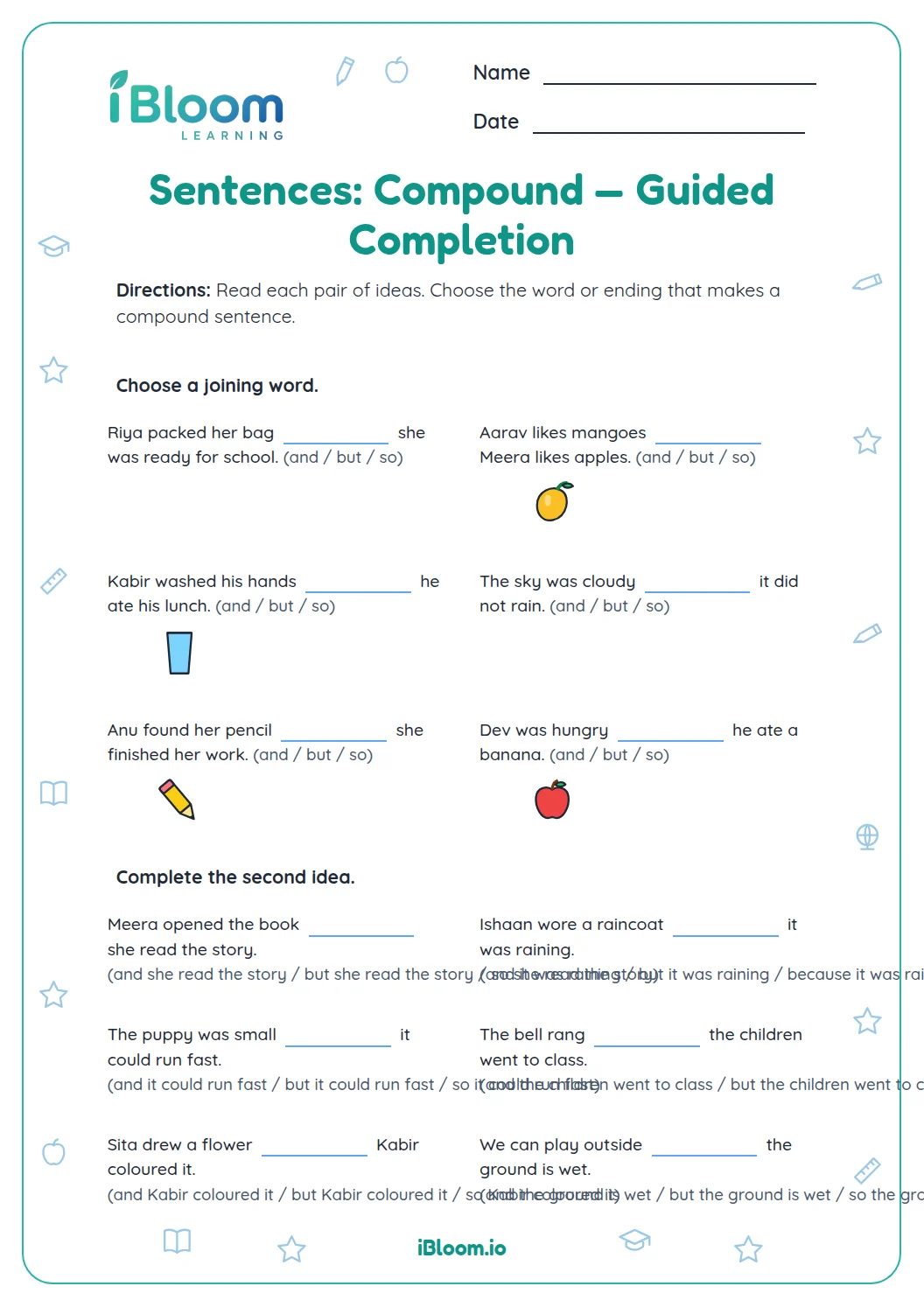 Sentences: Compound — Guided CompletionGuided Completion for sentences: compound in Class 2. Choose the correct conjunction or ending to complete each compound sentence.Class 2Free PDF preview
 Sentences: Compound — Sentence PracticeSentence Practice for sentences: compound in Class 2. Choose suitable conjunctions, complete compound sentences, spot the joining words, and write joined sentences with correct punctuation.Class 2Free PDF preview
 Sentences: Compound — Write and ApplyWrite and Apply for sentences: compound in Class 2. Join two complete ideas with and, but or so, then write the compound sentences with correct punctuation.Class 2Free PDF preview
 Sentences: Compound — Edit and CorrectEdit and Correct for sentences: compound in Class 2. Read each compound sentence, fix capitals, punctuation, and conjunctions, then write the corrected sentence.Class 2Free PDF preview
 Sentences: Compound — Mixed Review and ChallengeMixed Review and Challenge for sentences: compound in Class 2. Choose, complete, spot, and write compound sentences using conjunctions and correct punctuation.Class 2Free PDF preview
Practice that builds confidence
What children learn
These Class 2 grammar worksheets help children understand compound sentences as two complete ideas joined into one clear sentence. Learners practise spotting simple sentences, choosing suitable joining words, and checking that each part makes sense on its own.
The printable activities include sentence matching, fill-in-the-blank conjunction practice, rewriting tasks, and error correction. They build confidence with common connectors such as and, but, or, and so while reinforcing capital letters, full stops, and meaningful word order.
A compound sentence joins two complete thoughts. In Class 2, the focus is not on long technical definitions, but on hearing and seeing that both parts can stand alone: “I packed my bag” and “I wore my shoes” can become “I packed my bag, and I wore my shoes.” Children learn the vocabulary of sentence, joining word, complete thought, and punctuation.

Skill progression in the worksheets
The practice usually begins with identifying whether a sentence has one idea or two. Children then match related simple sentences, choose a sensible connector, and rewrite them as one compound sentence. Later tasks ask them to fix missing capitals, full stops, or unsuitable joining words. Examples stay close to a child’s world—school, friends, play, food, pets, and daily routines—so the grammar point stays clear.
A simple parent routine
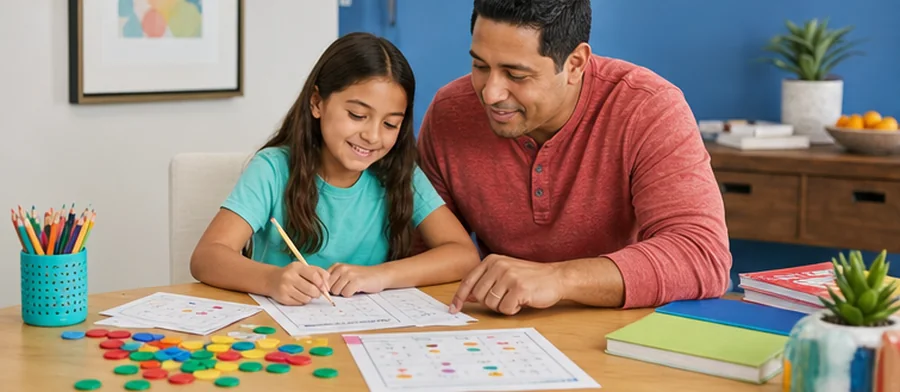
Read two short sentences aloud and ask, “Can both of these stand alone?” Then let your child choose a joining word: and for adding, but for showing a difference, or for giving a choice, and so for showing a result. After writing the compound sentence, ask the child to cover the joining word and check both sides again. This quick oral check prevents many run-on sentences.
Classroom uses
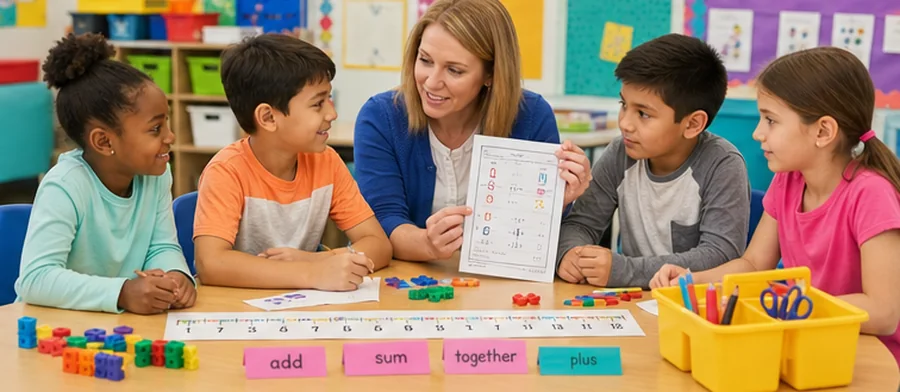
Teachers can use these printables for grammar centres, morning work, small-group support, or follow-up after a sentence lesson. Sentence strips work well: one group holds first ideas, another holds second ideas, and a third group selects joining words. The written worksheet then helps children move from oral combining to accurate independent writing.
Common errors to watch for
Some children join a complete idea to a fragment, such as “I went outside and played.” This is a good sentence, but it is not the clearest example of two complete thoughts. Others overuse and for every sentence, forget the second subject, or make very long strings of ideas. Encourage short, clear compound sentences before adding variety.
Free printable PDF download
Use this compound sentences worksheets for class 2 page to preview the activity, print it, or download it as a PDF for quick practice. It works well for homework, homeschool lessons, tutoring, morning work, revision, and classroom centers.
Answers and answer key support
After the child completes the worksheet independently, parents and teachers can use the answer support or answer key information to check the work, review mistakes, and choose the next practice step.
Why iBloom worksheets help
iBloom worksheets give repeated, age-appropriate practice without making Class 2 grammar feel abstract. The tasks move from recognition to construction to editing, so children do more than memorise a rule. A child-friendly strategy is: “Read left, read right, choose the bridge.” If both sides are complete and the bridge word fits, the compound sentence is ready.
Helpful answers
Frequently asked questions
What is a compound sentence for Class 2?
A compound sentence joins two complete ideas into one sentence using a joining word such as and, but, or, or so. Each side should make sense on its own.
Which joining words should my child practise first?
Start with and for adding ideas, but for showing contrast, or for choices, and so for results. These are familiar enough for Class 2 children to use in everyday sentences.
How can I tell if my child has made a proper compound sentence?
Ask your child to read the words before and after the joining word separately. If both parts sound like complete sentences, the compound sentence is likely correct.
Should Class 2 children use commas in compound sentences?
Some examples may show a comma before the joining word, especially in longer sentences. At this level, the main goal is understanding two complete ideas, a suitable connector, and end punctuation.
What mistakes are common in compound sentence practice?
Children often use and too often, join a complete sentence to a fragment, or make sentences too long. Encourage short, clear ideas before asking for more variety.
Is this compound sentences worksheets for class 2 free?
Yes. You can preview it for free and use the printable worksheet for home or classroom practice.
Can I download this compound sentences worksheets for class 2 as a PDF?
Yes. Use the worksheet download option to save a printable PDF, or print the worksheet directly from the page.
Does this compound sentences worksheets for class 2 include answers or an answer key?
When the activity has fixed answers, iBloom includes answer support so parents and teachers can check the completed worksheet.