Free printable practice
Writing Prompts Practice Activities
Printable Class 2 writing prompts help children plan ideas, write sentences and paragraphs, respond to pictures, and practise simple letters or messages.
Explore Writing Prompts
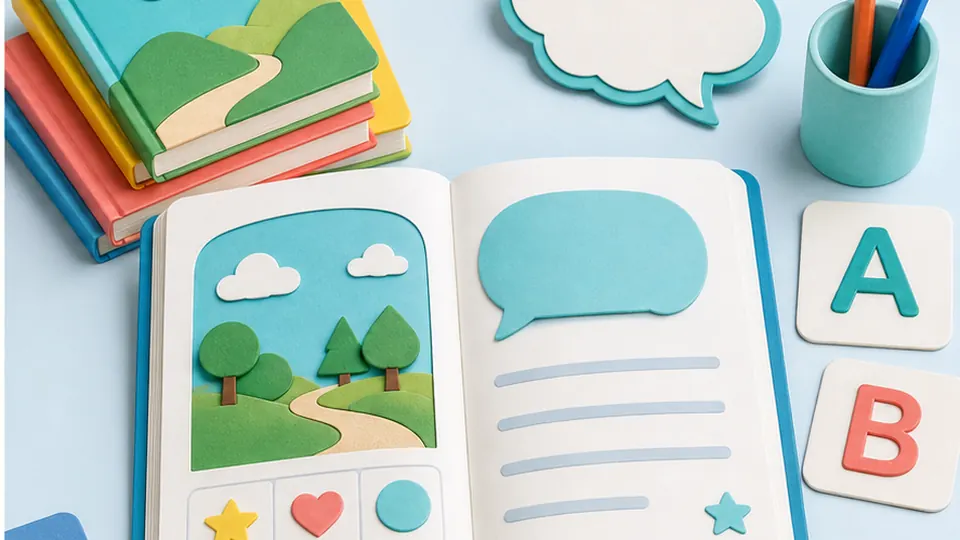
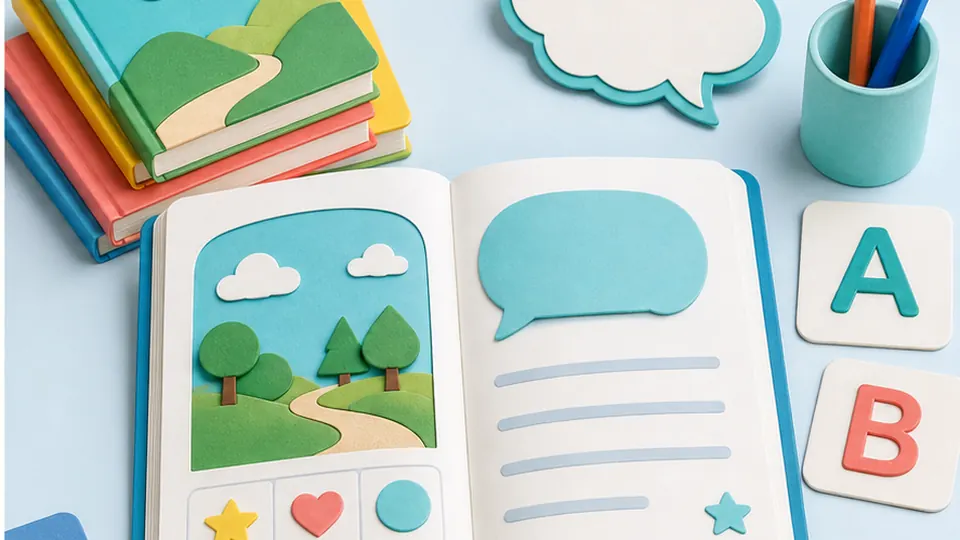
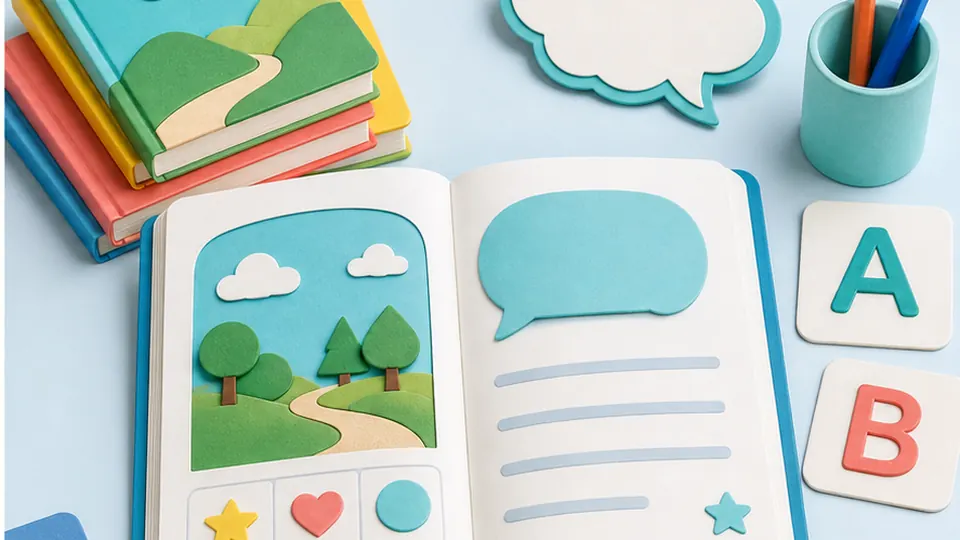
Practice that builds confidence
What children practise
These Class 2 writing prompts give children regular practice in turning thoughts into clear written work. Activities cover sentence prompts, picture prompts, subject prompts, draw-and-write tasks, short research practice, paragraphs, and simple messages or letters.
The worksheets are built for young writers who can form sentences but still need help choosing ideas, adding details, and organising them. Children practise observing, imagining, answering questions, and writing with correct spacing, capital letters, and end punctuation.
In this Grammar and Writing collection for Class 2, children move from guided answers to fuller writing. A prompt may ask them to describe a rainy day, write about a favourite animal, complete a sentence, label a drawing, or respond to a picture. The focus is not only on neat writing, but also on thinking: Who is in the picture? What happened first? What detail can make the sentence clearer?

From sentences to paragraphs
The progression supports early composition skills. Sentence prompts help children write one complete thought. Picture prompts encourage observation and vocabulary. Draw Write pages let children create an idea visually before explaining it in words. Paragraph activities bring related sentences together around one topic, while subject prompts help children write about familiar themes such as school, family, festivals, places, animals, and daily routines.
Research, messages, and letters
Short research practice introduces children to finding and using simple facts, such as writing a few lines about a bird, a plant, or a community helper. Messages and letters build real-life writing skills: greeting someone, writing a purpose, adding details, and closing politely. Children learn that writing changes depending on whether they are telling a story, giving information, or sending a note.
A simple parent routine
At home, read the prompt together and ask three oral questions before writing: What is your main idea? What two details will you add? How will your sentence end? Let the child say the answer aloud first, then write. After writing, ask them to check capital letters, finger spaces, full stops or question marks, and whether the writing matches the prompt. For picture prompts, encourage them to name objects, actions, feelings, and colours before starting.

Classroom uses for teachers
Teachers can use these printable pages for writing centres, morning work, grammar and writing practice, notebook extension, or small-group support. One group may work on sentence prompts while another develops a paragraph from a shared picture. The same worksheet can also be used for oral discussion first, followed by independent writing, peer reading, and a quick correction round.

Common errors and a child-friendly strategy
Watch for unfinished sentences, repeated words, missing punctuation, and lists of ideas that do not connect. Some children may copy the prompt without adding their own detail. A useful strategy is Think, Say, Write, Check: think of the idea, say the sentence aloud, write it carefully, then check if it tells who or what, what happened, and where needed, one extra detail.
Free printable PDF download
Use this class 2 writing prompts worksheet page to preview the activity, print it, or download it as a PDF for quick practice. It works well for homework, homeschool lessons, tutoring, morning work, revision, and classroom centers.
Answers and answer key support
After the child completes the worksheet independently, parents and teachers can use the answer support or answer key information to check the work, review mistakes, and choose the next practice step.
Why iBloom worksheets help
iBloom worksheets give Class 2 children varied prompts instead of one fixed writing format. The mix of pictures, sentence starters, drawing spaces, paragraph tasks, research topics, and message-writing practice helps children build confidence, vocabulary, organisation, and purpose in writing.
Helpful answers
Frequently asked questions
What types of writing prompts are included for Class 2?
The collection includes research practice, paragraph writing, draw-and-write pages, sentence prompts, picture prompts, messages and letters, and subject-based writing prompts.
Are these worksheets suitable for children who write only short sentences?
Yes. Many pages begin with simple sentence-level prompts, so children can first practise complete thoughts before moving towards short paragraphs and longer responses.
How can picture prompts improve writing?
Picture prompts help children observe details, name actions and feelings, build vocabulary, and write sentences that match what they see instead of guessing without a clear idea.
How should parents help without writing the answer for the child?
Parents can discuss the prompt, ask guiding questions, and let the child say the sentence aloud. The child should then write independently and check capitals, spacing, and punctuation.
Do the worksheets include real-life writing practice?
Yes. Message and letter-writing activities help children practise greetings, purpose, details, and polite endings, which are useful beyond story or paragraph writing.
Is this class 2 writing prompts worksheet free?
Yes. You can preview it for free and use the printable worksheet for home or classroom practice.
Can I download this class 2 writing prompts worksheet as a PDF?
Yes. Use the worksheet download option to save a printable PDF, or print the worksheet directly from the page.
Does this class 2 writing prompts worksheet include answers or an answer key?
When the activity has fixed answers, iBloom includes answer support so parents and teachers can check the completed worksheet.