Free printable practice
Counting Money Shopping Problems Practice Activities
Grade 3 students practise solving shopping-style money problems by counting coins and bills, finding totals, and choosing sensible ways to pay.
Practice that builds confidence
Building shopping money sense
These Grade 3 counting money shopping problems help children connect coin and bill counting to real buying situations. Students practise reading item prices, combining amounts, comparing costs, and deciding whether they have enough money.
The printable activities use familiar store-style contexts such as buying snacks, toys, or school supplies. Children may count mixed coins and bills, add prices, choose correct payments, and solve short word problems that require careful money reasoning.
Shopping problems ask children to do more than count a pile of coins. They must understand that prices represent amounts, that several items can be combined into one total, and that the same total can be made in different ways. These worksheets support Grade 3 math practice with dollars, cents, quarters, dimes, nickels, pennies, and bills in realistic contexts.

Skill progression in the activities
Problems can begin with identifying and counting a single set of coins or bills, then move toward adding two or more prices. Children may compare two purchases, select which group of money pays for an item, or decide if a shopper has enough. This progression helps students shift from simple counting to multi-step reasoning while keeping the setting concrete and understandable.
A simple parent routine
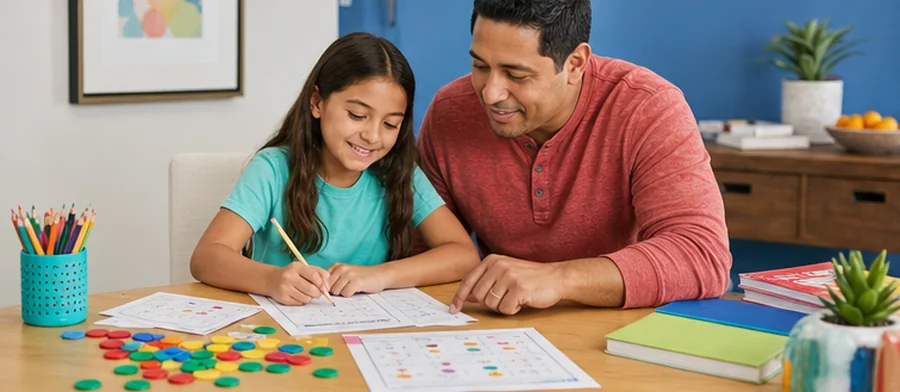
At home, start by reading the price aloud together: “This notebook costs $1.35.” Ask your child to build the amount with play money or draw the coins. Then ask, “Could we make it another way?” For word problems, have your child underline the prices, circle the question, and write a number sentence before solving. A quick grocery receipt or pretend store shelf can make the worksheet feel connected to everyday life.
Classroom uses for teachers
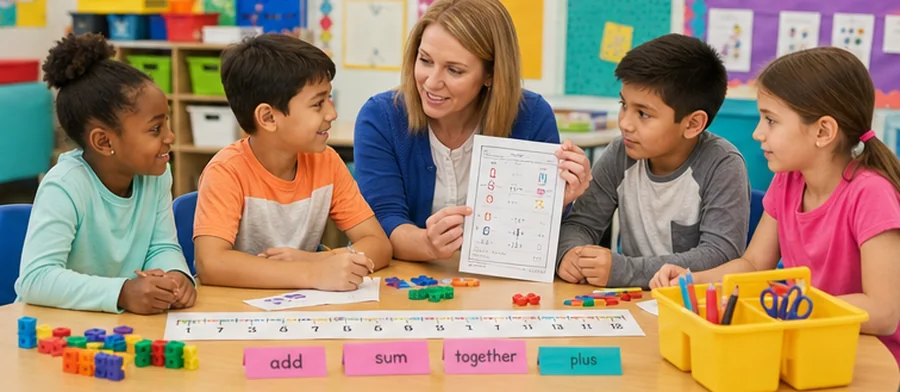
Teachers can use these printables for small-group reteaching, math centers, morning work, or independent practice after a money lesson. They also work well for partner discussion: one student explains the coins counted while the other checks the total. For extra challenge, students can write a matching shopping problem using the same prices or create two different payments for one item.
Common errors to watch for
Many Grade 3 students count coins in the order they appear instead of from greatest value to least value, which can lead to skipped or repeated counts. Others confuse cents and dollars, forget to regroup 100 cents as one dollar, or add price digits without considering place value. Encourage students to label answers with $ or ¢ and to check whether the amount is reasonable for the item.
Free printable PDF download
Use this grade 3 counting money shopping problems worksheet page to preview the activity, print it, or download it as a PDF for quick practice. It works well for homework, homeschool lessons, tutoring, morning work, revision, and classroom centers.
Answers and answer key support
After the child completes the worksheet independently, parents and teachers can use the answer support or answer key information to check the work, review mistakes, and choose the next practice step.
Why iBloom worksheets help
The iBloom activities keep the math focused on meaningful shopping decisions, not isolated coin drills. Clear layouts, practical word problems, and varied answer formats help children practise accuracy, vocabulary, and reasoning. A child-friendly strategy is: read the story, find each price, count by value, add carefully, then ask, “Does my answer make sense for a purchase?”
Helpful answers
Frequently asked questions
What money skills do these Grade 3 shopping worksheets practise?
They practise counting mixed coins and bills, reading prices, adding item costs, comparing amounts, choosing payments, and deciding whether a shopper has enough money.
Are these worksheets only about counting coins?
No. Coin counting is included, but the focus is using money in shopping situations, such as finding a total cost or matching a payment to a price.
How can I help my child solve a money word problem?
Have your child underline each price, circle what the question asks, count or add the money carefully, and label the answer with dollars or cents.
What common mistakes should I watch for in counting money?
Watch for counting coins out of sequence, mixing up cents and dollars, forgetting that 100 cents equals $1, and writing an answer without a money symbol.
Can teachers use these worksheets in math centers?
Yes. They are useful for centers, partner work, small-group review, independent practice, or follow-up after lessons on coins, bills, and money word problems.
Is this grade 3 counting money shopping problems worksheet free?
Yes. You can preview it for free and use the printable worksheet for home or classroom practice.
Can I download this grade 3 counting money shopping problems worksheet as a PDF?
Yes. Use the worksheet download option to save a printable PDF, or print the worksheet directly from the page.
Does this grade 3 counting money shopping problems worksheet include answers or an answer key?
When the activity has fixed answers, iBloom includes answer support so parents and teachers can check the completed worksheet.