Free printable practice
Science Practice Activities
Printable Nursery, LKG and UKG science worksheets for early practice with the body, plants, animals, weather, food, energy, forces and environment.
Explore Science
Free printable worksheet PDFs
Preview every available page, then download the free worksheet PDF for home, homeschool, tutoring, or classroom practice.
Preview the exact activity before downloading it.
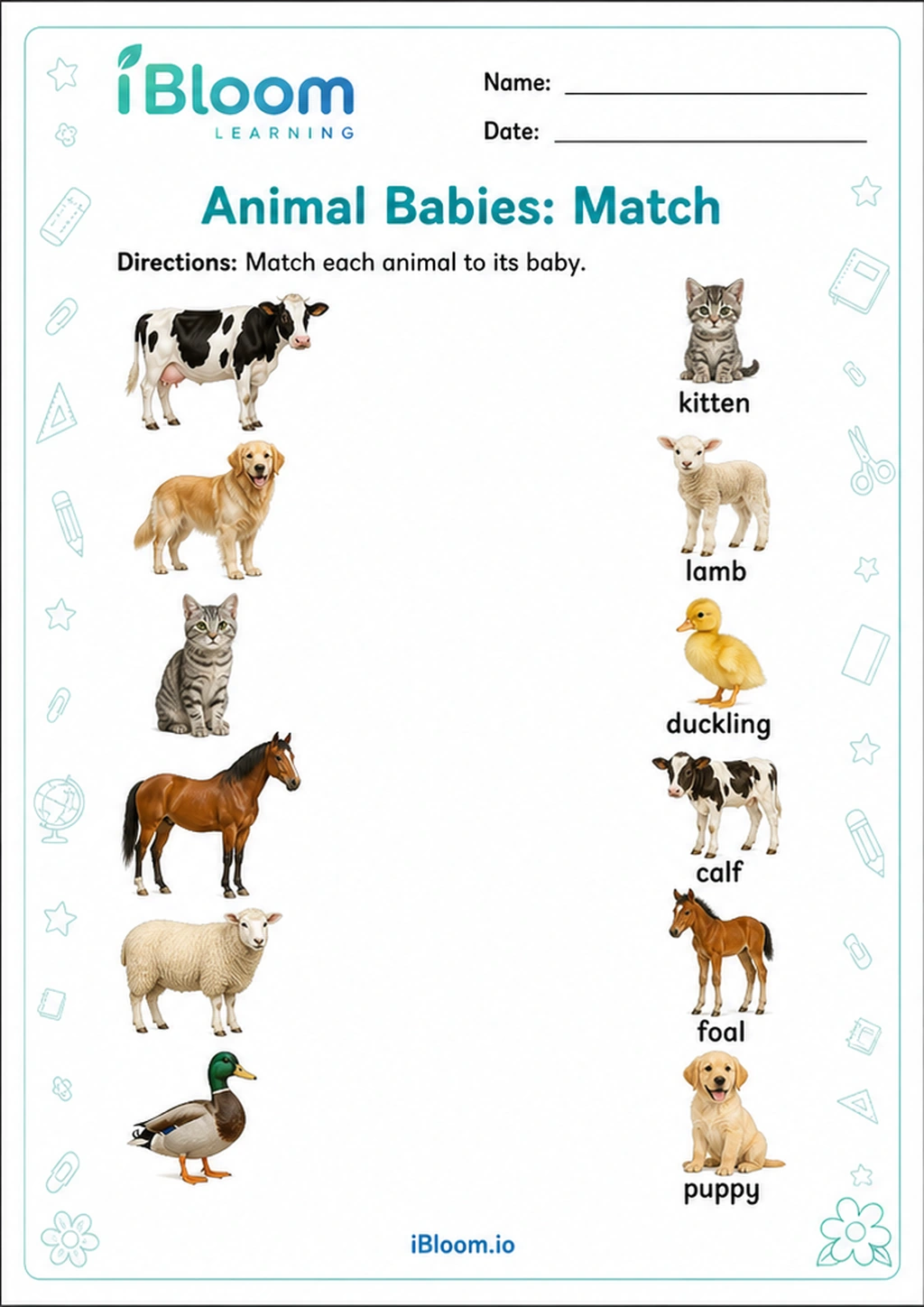 Animal Babies: MatchLKG printable practice for Animal Babies.LKGFree PDF preview
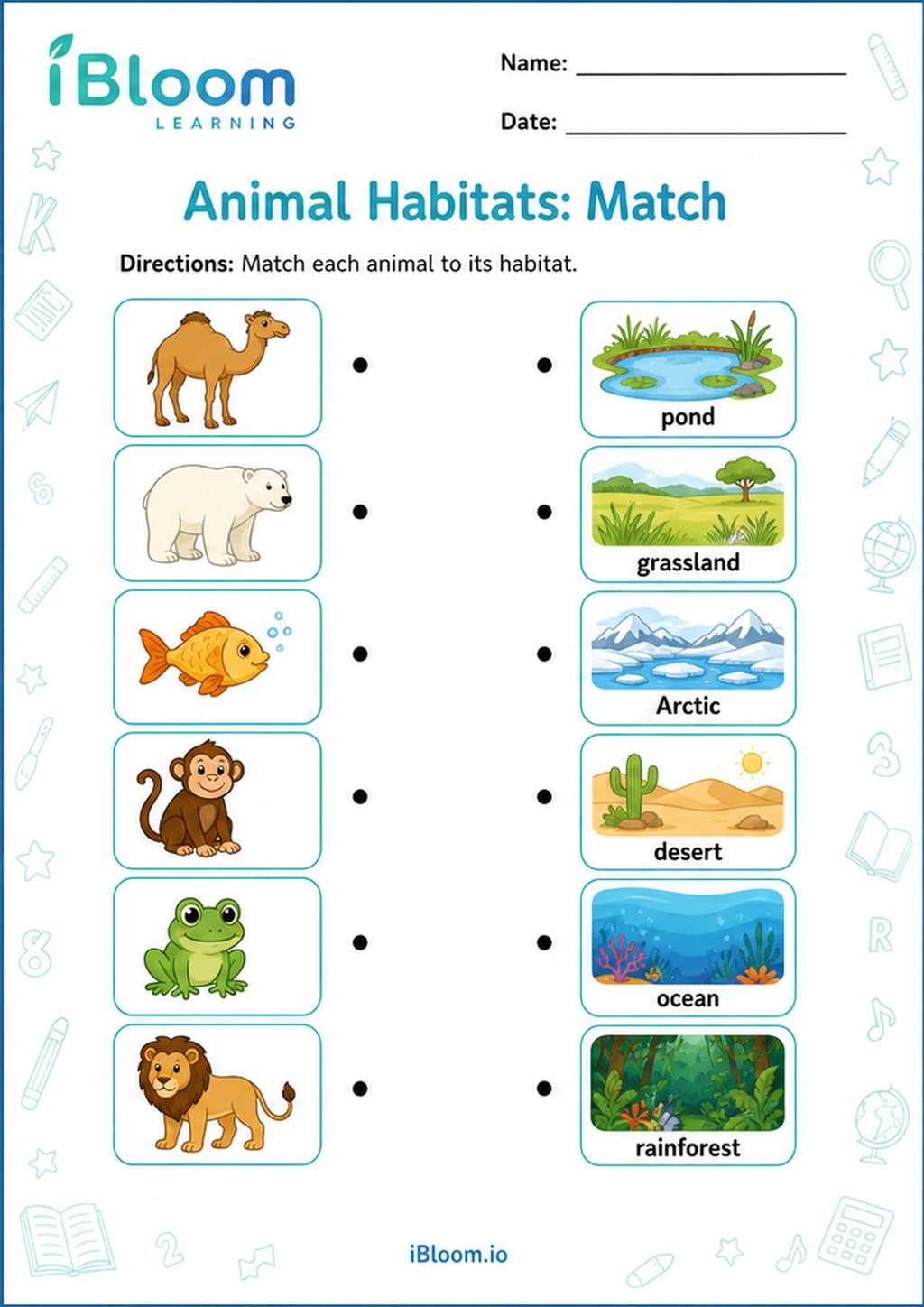 Animal Habitats: MatchUKG printable practice for Animal Habitats.UKGFree PDF preview
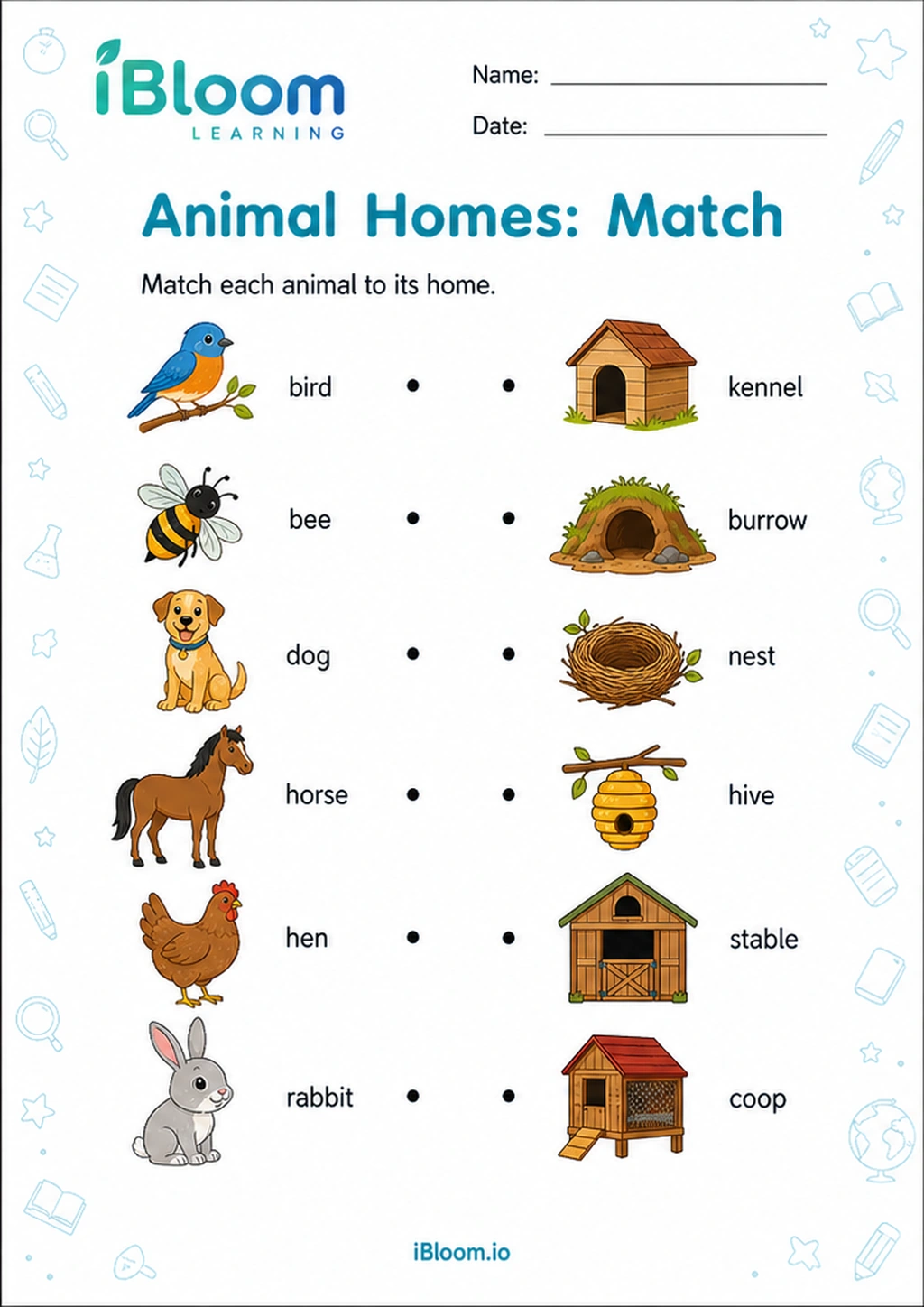 Animal Homes: MatchLKG printable practice for Animal Homes.LKGFree PDF preview
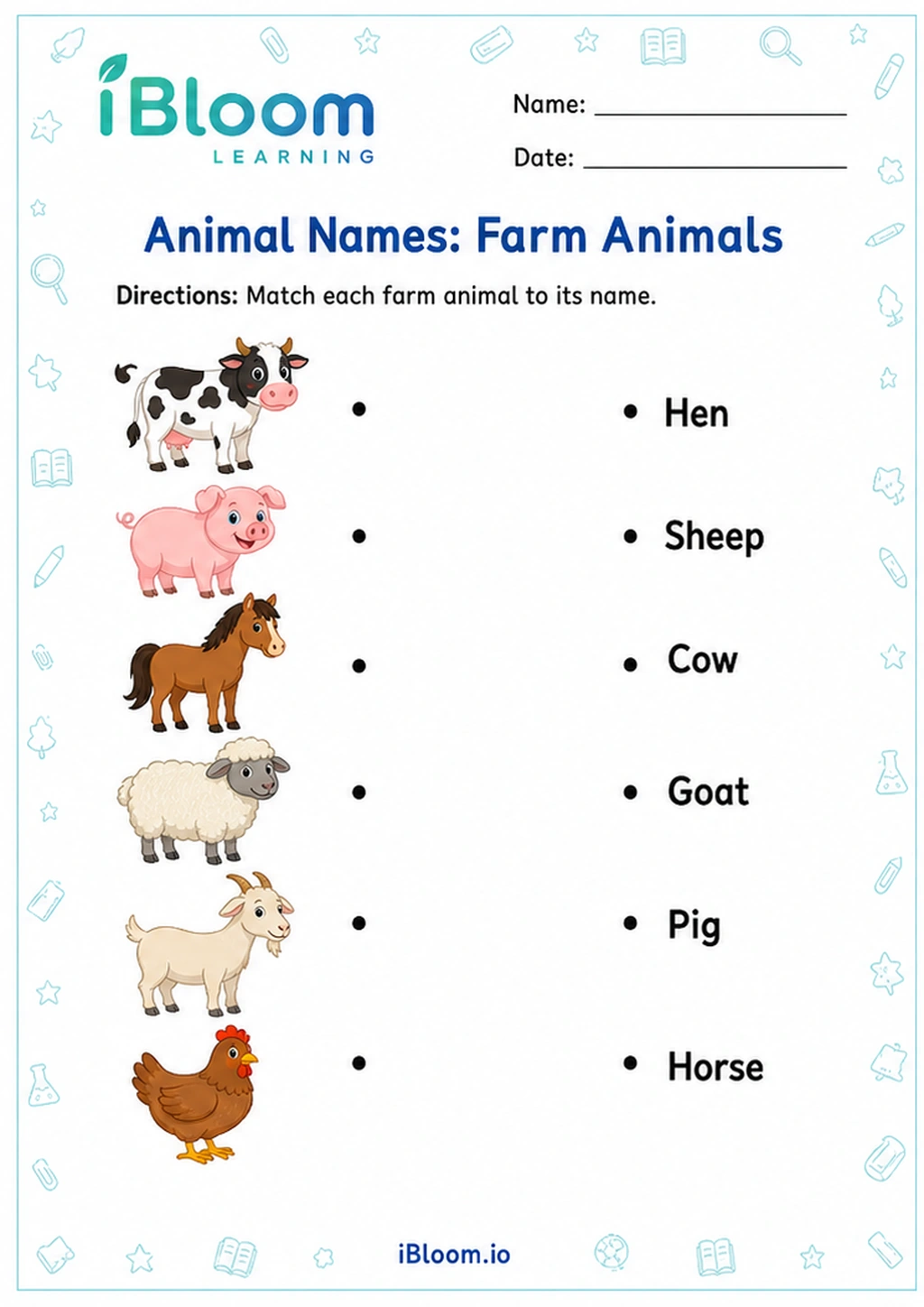 Animal Names: Farm AnimalsLKG printable practice for Animal Names.LKGFree PDF preview
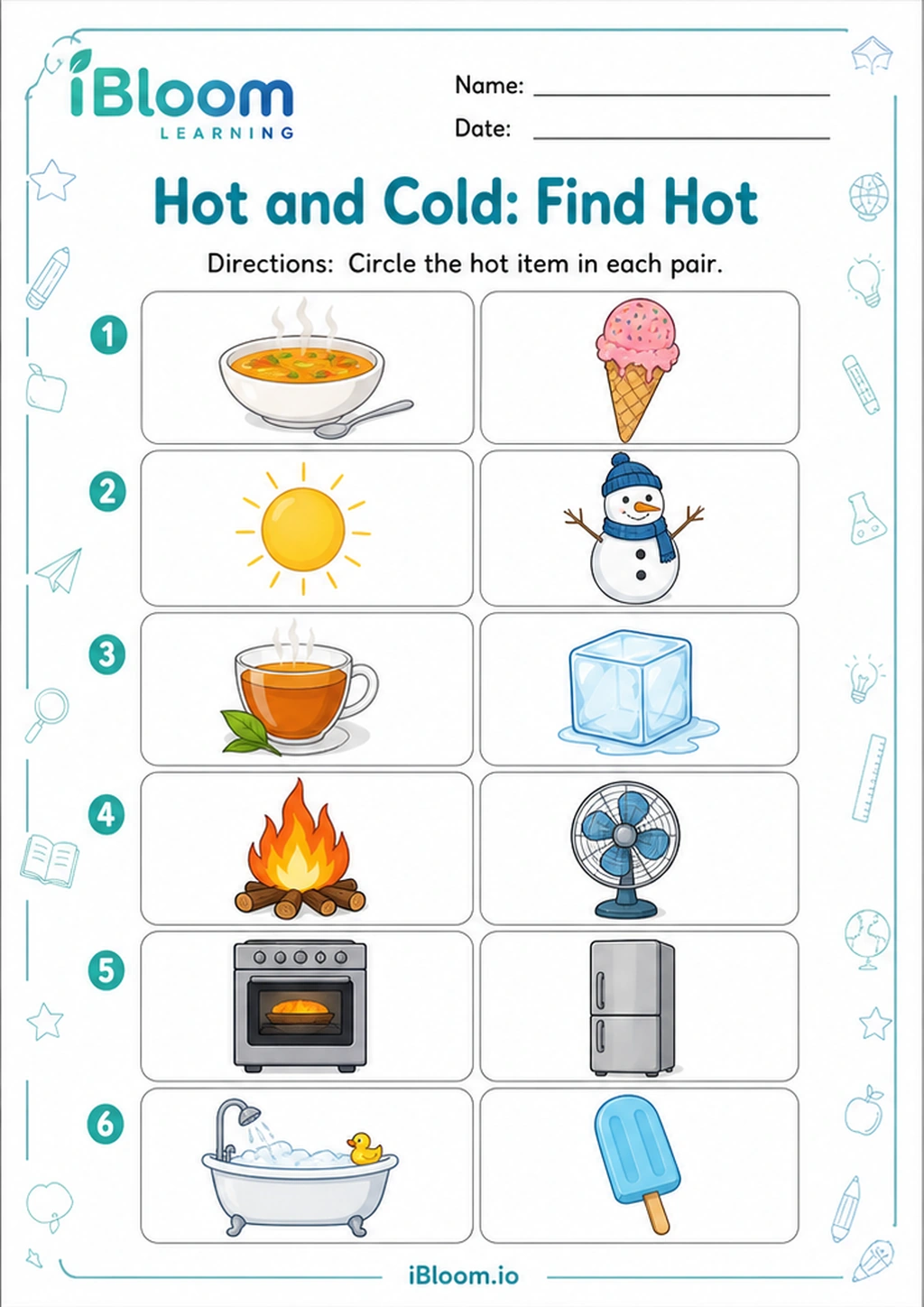 Hot and Cold: Find HotLKG printable practice for Hot and Cold.LKGFree PDF preview
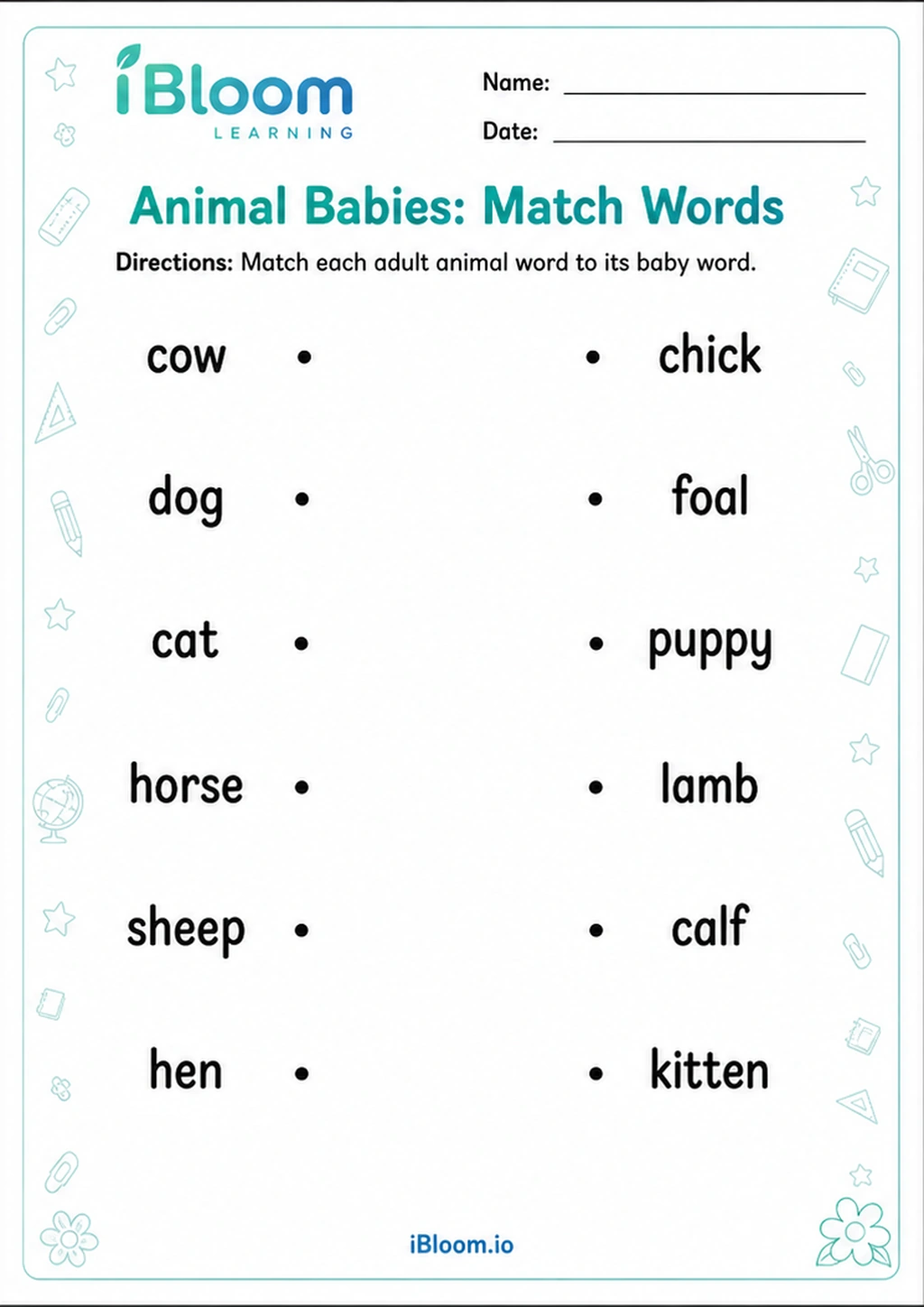 Animal Babies: Match WordsLKG printable practice for Animal Babies.LKGFree PDF preview
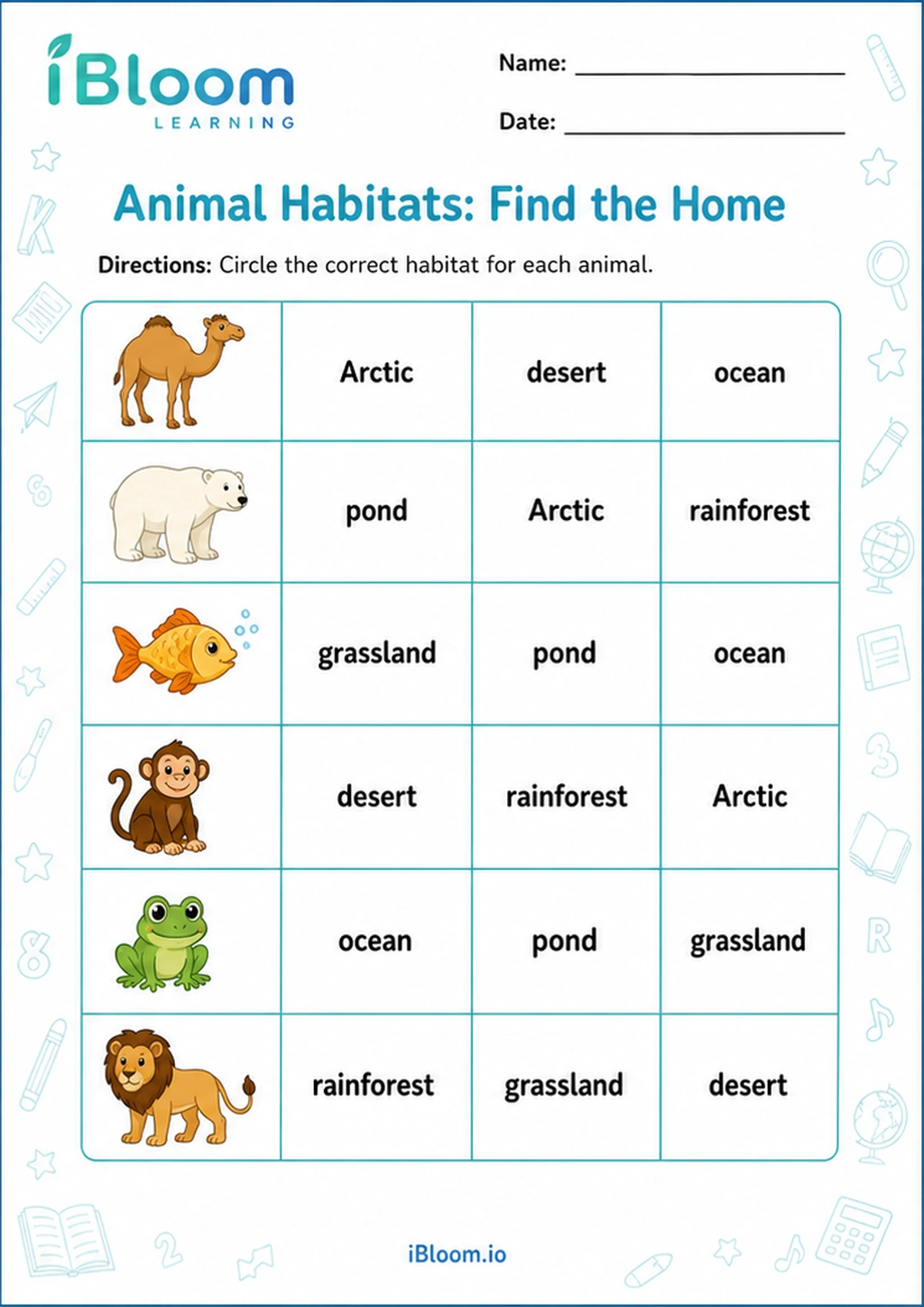 Animal Habitats: Find the HomeUKG printable practice for Animal Habitats.UKGFree PDF preview
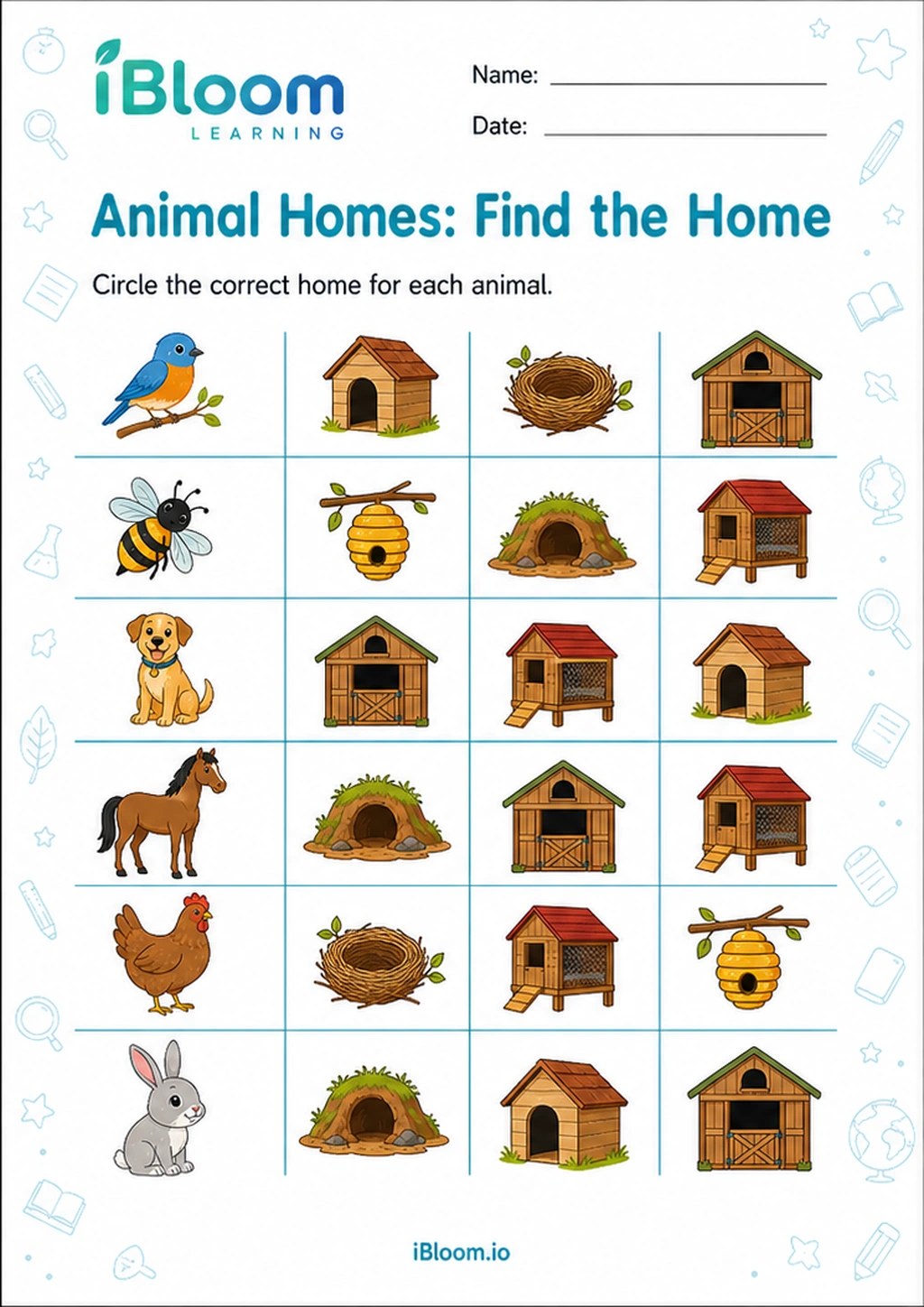 Animal Homes: Find the HomeLKG printable practice for Animal Homes.LKGFree PDF preview
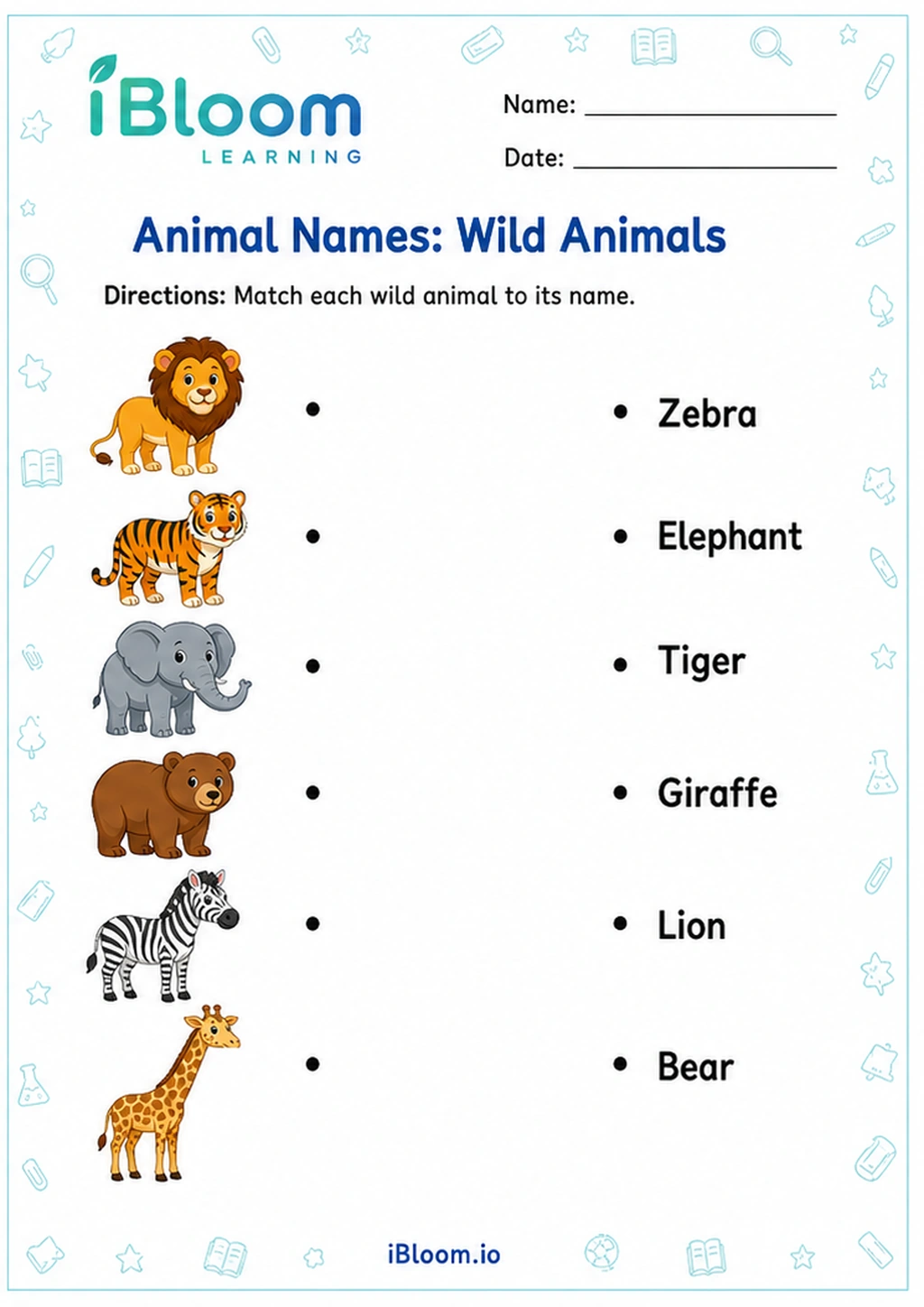 Animal Names: Wild AnimalsLKG printable practice for Animal Names.LKGFree PDF preview
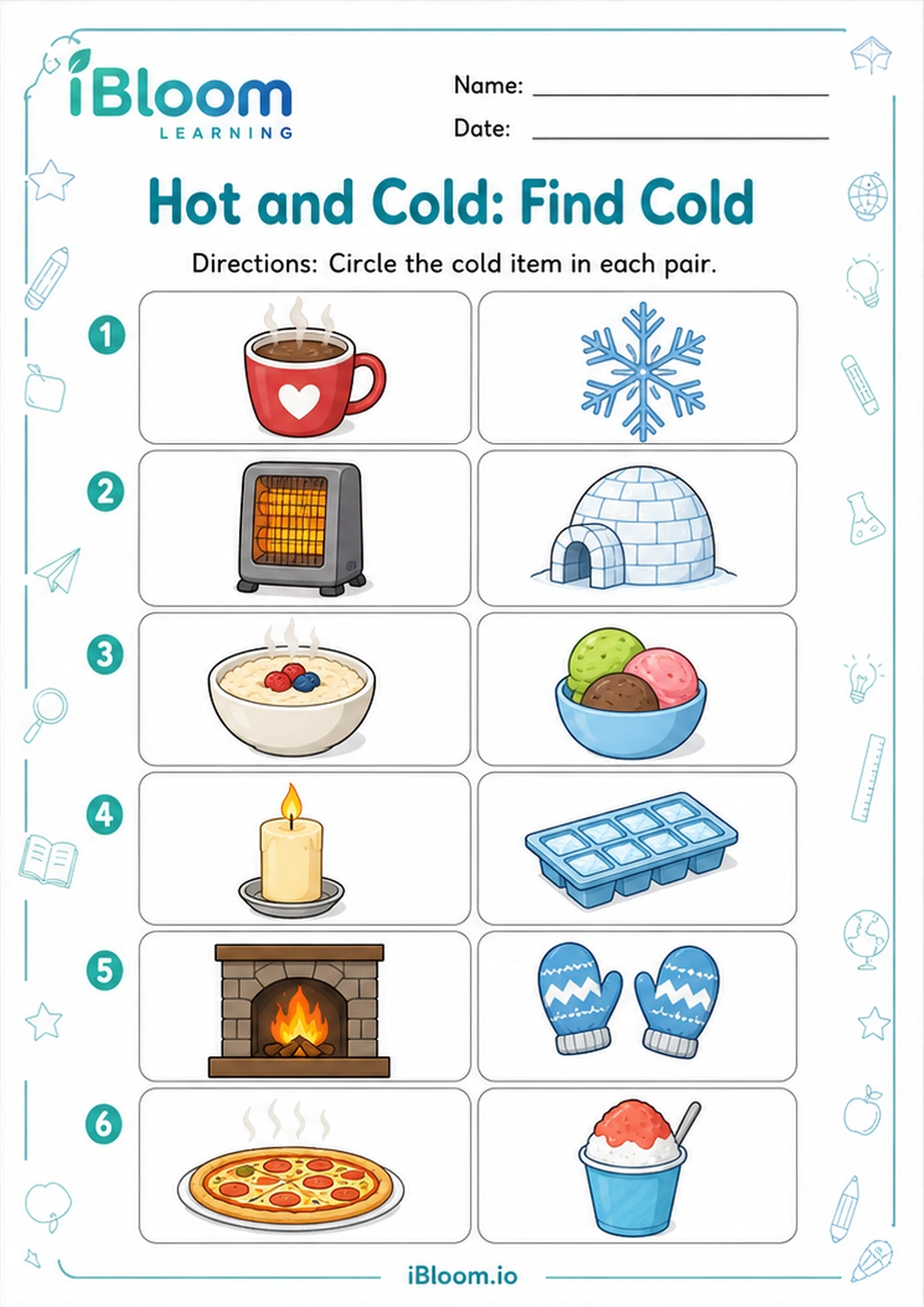 Hot and Cold: Find ColdLKG printable practice for Hot and Cold.LKGFree PDF preview
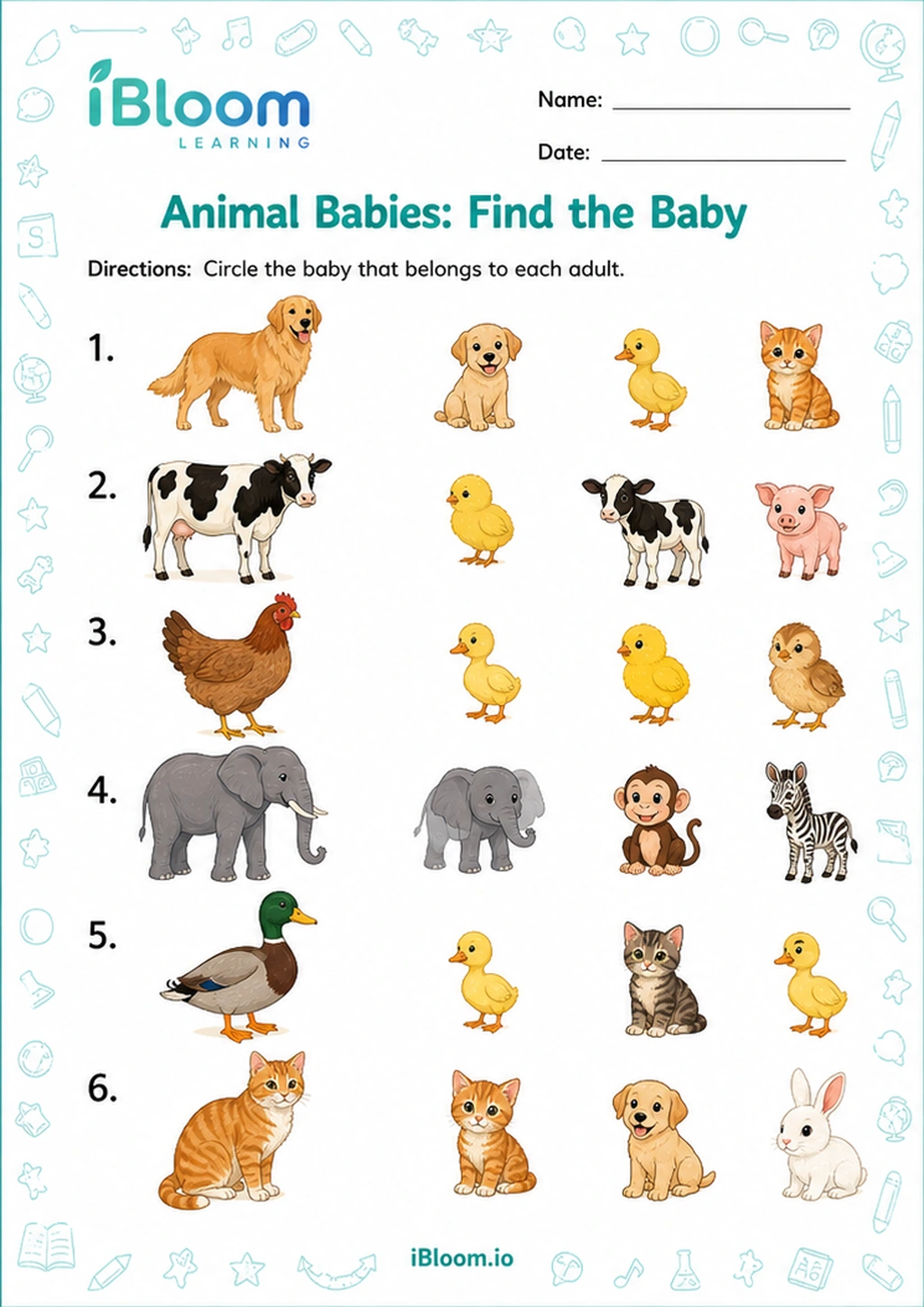 Animal Babies: Find the BabyLKG printable practice for Animal Babies.LKGFree PDF preview
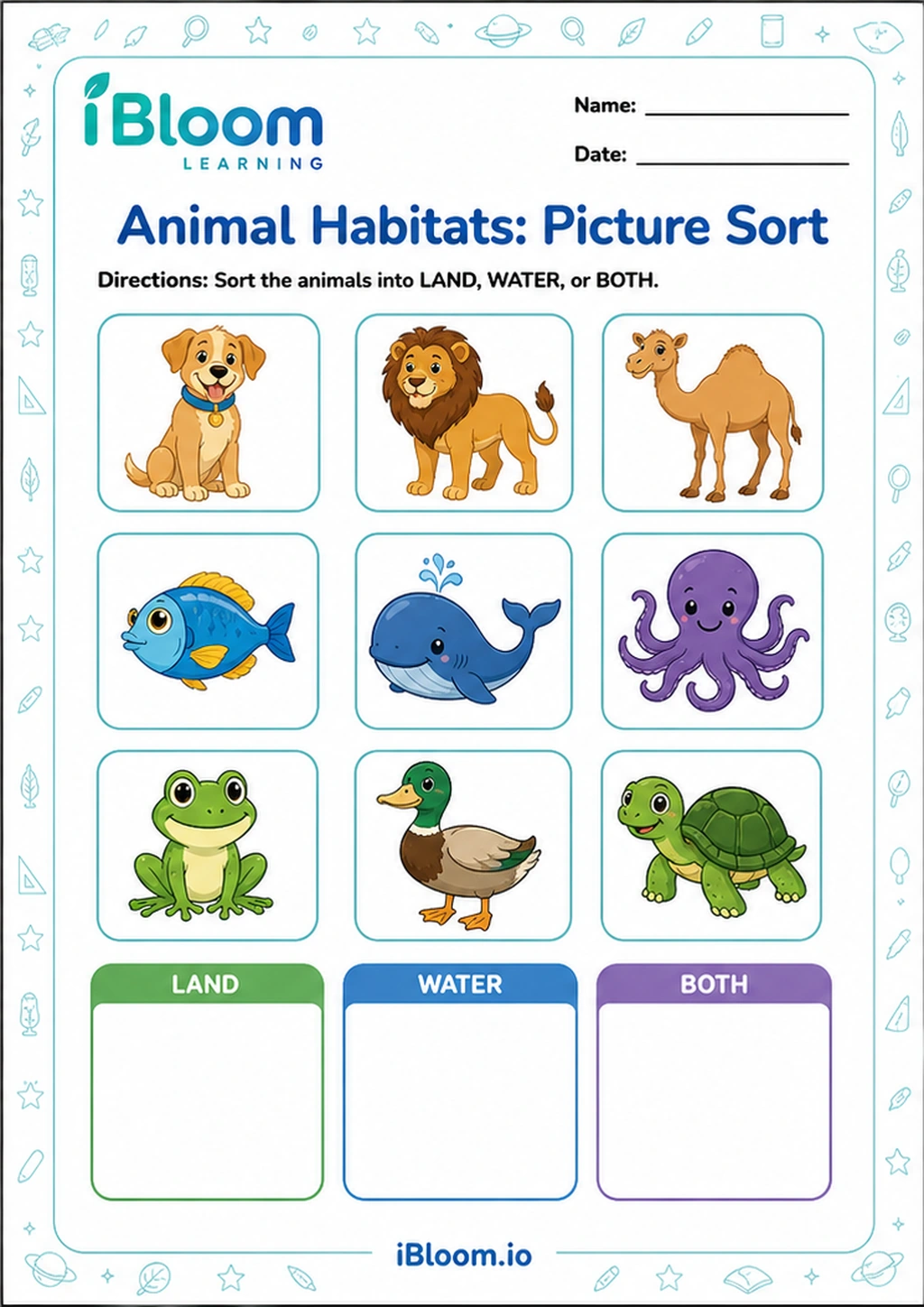 Animal Habitats: Picture SortUKG printable practice for Animal Habitats.UKGFree PDF preview
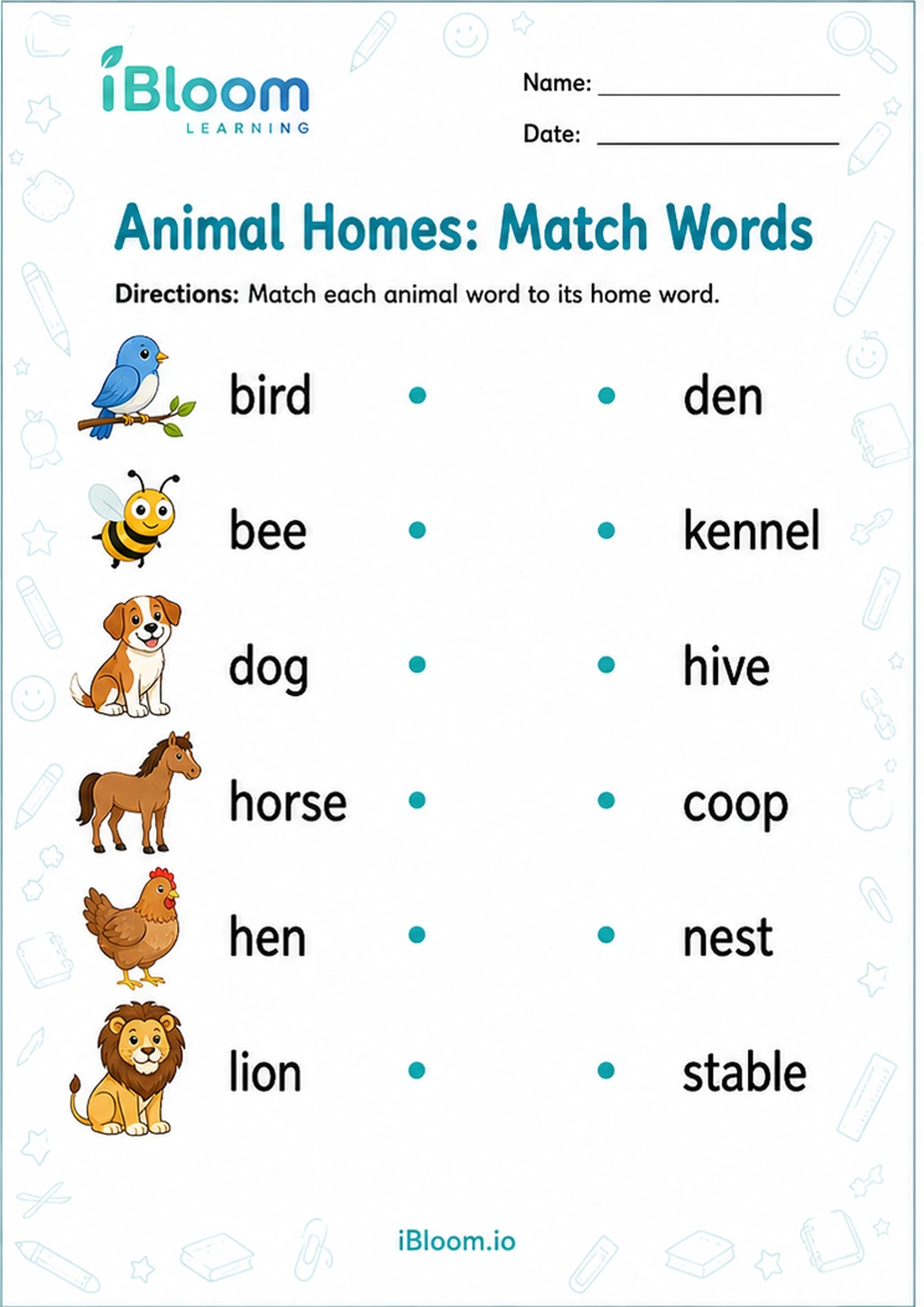 Animal Homes: Match WordsLKG printable practice for Animal Homes.LKGFree PDF preview
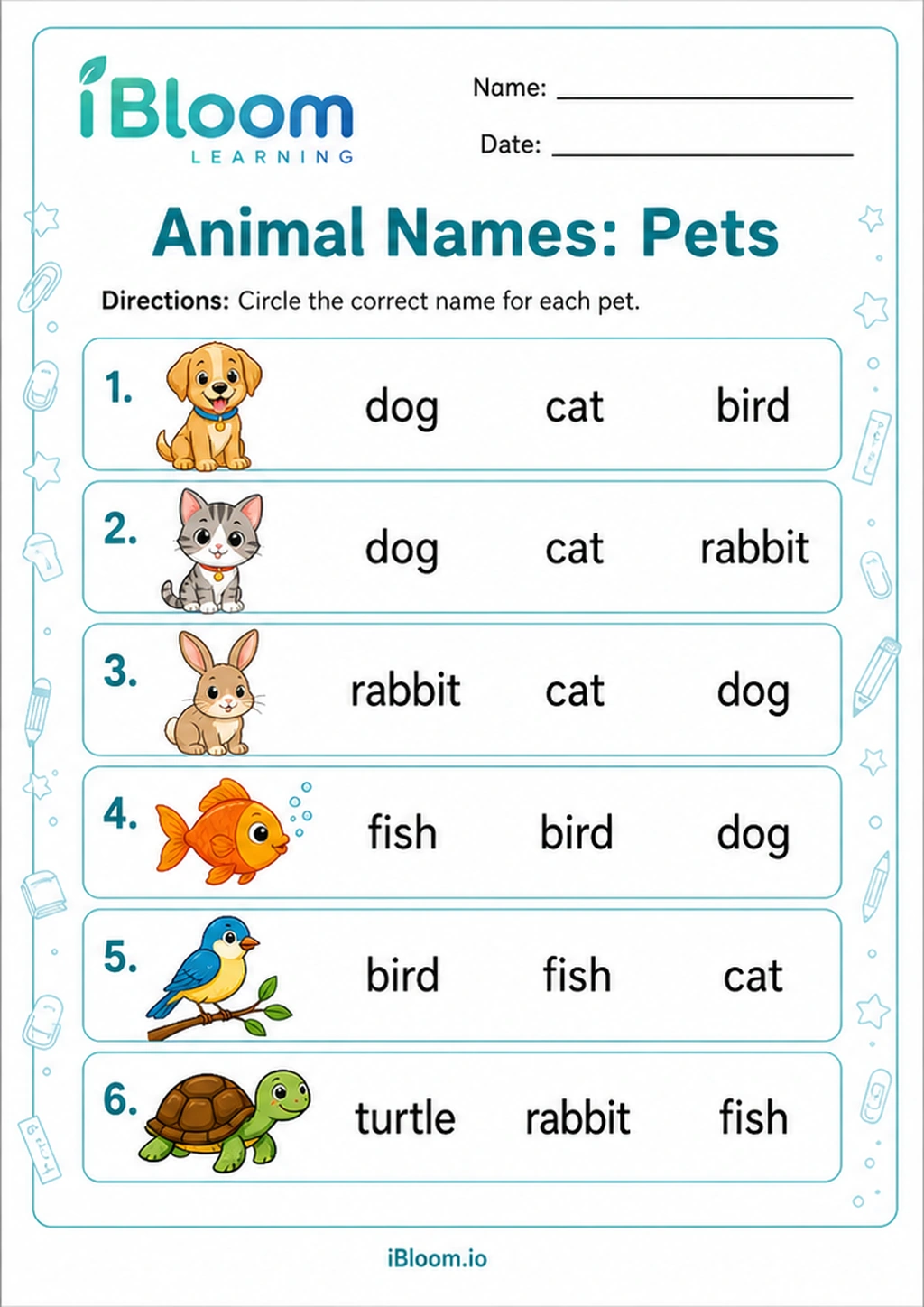 Animal Names: PetsLKG printable practice for Animal Names.LKGFree PDF preview
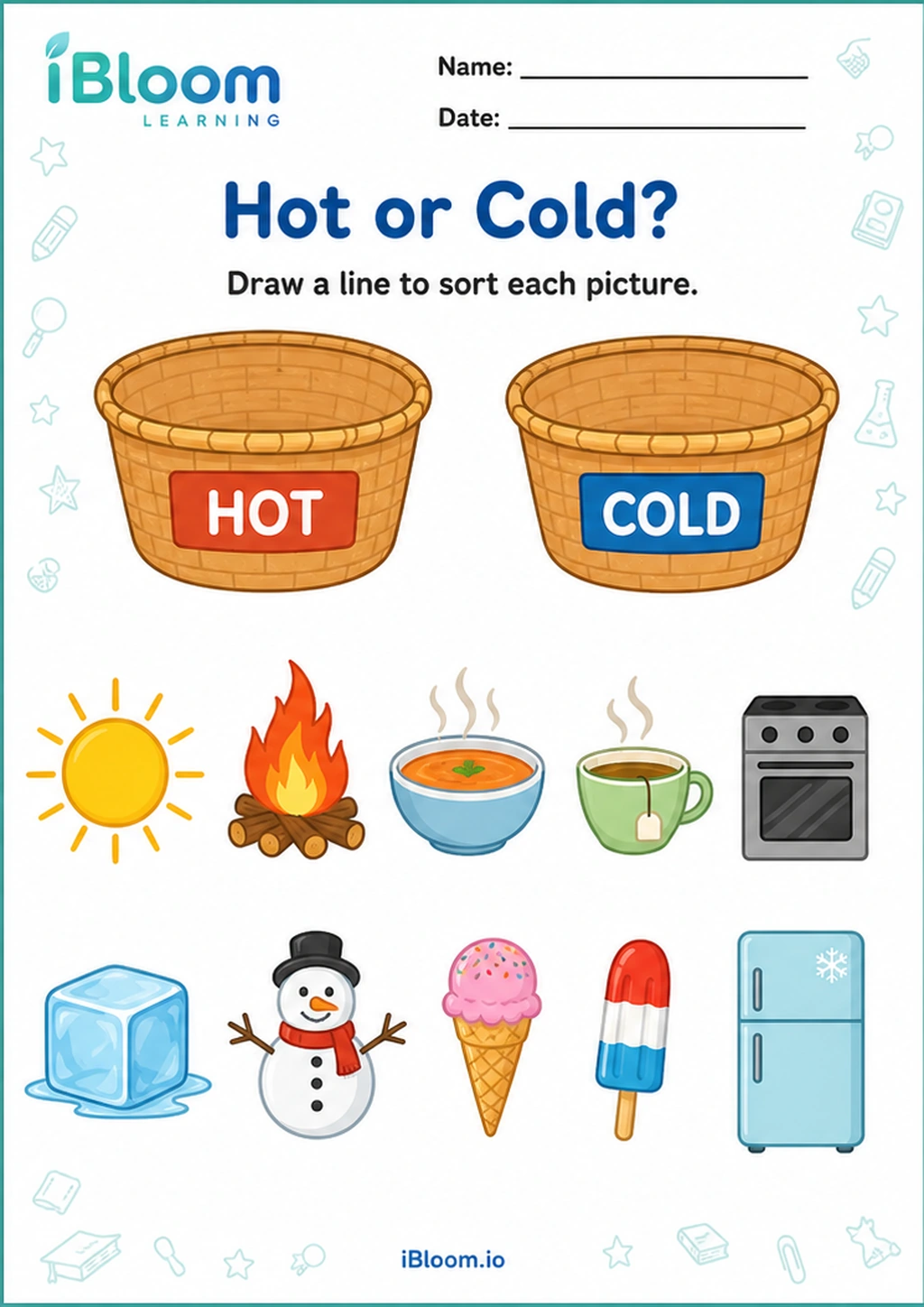 Hot or Cold?LKG printable practice for Hot and Cold.LKGFree PDF preview
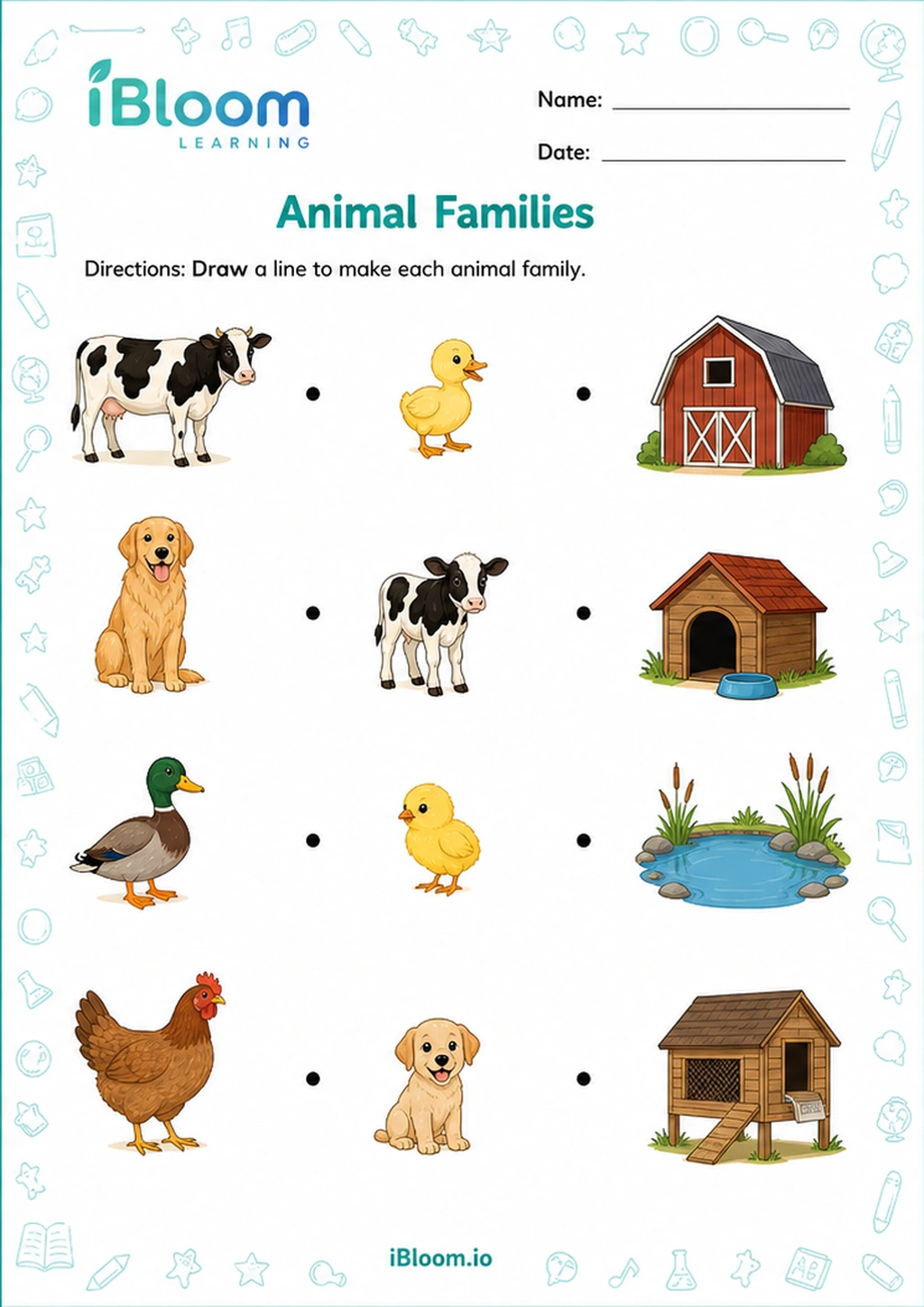 Animal FamiliesLKG printable practice for Animal Babies.LKGFree PDF preview
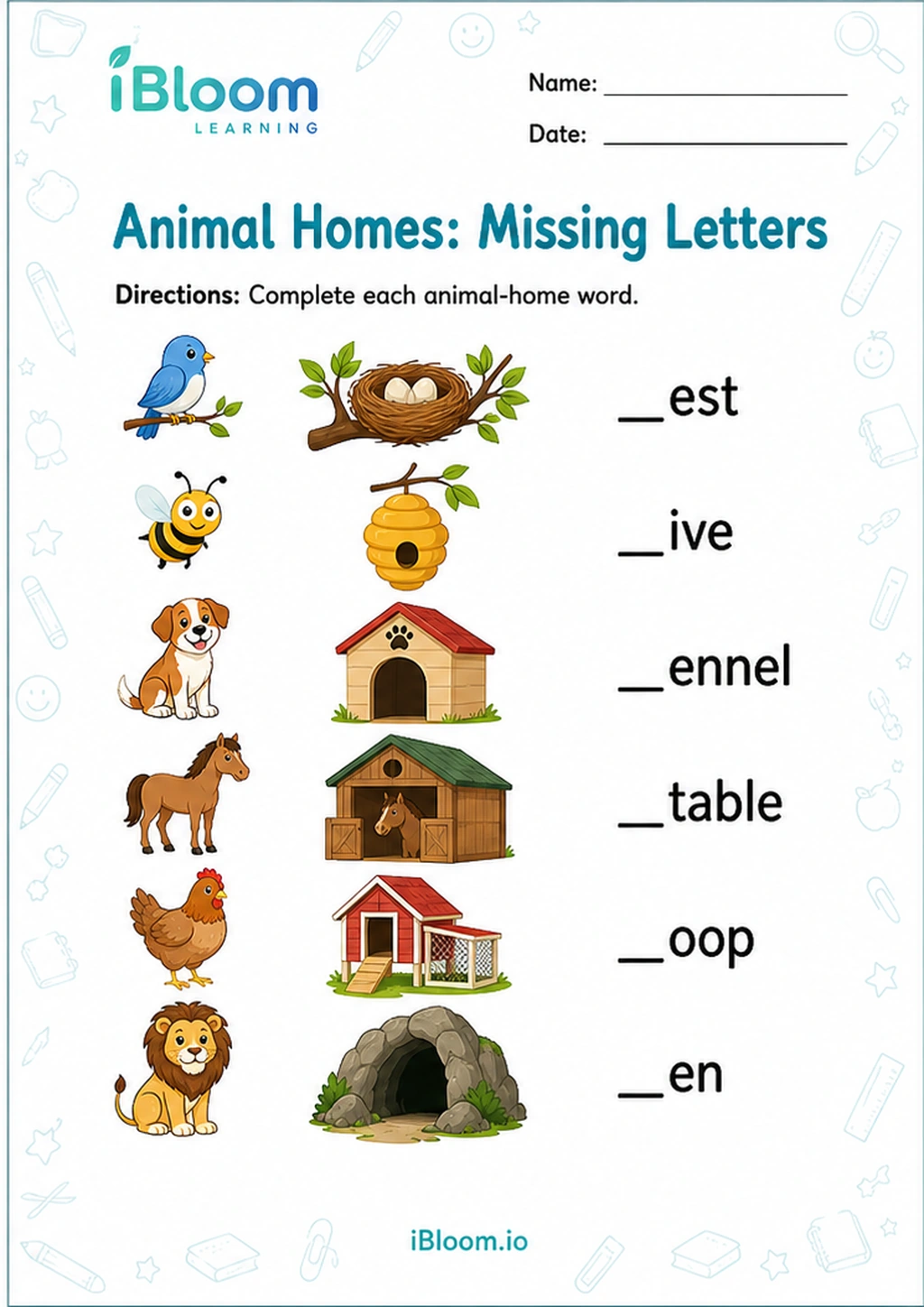 Animal Homes: Missing LettersLKG printable practice for Animal Homes.LKGFree PDF preview
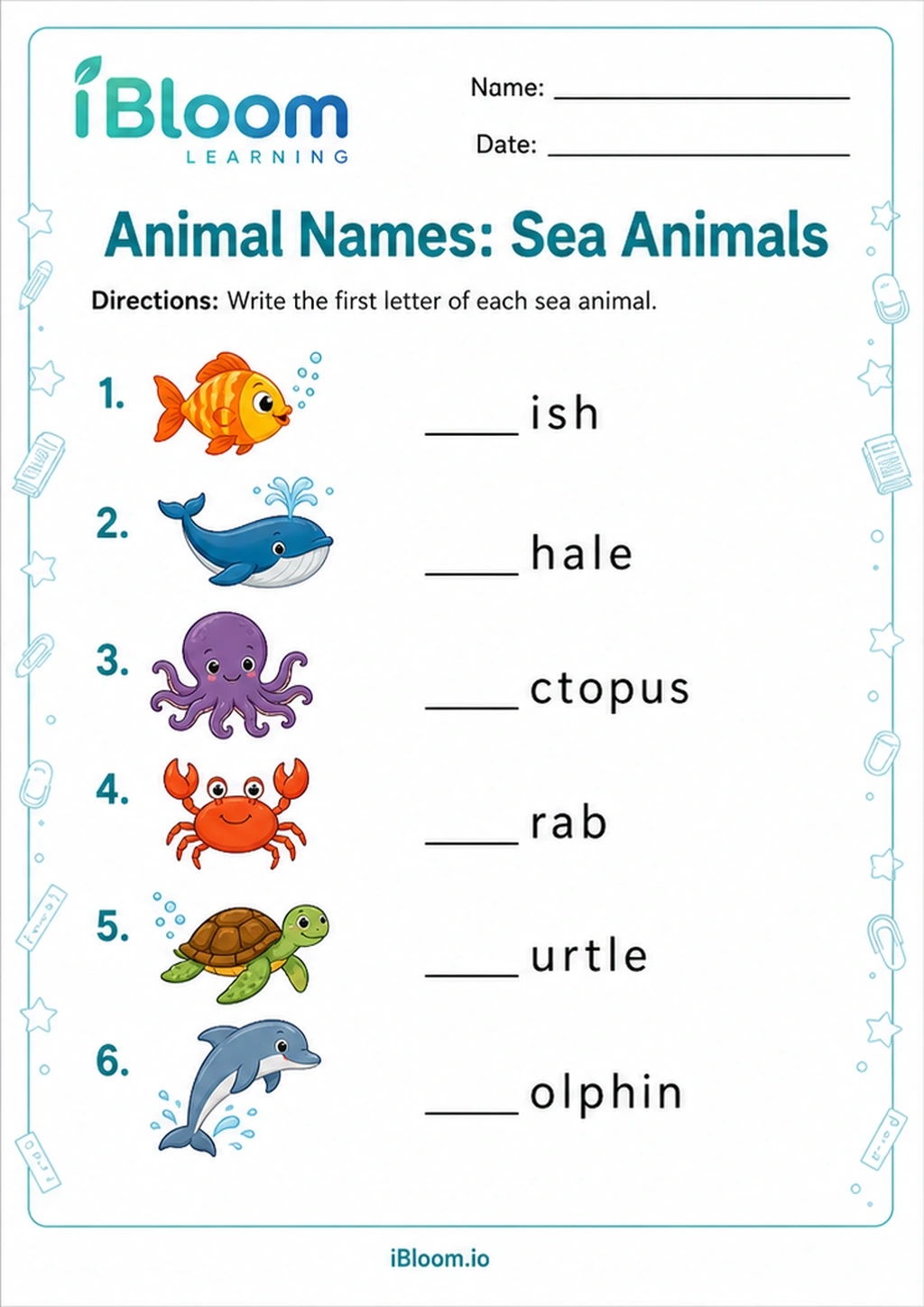 Animal Names: Sea AnimalsLKG printable practice for Animal Names.LKGFree PDF preview
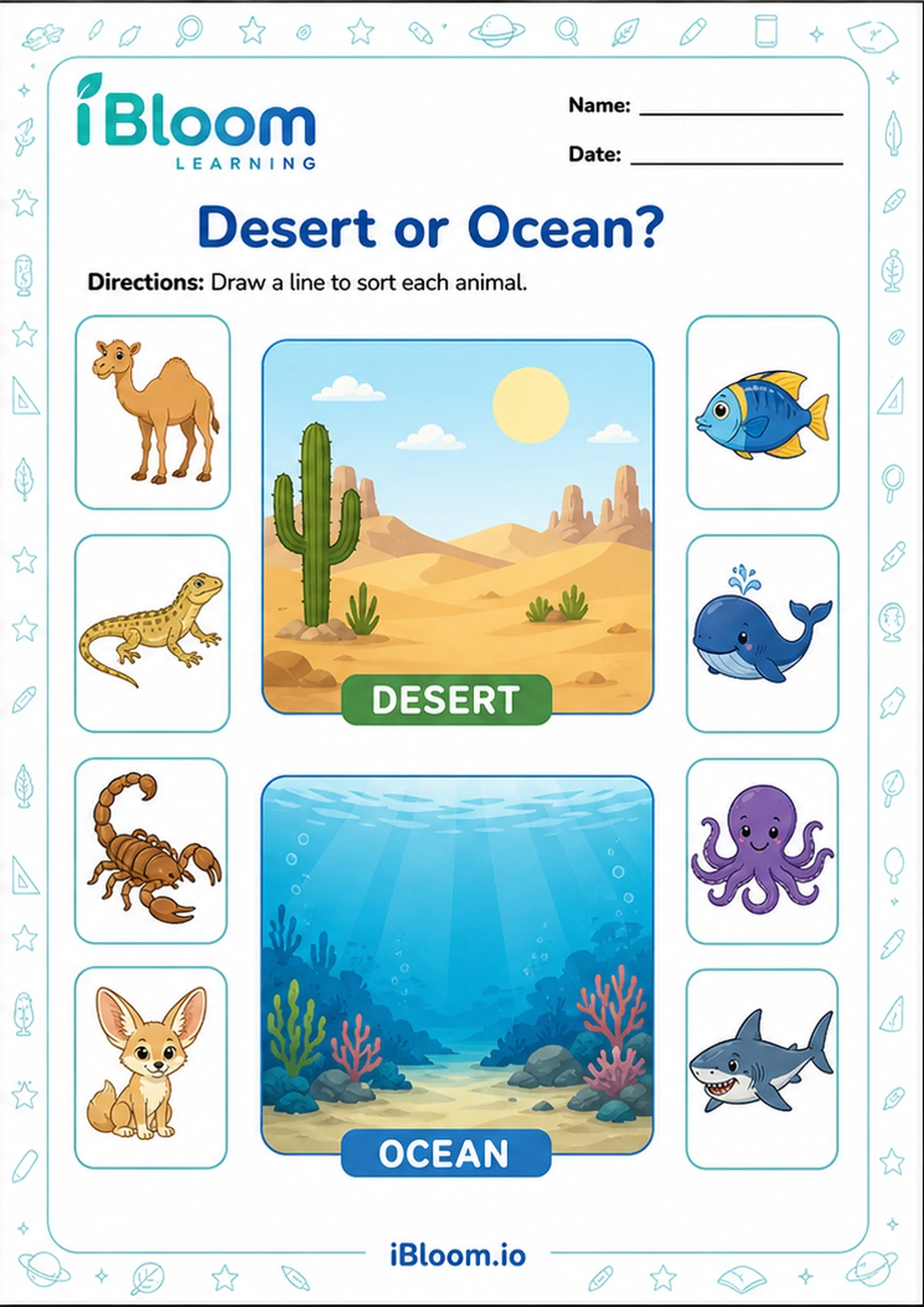 Desert or Ocean?UKG printable practice for Animal Habitats.UKGFree PDF preview
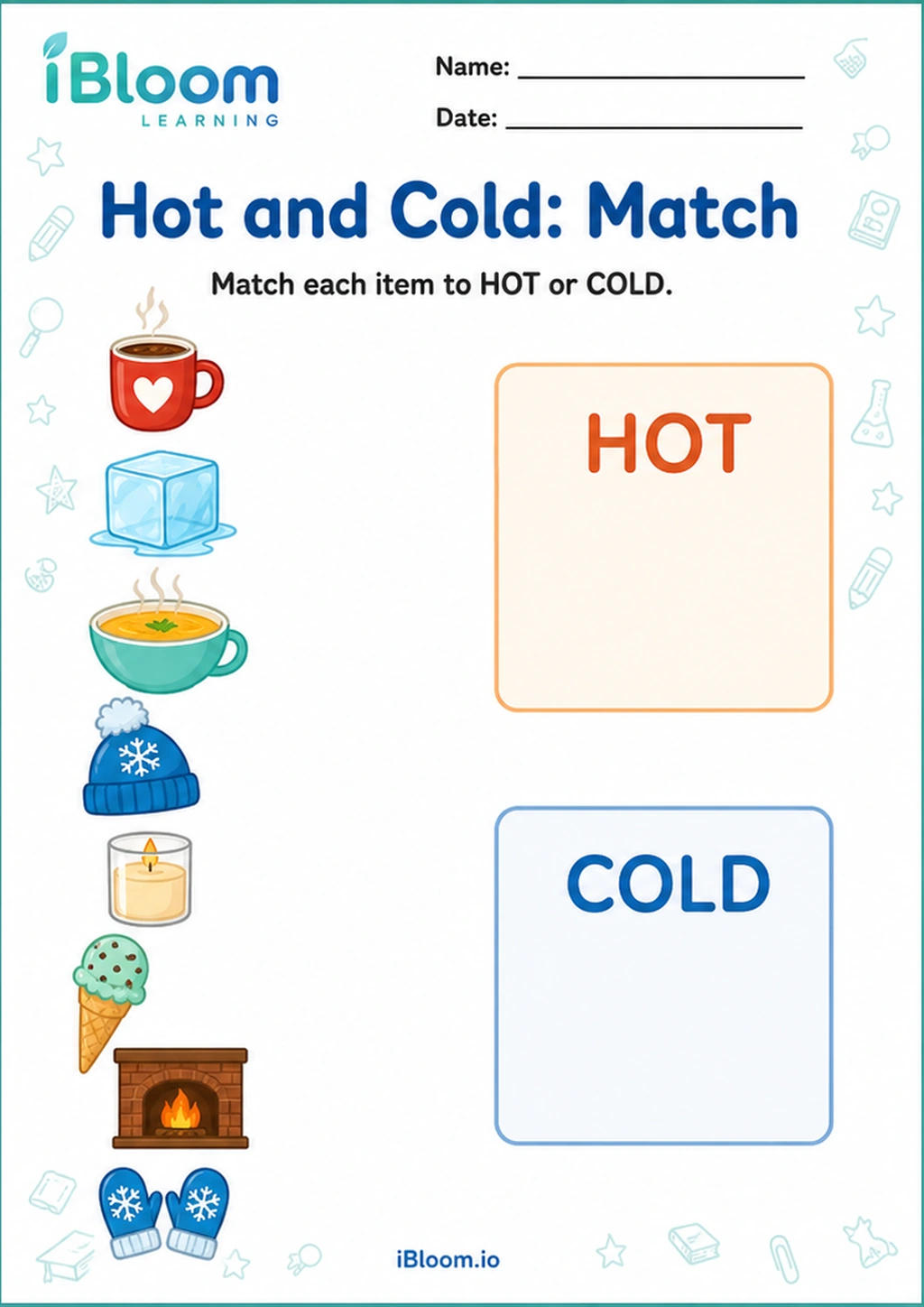 Hot and Cold: MatchLKG printable practice for Hot and Cold.LKGFree PDF preview
Practice that builds confidence
Early science through observation
These Nursery, LKG and UKG science practice activities help young children observe, name, sort and talk about the world around them. Children practise early concepts from the human body, forces, environment, food nutrition, energy, weather and seasons, plants and animals.
The printable worksheets include child-friendly matching, colouring, circling, tracing, labelling and picture-based questions. Each activity is designed to build curiosity, vocabulary and careful noticing without making science feel too abstract.
At this stage, science begins with looking closely and saying what we notice. Worksheets may ask children to identify body parts, match animals to their babies, sort healthy and less healthy foods, recognise rainy or sunny weather, and choose objects that need energy. The focus is not memorising long facts, but building clear words such as push, pull, living, non-living, clean, dirty, hot, cold, plant, root, leaf and season.

How the practice progresses
Activities move from simple picture recognition to sorting and explaining. A Nursery child may colour a fruit or circle a body part. An LKG child may match clothes to seasons or identify animals that live on land and in water. A UKG child may compare plants and animals, notice sources of light or heat, and choose actions that keep the environment clean. This gradual movement helps children connect science to home, school, food, play and nature.
A simple parent routine
Choose one worksheet and begin with a real object or daily example. Before a food nutrition page, show a fruit, a roti or a glass of milk and ask, “What do we eat? What helps us grow?” For weather and seasons, look outside first. Let your child answer orally, then complete the worksheet. End by asking one small reason: “Why do we use an umbrella?” or “What happens when we push the ball?”

Classroom use for teachers
Teachers can use these printables in science corners, morning conversation, EVS readiness lessons, group sorting tasks or revision folders. Picture-based pages are useful for mixed-ability classes because children can respond by pointing, colouring, matching or speaking before writing. They also support theme-based teaching such as myself, my food, my environment, plants around us and animals.

Common errors to watch for
Young learners may call every small creature an insect, mix up weather and season, think only humans need food, or confuse pushing with pulling. Some children also identify food by taste instead of nutrition, or assume all plants are the same because they are green. Gently correct using real examples: “A fan moves because it uses energy,” “We pull a drawer to open it,” or “A seed can grow into a plant.”
Free printable PDF download
Use this Nursery LKG UKG science worksheet page to preview the activity, print it, or download it as a PDF for quick practice. It works well for homework, homeschool lessons, tutoring, morning work, revision, and classroom centers.
Answers and answer key support
After the child completes the worksheet independently, parents and teachers can use the answer support or answer key information to check the work, review mistakes, and choose the next practice step.
Why iBloom worksheets help
iBloom worksheets keep early science concrete, visual and age-appropriate for Nursery, LKG and UKG. The activities give children repeated chances to observe, compare and name things from everyday life. A child-friendly strategy is: look, say, choose, then tell why. This simple pattern helps children slow down, notice details and build confidence in science.
Helpful answers
Frequently asked questions
What science topics are included for Nursery, LKG and UKG?
The collection covers the human body, forces, environment, food nutrition, energy, weather and seasons, and plants and animals through simple picture-based activities.
Are these worksheets suitable for children who cannot read yet?
Yes. Many activities use pictures, matching, circling, colouring and oral discussion, so children can practise science ideas even before they read full sentences.
How can I use these science worksheets at home?
Start with a real-life example, such as a fruit, a plant, a toy car or the day’s weather. Talk about it briefly, complete the worksheet, then ask your child to explain one answer.
Do these worksheets teach science or EVS?
They support early science and EVS readiness by helping children observe their body, food, surroundings, nature, weather, energy and simple forces in everyday life.
What should I do if my child gives a wrong answer?
Use a gentle comparison instead of only correcting. For example, act out pushing and pulling, show clean and dirty surroundings, or compare two foods and ask what each one does for the body.
Is this Nursery LKG UKG science worksheet free?
Yes. You can preview it for free and use the printable worksheet for home or classroom practice.
Can I download this Nursery LKG UKG science worksheet as a PDF?
Yes. Use the worksheet download option to save a printable PDF, or print the worksheet directly from the page.
Does this Nursery LKG UKG science worksheet include answers or an answer key?
When the activity has fixed answers, iBloom includes answer support so parents and teachers can check the completed worksheet.