



About this worksheet
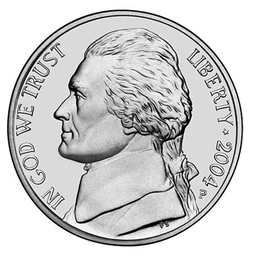
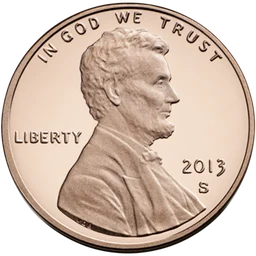
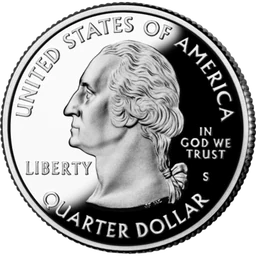
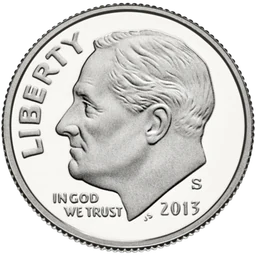
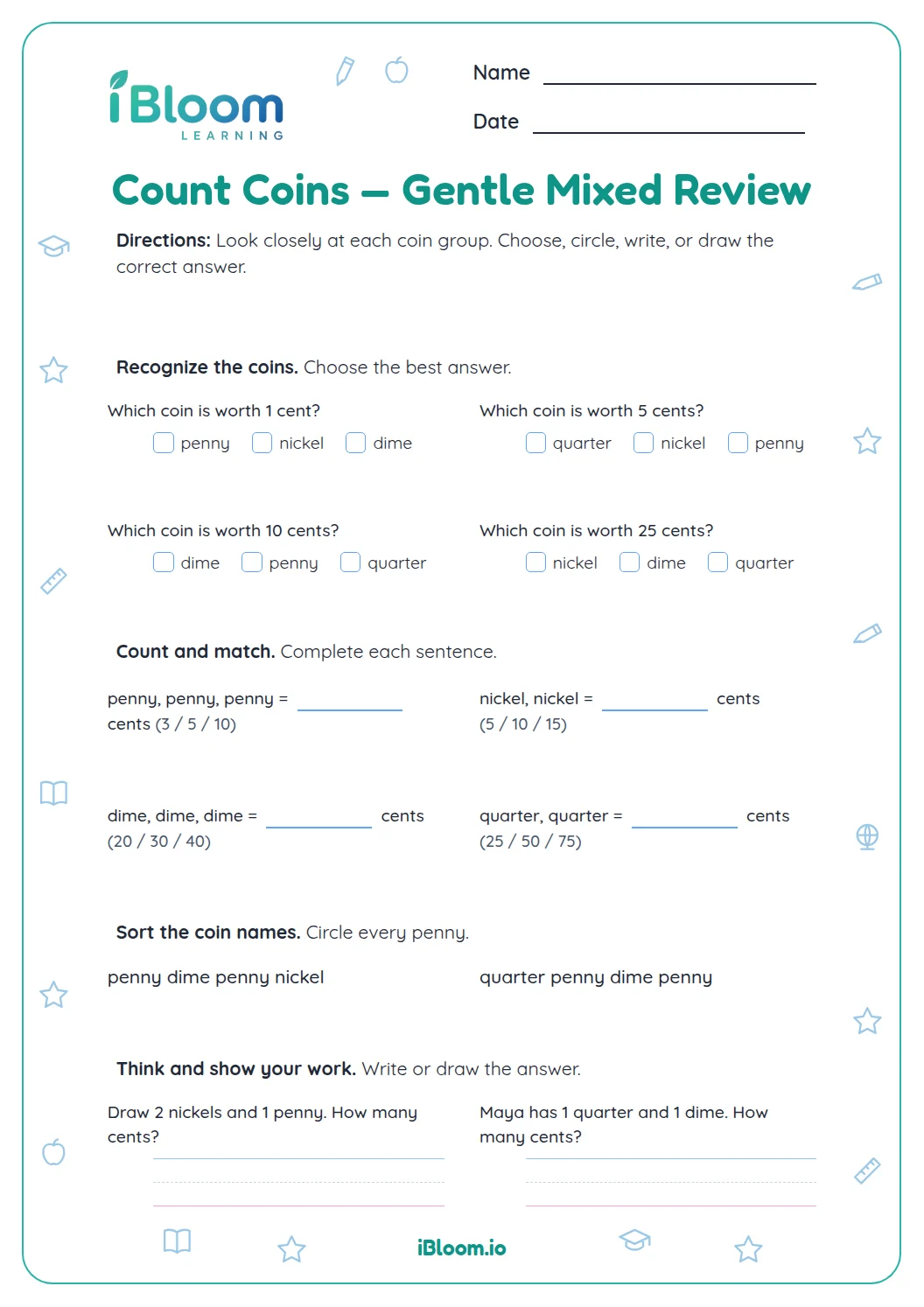
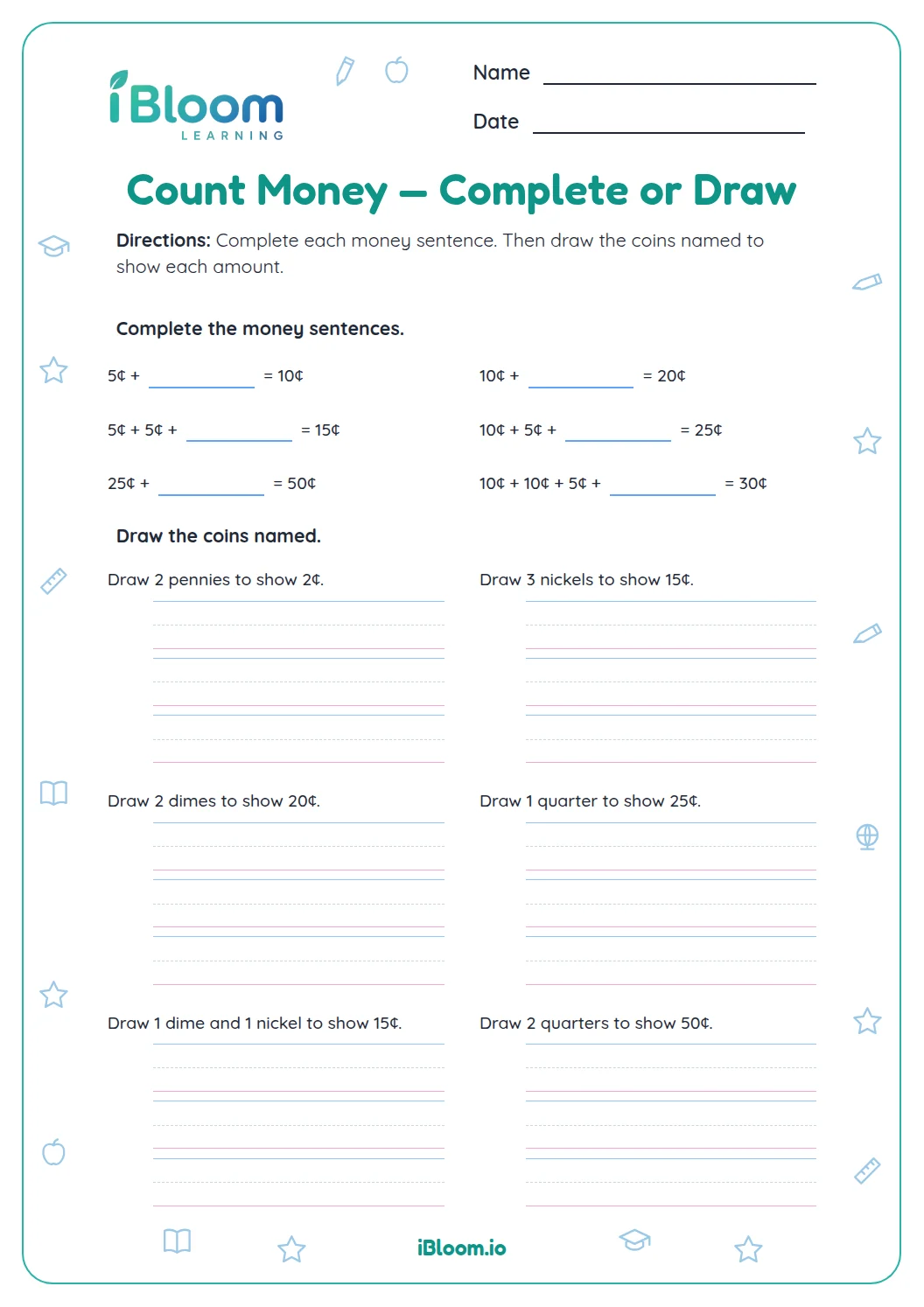
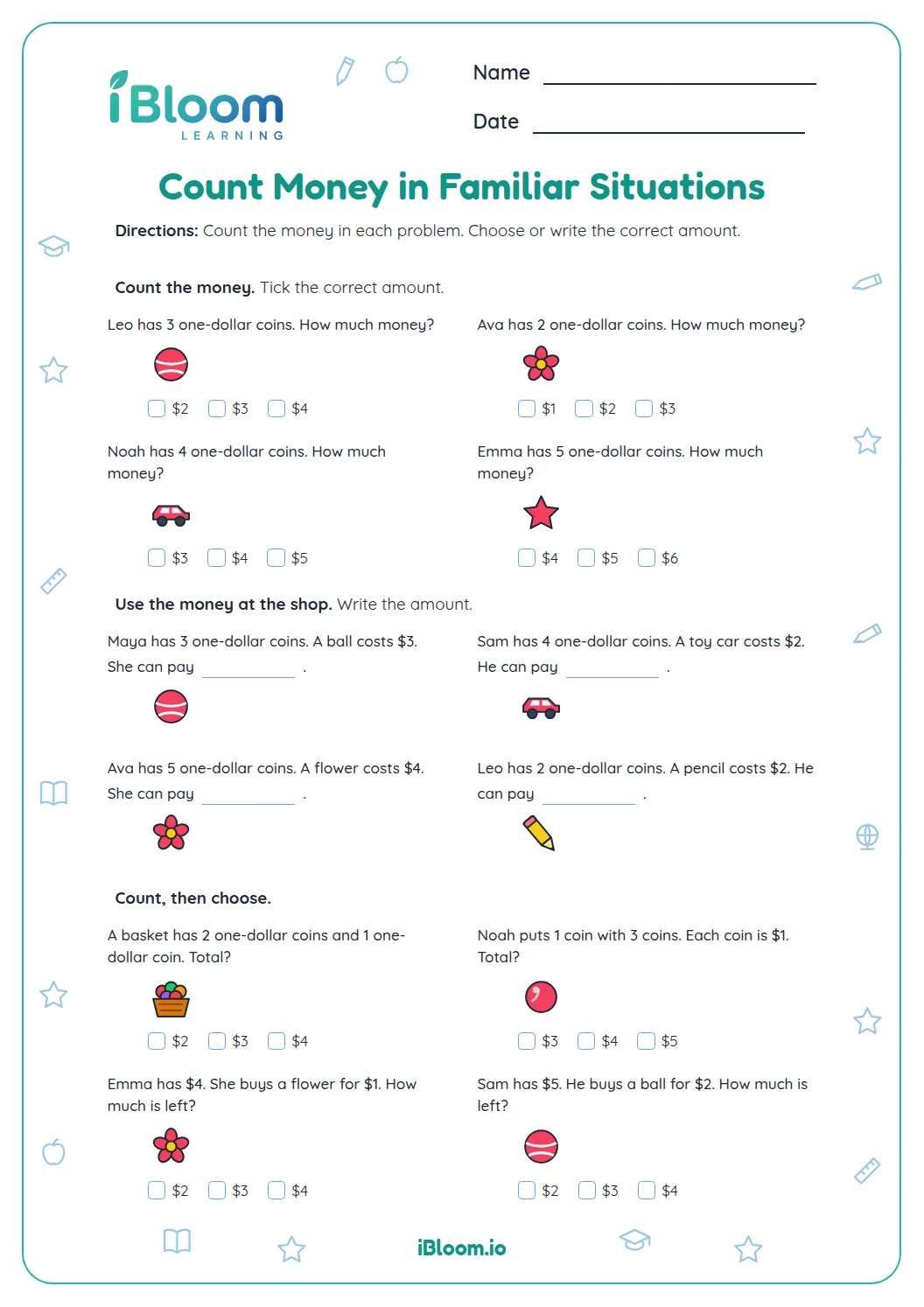
This free printable worksheet helps Pre-K and Kindergarten children learn the names of the four US coins: penny, nickel, dime and quarter. The coins are real photos, shown in the real order of their sizes, so children see exactly what is in a pocket or piggy bank. Part A asks which coin in a row is a named coin: left, middle or right. Part B asks children to name a coin from a clue such as bigger, smaller, brown or middle-size. The sheet has 11 questions on 2 pages, with a 2-page answer key. It does not use coin values or ask children to count money.
How can children tell the four coins apart?
The penny is the only brown coin, which makes it the easiest to learn first. The other three are silver, so size is the clue: the dime is the smallest, the quarter is the biggest, and the nickel is in the middle. The coin photos keep this order of sizes.
Real coins give more clues. The dime and the quarter have ridged edges, while the penny and the nickel have smooth edges, and the photos show the ridges too. Having real coins on the table next to the sheet makes the lesson stick.
- 1Three silver coins are in a row: one big, one small, one in between.
- 2Which is the middle-size coin?
- 3The big one is the quarter and the small one is the dime.
- 4Answer: nickel
What is on the two parts of the sheet?
Part A shows a row of three coins and asks which one is the penny, the dime, the quarter or the nickel. Children answer with left, middle or right, so they use position as well as the coin's looks. The six questions cover each coin at least once, and the nickel and the quarter twice.
Part B asks children to give a coin's name. Question 7 asks for the bigger of a nickel and a quarter, and question 8 for the smaller of a dime and a nickel. Question 9 shows one brown coin. Questions 10 and 11 pick the biggest and the middle-size coin from rows of three.
- Questions 1 to 6: choose left, middle or right for a named coin
- Questions 7 and 8: name the bigger or smaller of two coins
- Question 9: name the brown coin
- Questions 10 and 11: name the biggest and the middle-size coin
Why are there no coin values on the sheet?
Naming a coin and knowing what it is worth are two separate steps, and this sheet keeps to the first one: names only. It uses no cent signs and asks for no counting or adding of money.
Size can also mislead when values come in. A dime is smaller than a nickel but worth more, so it helps to settle the names first. The Value of Coins worksheets linked below cover what each coin is worth.
How to use this worksheet at home or in class
- 1Put a penny, a nickel, a dime and a quarter on the table if you have them, and say each name as your child touches it.
- 2Point out one clue for each coin: brown, smallest, biggest, and middle.
- 3Read question 1 aloud and ask your child to find the penny. Then ask whether it is on the left, in the middle or on the right.
- 4Let your child do the rest of Part A, touching each coin before choosing.
- 5Read Part B aloud, one question at a time, and let your child say the answer before filling in the bubble.
- 6Check with the answer key, then ask your child to name each real coin again with the sheet put away.
Common mistakes and quick fixes
The mistake
Expecting the dime to be bigger than the nickel because it is worth more, and answering nickel for the smaller coin in question 8.
The fix
Say that size and worth do not go together for coins: the dime is small but worth more than the nickel. Today we name coins by how they look. Compare the real coins side by side.
The mistake
Mixing up the nickel and the quarter, the two bigger silver coins, in question 10 or 11.
The fix
Lay the two side by side and ask which is wider. The quarter is the biggest coin. Then use the size order, small to big: dime, nickel, quarter.
The mistake
Mixing up left and right in Part A and choosing the wrong side even though the child found the right coin.
The fix
Have your child put a finger on the coin and say first, second or third. Then match that to left, middle or right. A small dot on the left hand can help.
What to practice next
Make more practice
Questions parents and teachers ask
What are the answers to the names of coins worksheet?
Part A: 1 middle, 2 left, 3 right, 4 left, 5 middle, 6 right. Part B: 7 quarter, 8 dime, 9 penny, 10 quarter, 11 nickel. Each answer follows from the coins' size and color: the penny is brown, the dime is the smallest, the quarter is the biggest and the nickel is the middle silver coin.
Are the coins on the sheet real coins?
Yes. Every coin is a photo of a real US coin from the United States Mint, shown at its true size compared with the others: the copper penny with Lincoln, the nickel with Jefferson, the small dime with Roosevelt and the large quarter with Washington. Children can check their answers against coins from a purse or a piggy bank.
How can I tell the nickel and the dime apart on the sheet?
Compare their sizes and edges. The nickel is larger and has a smooth edge, while the dime is smaller and has a ridged edge. The sheet always shows them in the real size order. If a child is unsure, place a real nickel and dime together and look at the difference.
Is this worksheet right for a 3-year-old?
It suits most 4- to 6-year-olds, and younger children can try it with an adult reading each question aloud. A 3-year-old may only be ready to find the brown penny, so start with questions 1 and 9 and come back to the rest once your child can sort real coins by size.
Why does the sheet use left, middle and right?
They let a child show which coin they found without writing its name. An adult reads the question and the three choices aloud, the child points to the coin, then fills in left, middle or right. If left and right are still new, say first, second or third while pointing.
How long does the worksheet take?
Most children finish in about 15 minutes. Part A moves quickly once a child knows the clues, and Part B takes a little more thought. Spread the sheet over two short sittings, one page each, if your child gets tired. It works well after sorting real coins by size and color.