Free printable practice
Exercises Practice Activities
Printable preschool and kindergarten reading comprehension exercises for sequencing, characters, setting, prediction, cause and effect, and more.
Explore Exercises
Free printable worksheet PDFs
Preview every available page, then download the free worksheet PDF for home, homeschool, tutoring, or classroom practice.
Preview the exact activity before downloading it.
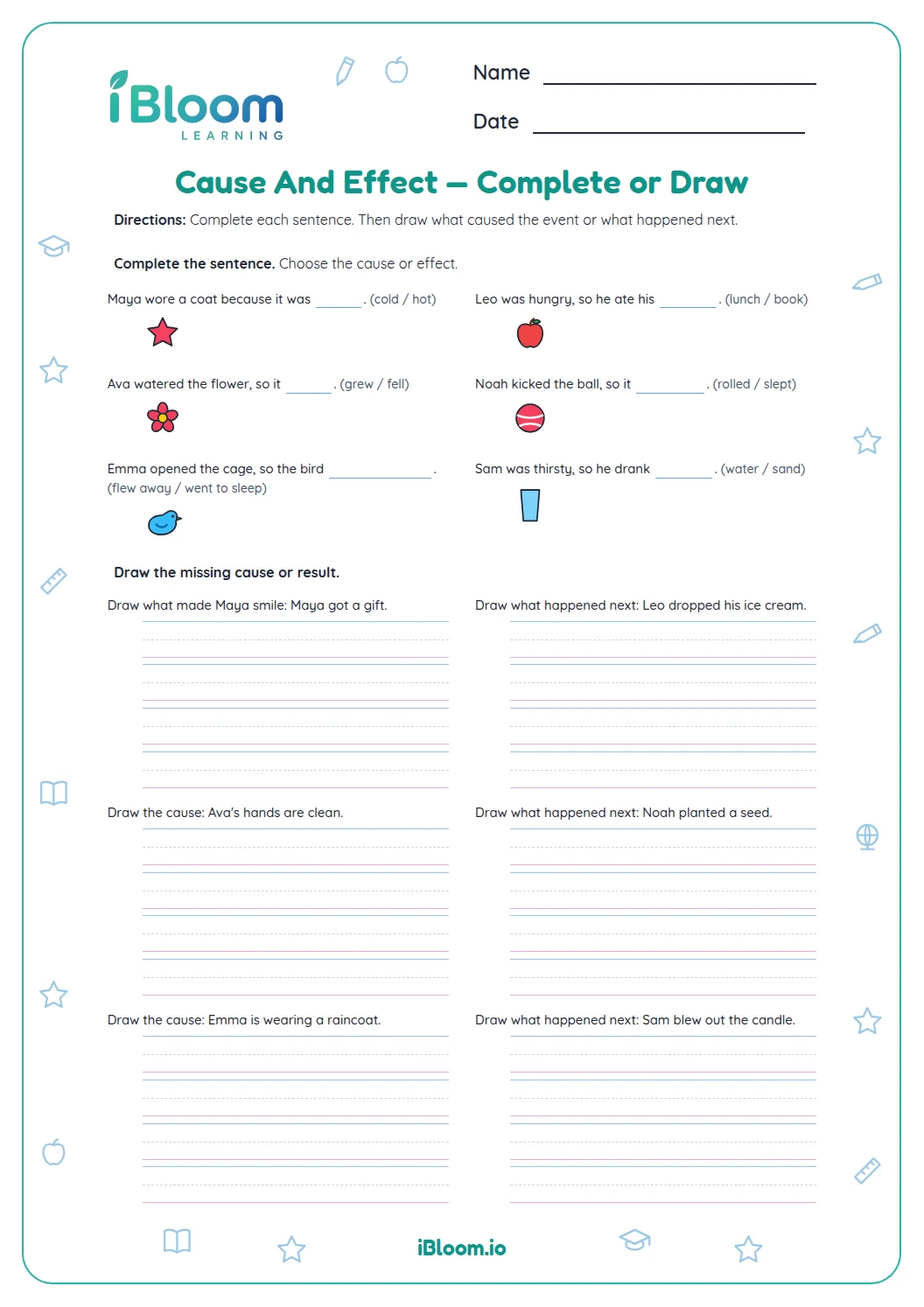 Cause And Effect — Complete or DrawPrintable preschool and kindergarten activities that help children connect events, reasons, and results in simple reading situations. This complete or draw worksheet provides a distinct, age-appropriate way to practise the same lesson.Preschool, KindergartenFree PDF preview
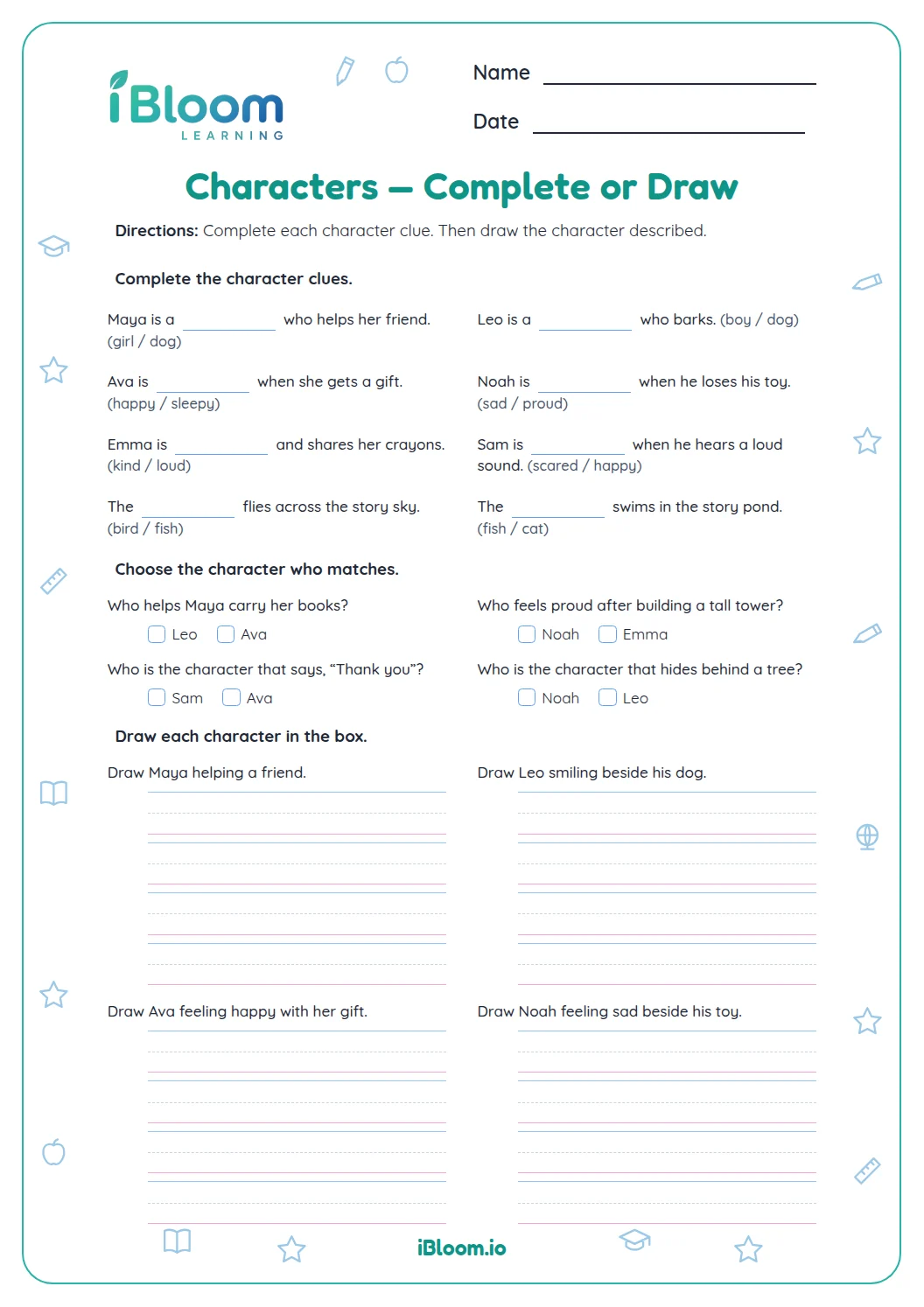 Characters — Complete or DrawPrintable preschool and kindergarten character worksheets help children identify who is in a story and connect each character to simple actions, traits, and feelings. This complete or draw worksheet provides a distinct, age-appropriate way to practise the same lesson.Preschool, KindergartenFree PDF preview
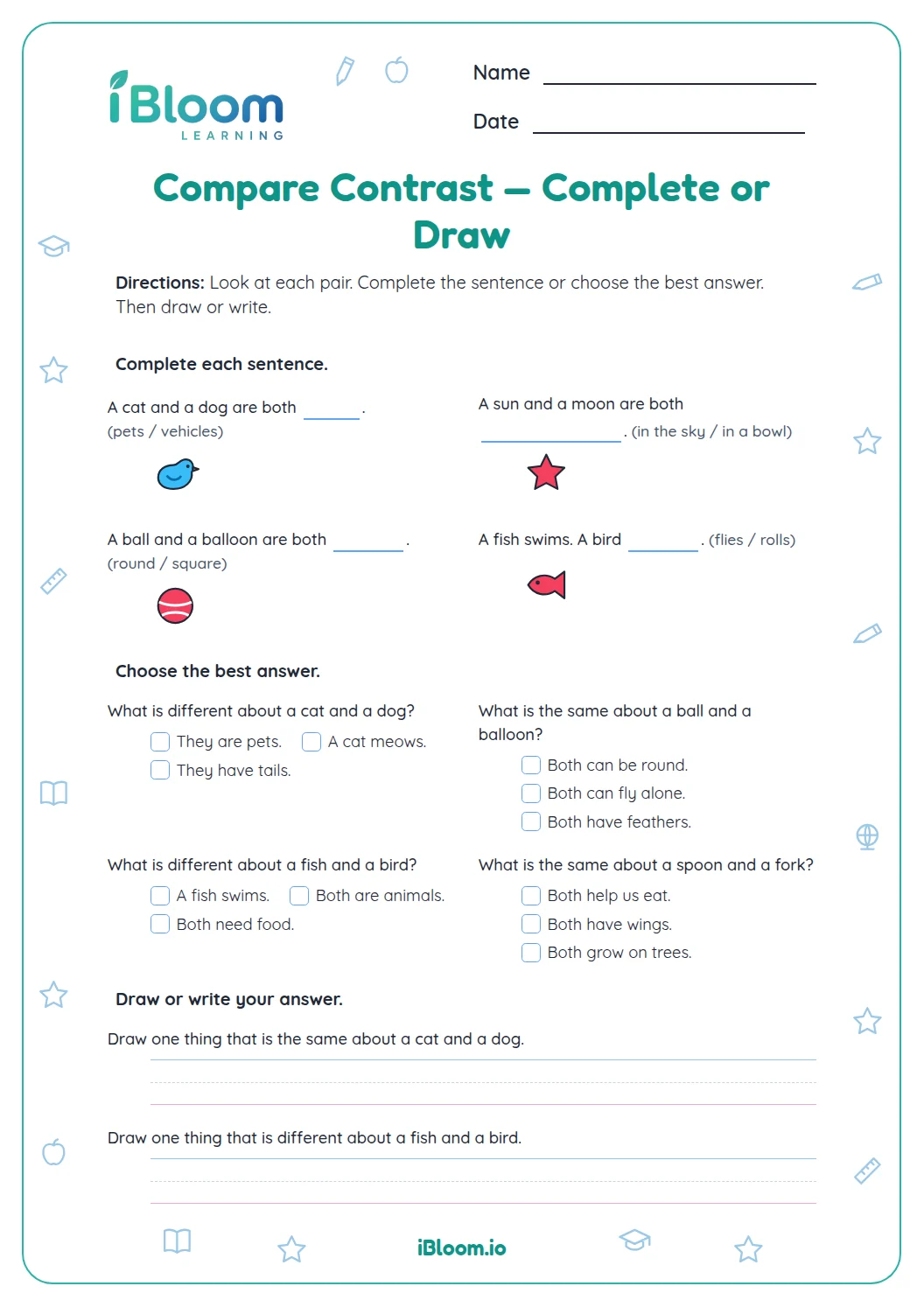 Compare Contrast — Complete or DrawExplore compare contrast practice activities within Exercises Practice Activities, organised so children, families, and elementary teachers can move from broad learning areas to focused printable practice. This complete or draw worksheet provides a distinct, age-appropriate way to practise the same lesson.Preschool, KindergartenFree PDF preview
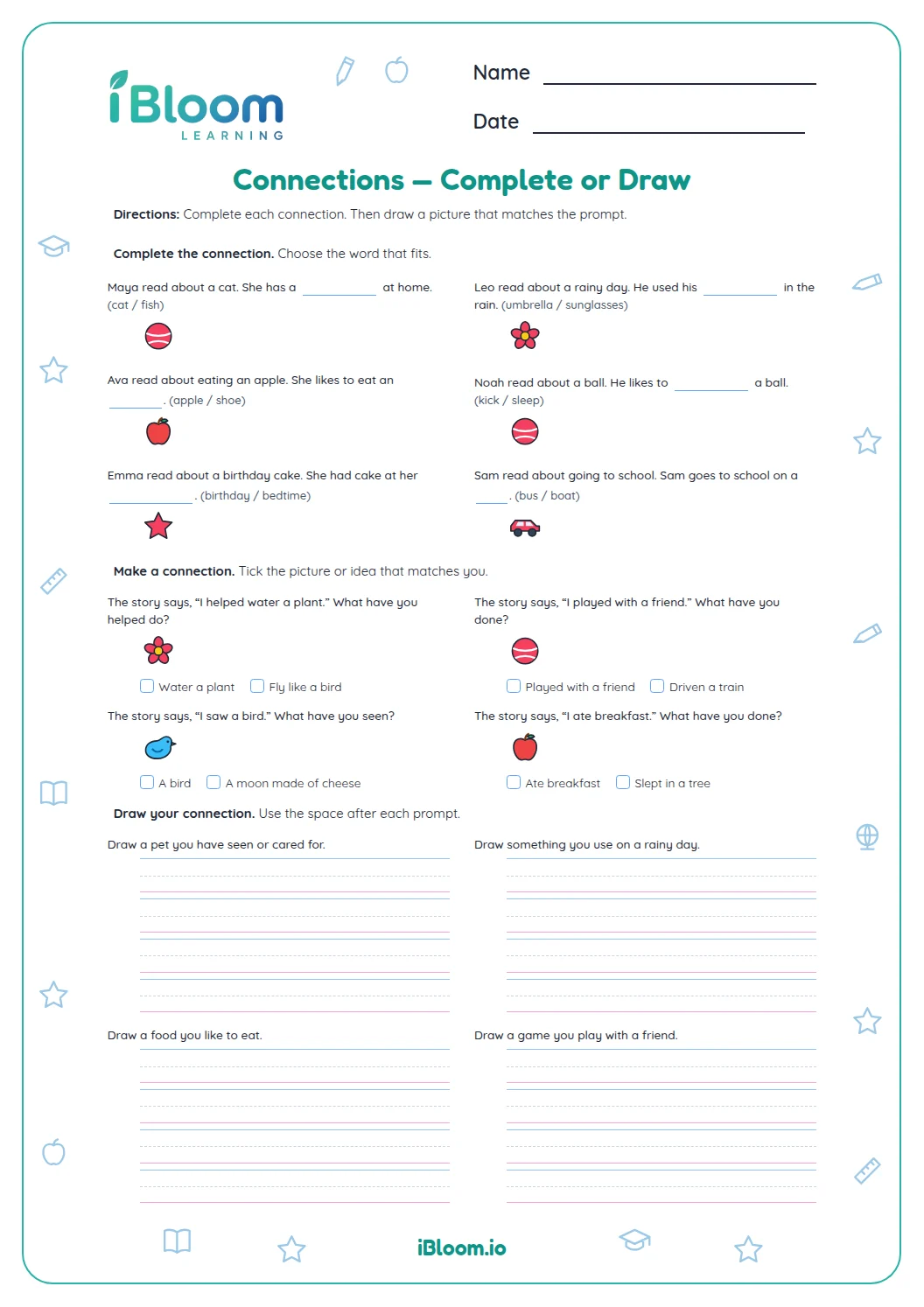 Connections — Complete or DrawPrintable preschool and kindergarten reading comprehension activities that help children connect stories and pictures to their own experiences. This complete or draw worksheet provides a distinct, age-appropriate way to practise the same lesson.Preschool, KindergartenFree PDF preview6 pages
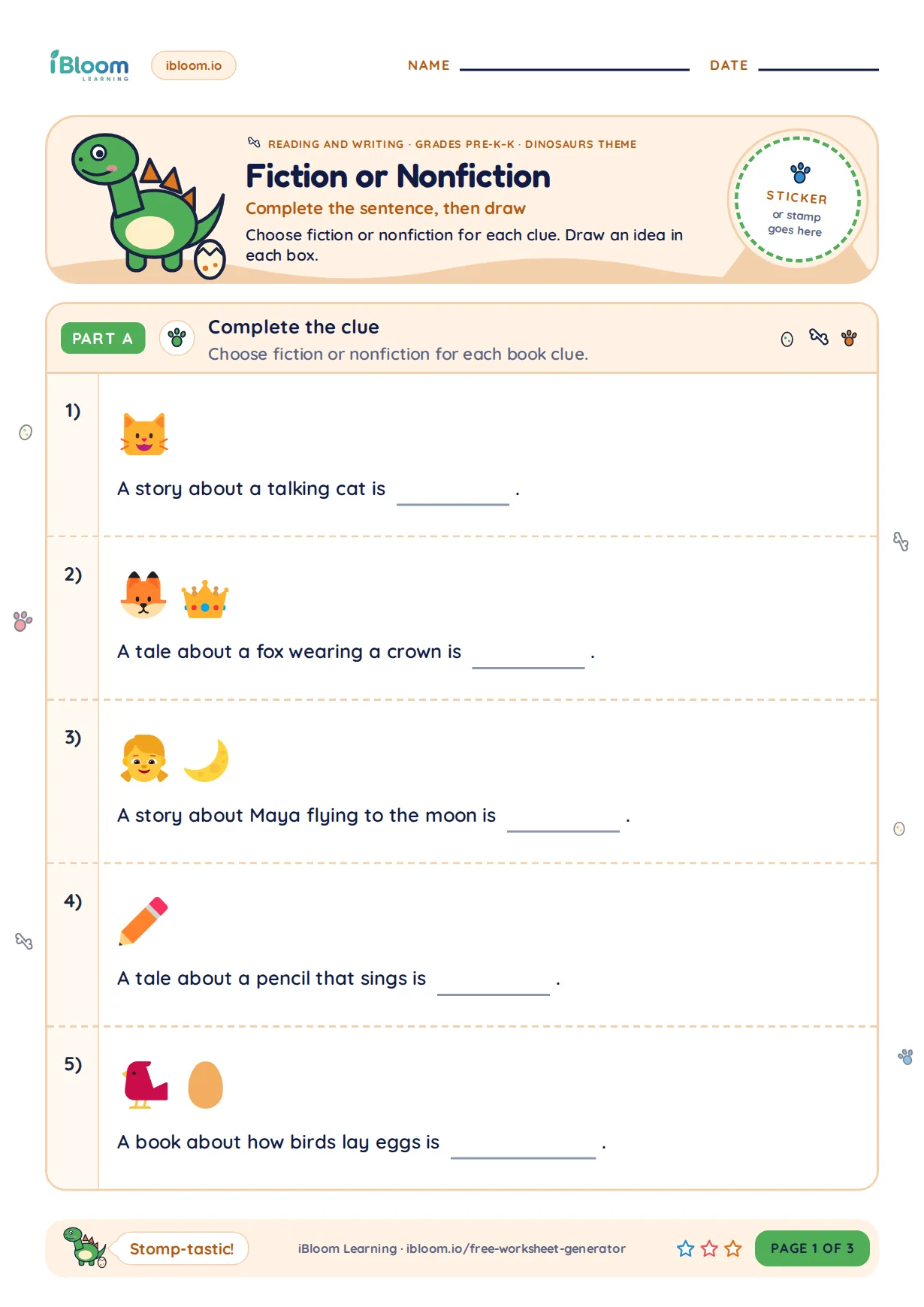 Fiction Non Fiction — Complete or DrawPrintable preschool and kindergarten activities help children tell whether a book or passage is fiction or nonfiction using pictures, facts, and story clues. This complete or draw worksheet provides a distinct, age-appropriate way to practise the same lesson.Preschool, KindergartenFree PDF preview
 Prediction — Complete or DrawExplore prediction practice activities within Exercises Practice Activities, organised so children, families, and elementary teachers can move from broad learning areas to focused printable practice. This complete or draw worksheet provides a distinct, age-appropriate way to practise the same lesson.Preschool, KindergartenFree PDF preview
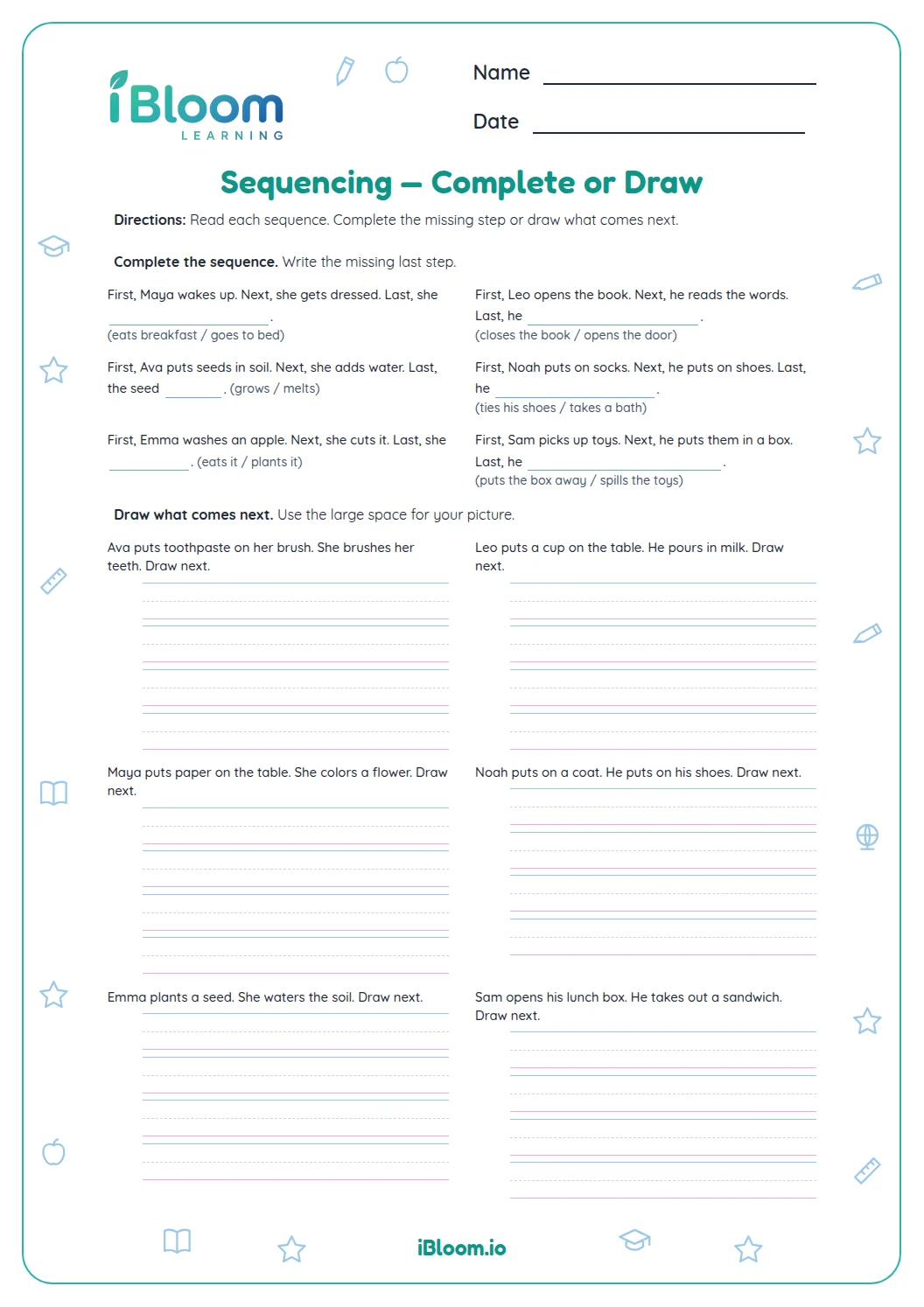 Sequencing — Complete or DrawPrintable preschool and kindergarten sequencing activities help children put story events, routines, and picture steps in order. This complete or draw worksheet provides a distinct, age-appropriate way to practise the same lesson.Preschool, KindergartenFree PDF preview
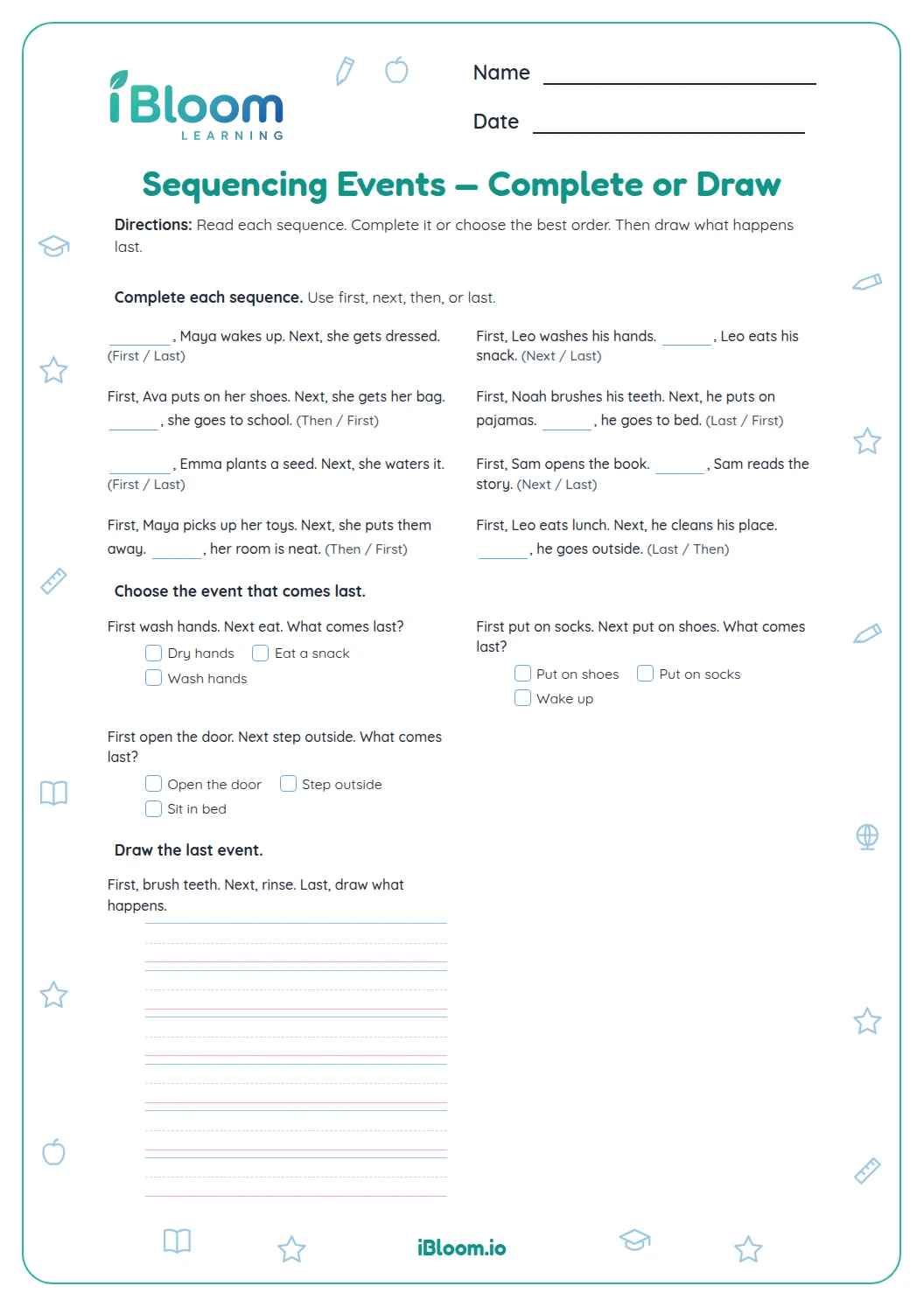 Sequencing Events — Complete or DrawPreschool and kindergarten worksheets for sequencing events in stories, routines, and picture sets using first, next, then, and last. This complete or draw worksheet provides a distinct, age-appropriate way to practise the same lesson.Preschool, KindergartenFree PDF preview8 pages
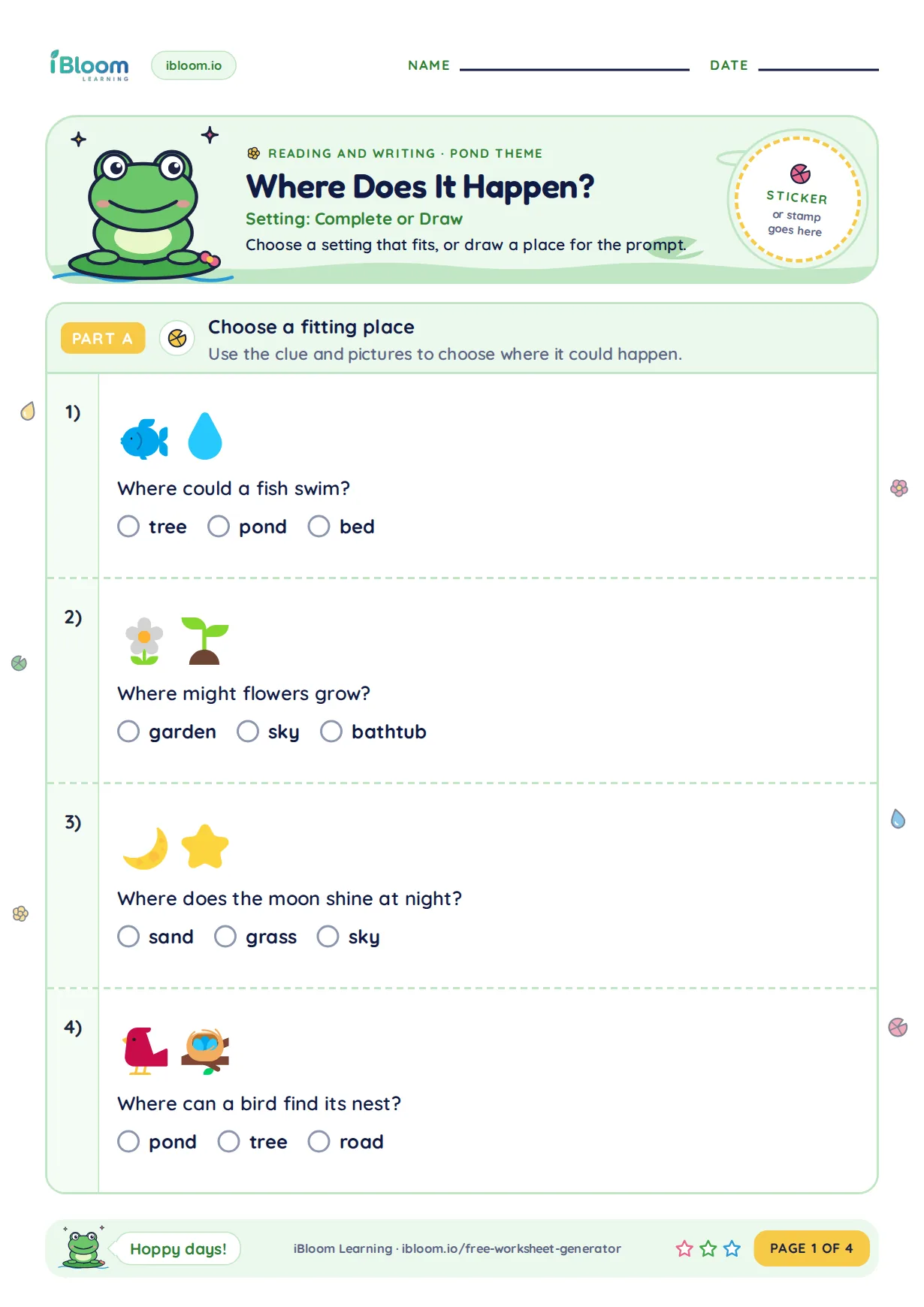 Setting — Complete or DrawExplore setting practice activities within Exercises Practice Activities, organised so children, families, and elementary teachers can move from broad learning areas to focused printable practice. This complete or draw worksheet provides a distinct, age-appropriate way to practise the same lesson.Preschool, KindergartenFree PDF preview
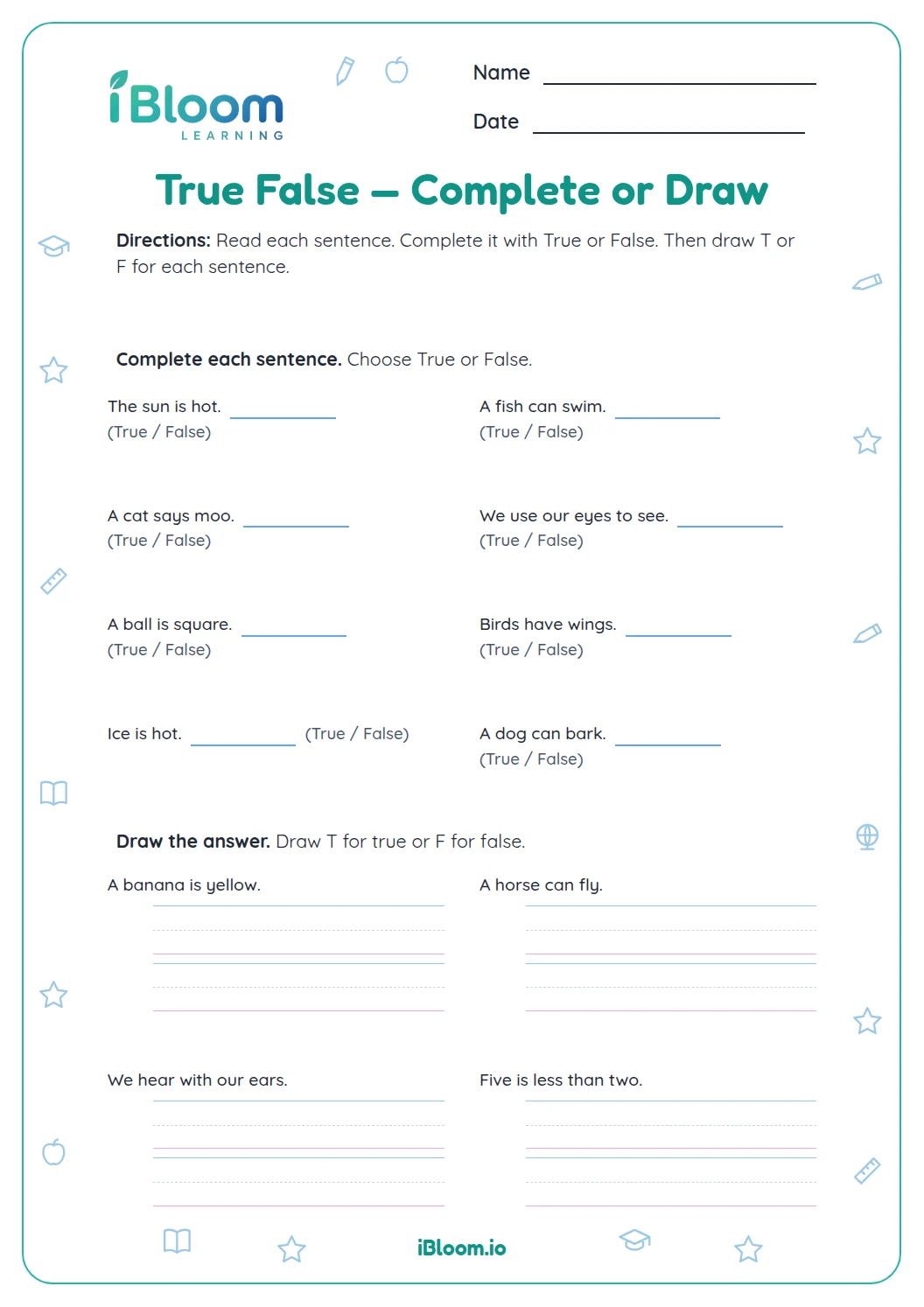 True False — Complete or DrawPrintable preschool and kindergarten true/false activities that build careful listening, picture reading, and basic comprehension. This complete or draw worksheet provides a distinct, age-appropriate way to practise the same lesson.Preschool, KindergartenFree PDF preview
 Cause And Effect — Use It in a Familiar ContextPrintable preschool and kindergarten activities that help children connect events, reasons, and results in simple reading situations. This use it in a familiar context worksheet provides a distinct, age-appropriate way to practise the same lesson.Preschool, KindergartenFree PDF preview8 pages
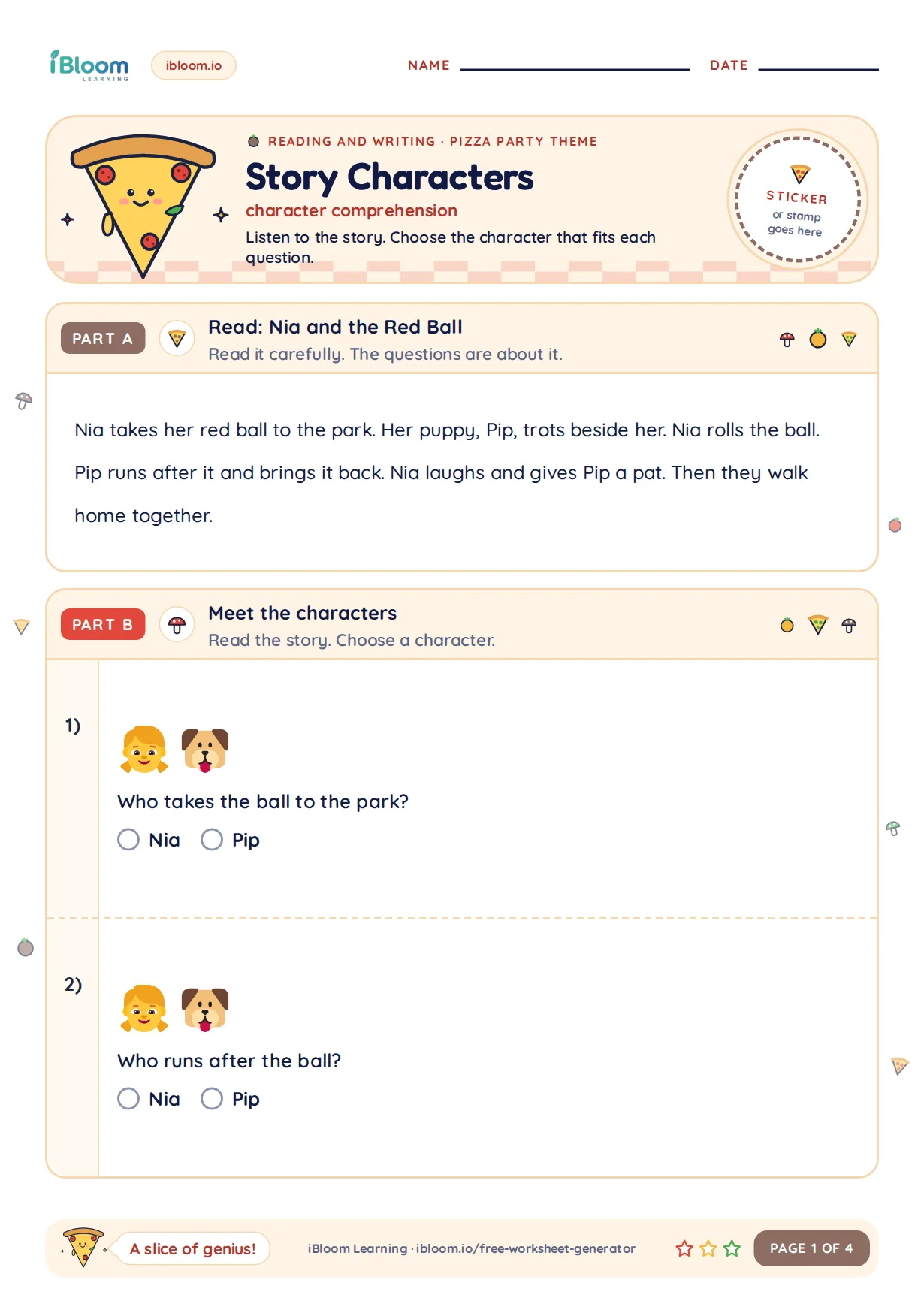 Characters — Use It in a Familiar ContextPrintable preschool and kindergarten character worksheets help children identify who is in a story and connect each character to simple actions, traits, and feelings. This use it in a familiar context worksheet provides a distinct, age-appropriate way to practise the same lesson.Preschool, KindergartenFree PDF preview
 Compare Contrast — Use It in a Familiar ContextExplore compare contrast practice activities within Exercises Practice Activities, organised so children, families, and elementary teachers can move from broad learning areas to focused printable practice. This use it in a familiar context worksheet provides a distinct, age-appropriate way to practise the same lesson.Preschool, KindergartenFree PDF preview8 pages
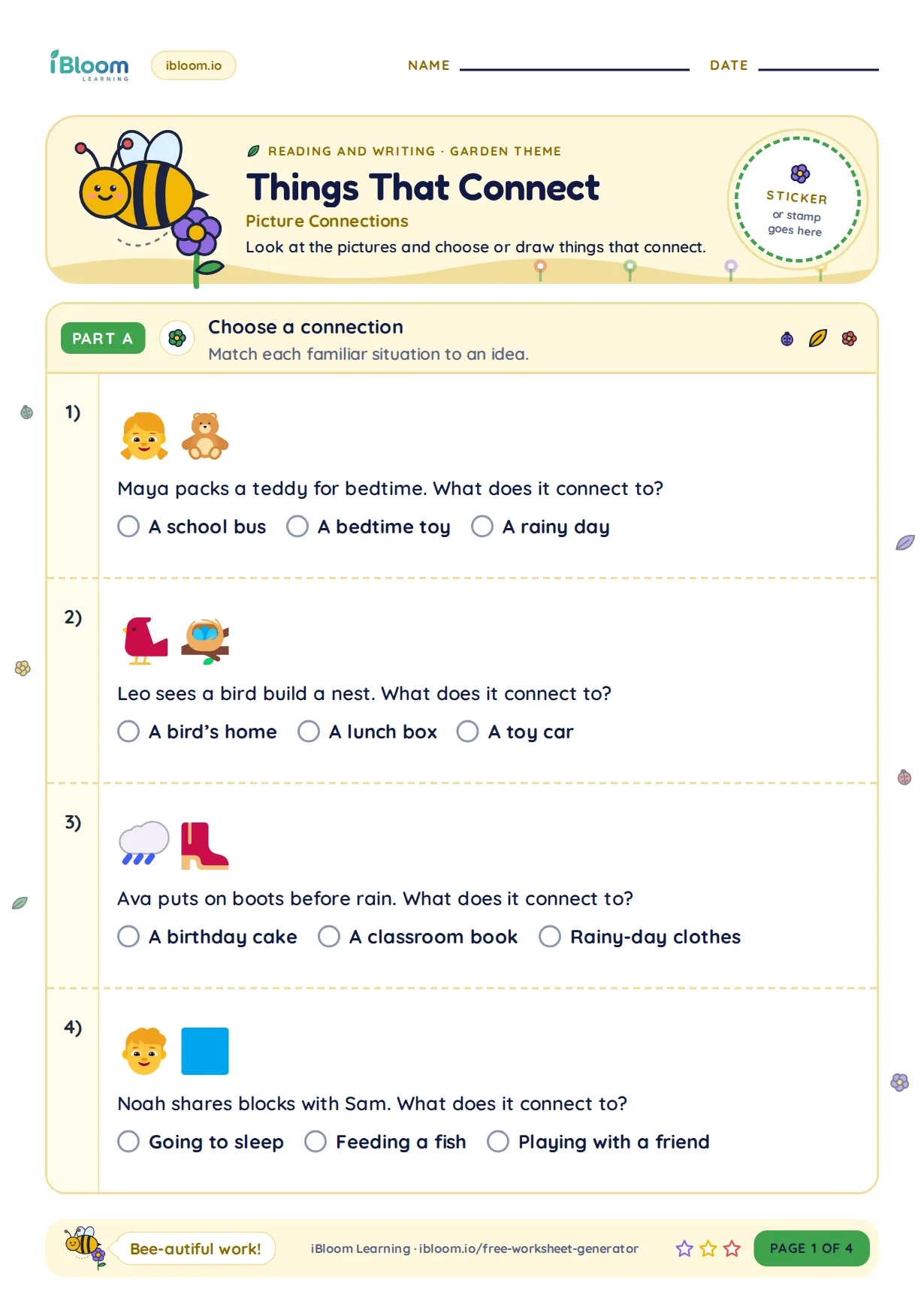 Connections — Use It in a Familiar ContextPrintable preschool and kindergarten reading comprehension activities that help children connect stories and pictures to their own experiences. This use it in a familiar context worksheet provides a distinct, age-appropriate way to practise the same lesson.Preschool, KindergartenFree PDF preview
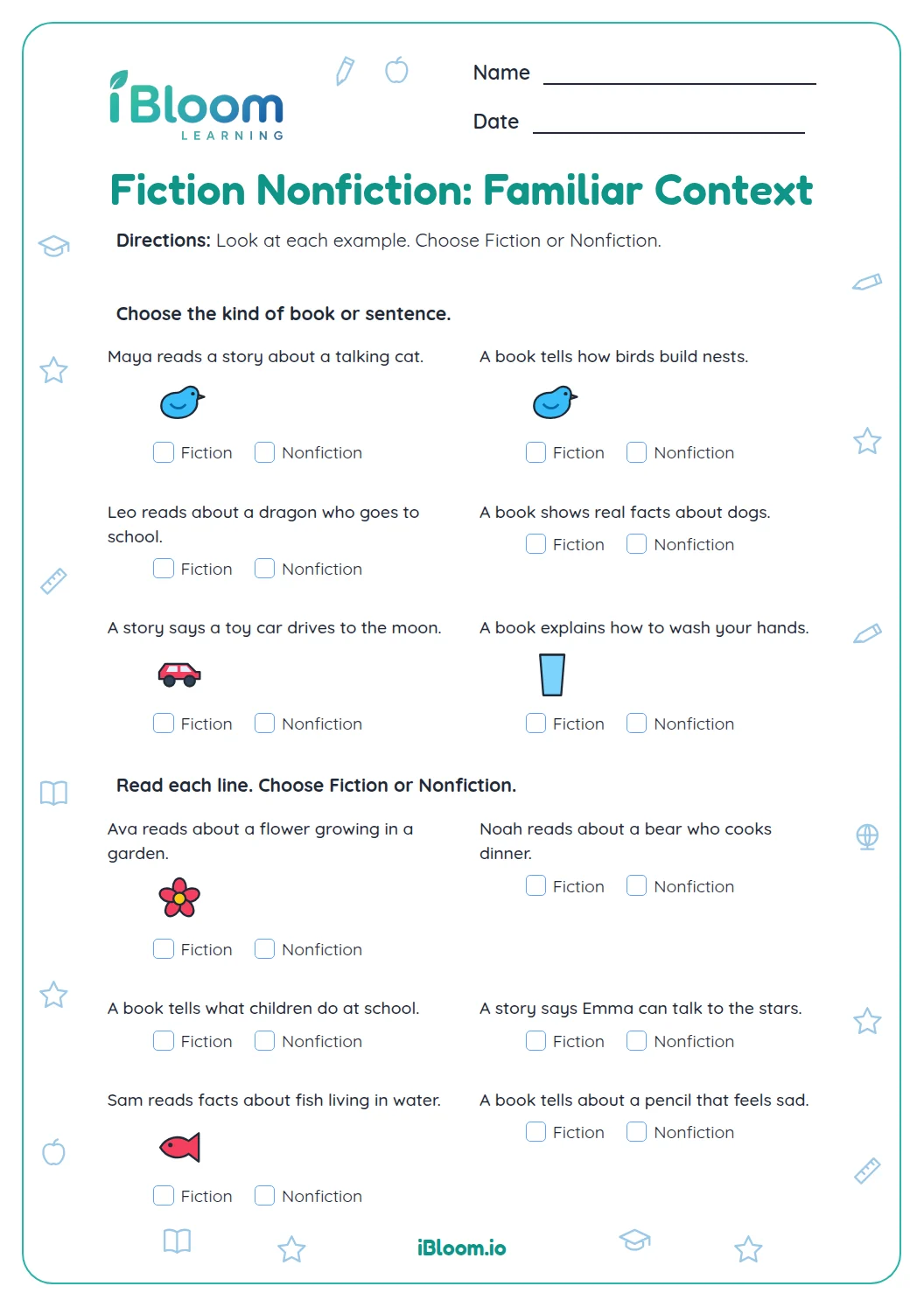 Fiction Non Fiction — Use It in a Familiar ContextPrintable preschool and kindergarten activities help children tell whether a book or passage is fiction or nonfiction using pictures, facts, and story clues. This use it in a familiar context worksheet provides a distinct, age-appropriate way to practise the same lesson.Preschool, KindergartenFree PDF preview
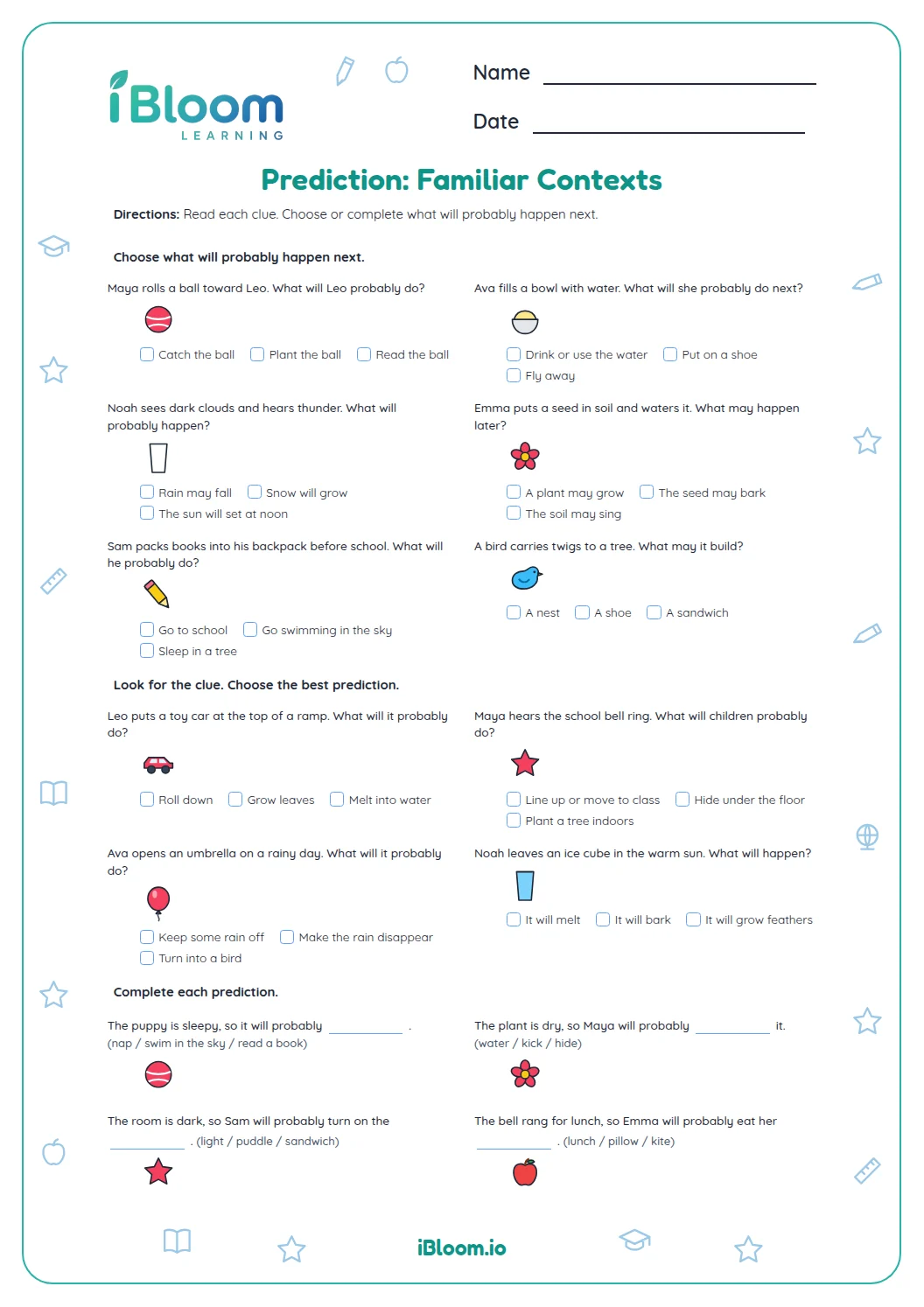 Prediction — Use It in a Familiar ContextExplore prediction practice activities within Exercises Practice Activities, organised so children, families, and elementary teachers can move from broad learning areas to focused printable practice. This use it in a familiar context worksheet provides a distinct, age-appropriate way to practise the same lesson.Preschool, KindergartenFree PDF preview
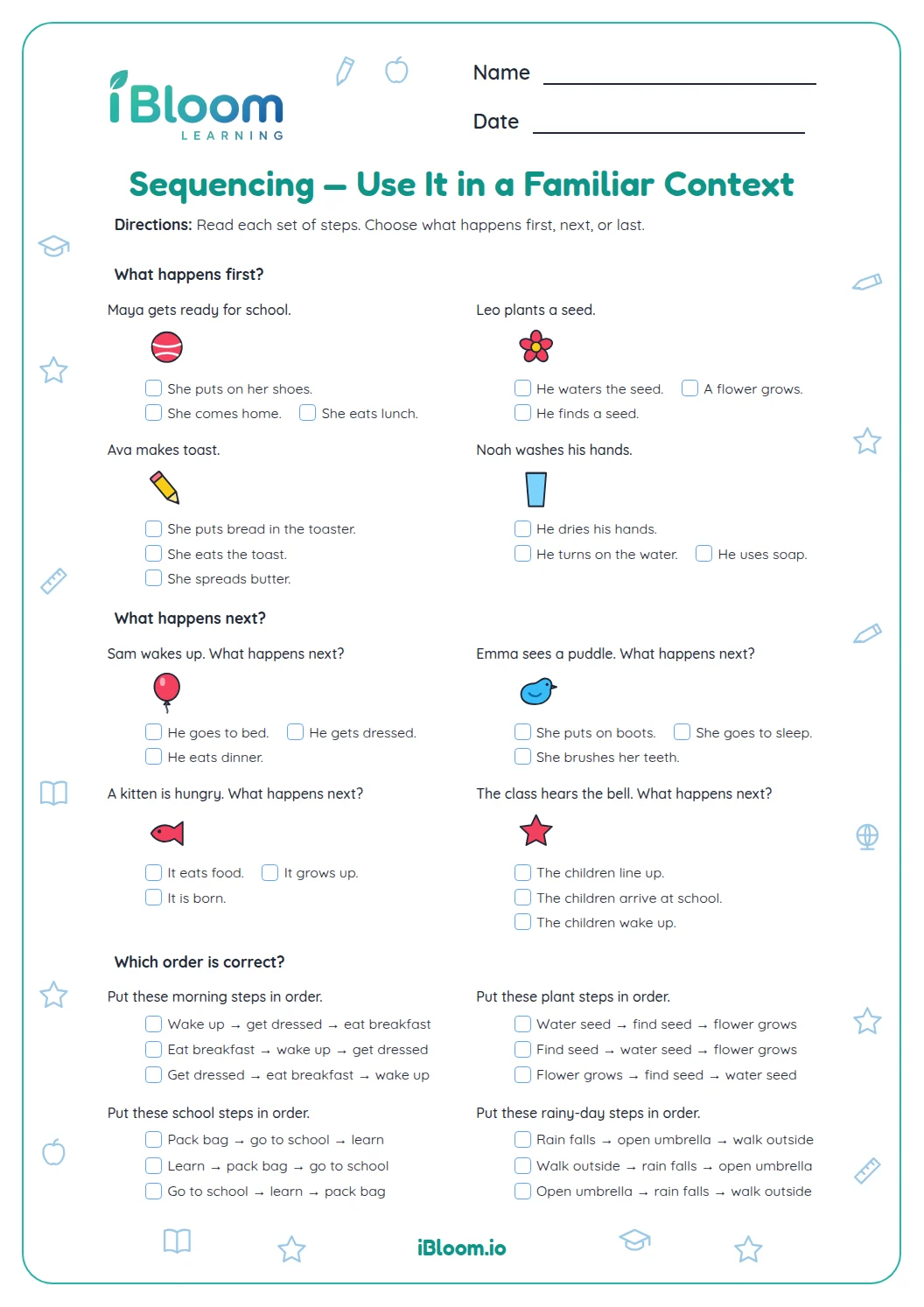 Sequencing — Use It in a Familiar ContextPrintable preschool and kindergarten sequencing activities help children put story events, routines, and picture steps in order. This use it in a familiar context worksheet provides a distinct, age-appropriate way to practise the same lesson.Preschool, KindergartenFree PDF preview
 Sequencing Events — Use It in a Familiar ContextPreschool and kindergarten worksheets for sequencing events in stories, routines, and picture sets using first, next, then, and last. This use it in a familiar context worksheet provides a distinct, age-appropriate way to practise the same lesson.Preschool, KindergartenFree PDF preview
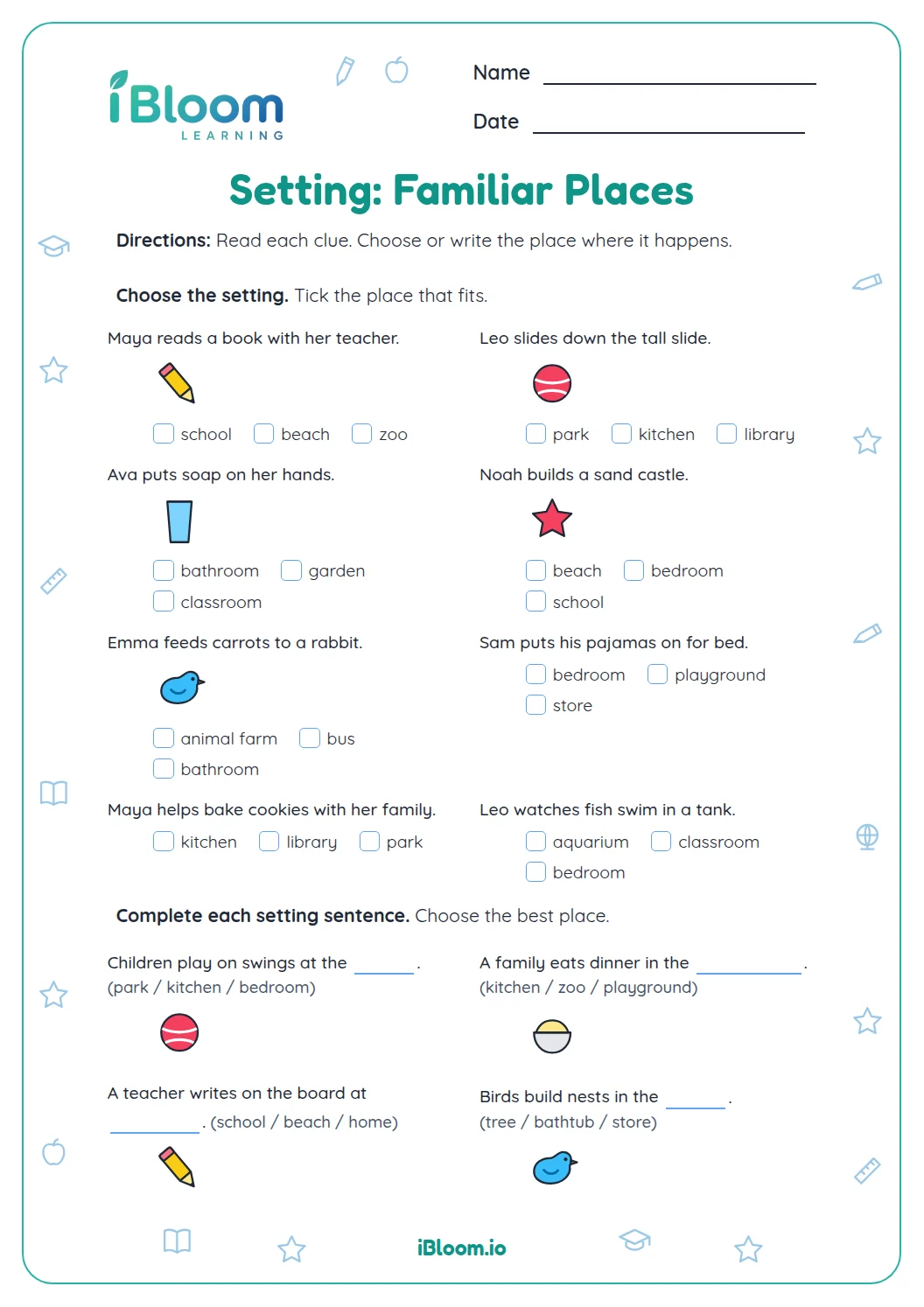 Setting — Use It in a Familiar ContextExplore setting practice activities within Exercises Practice Activities, organised so children, families, and elementary teachers can move from broad learning areas to focused printable practice. This use it in a familiar context worksheet provides a distinct, age-appropriate way to practise the same lesson.Preschool, KindergartenFree PDF preview4 pages
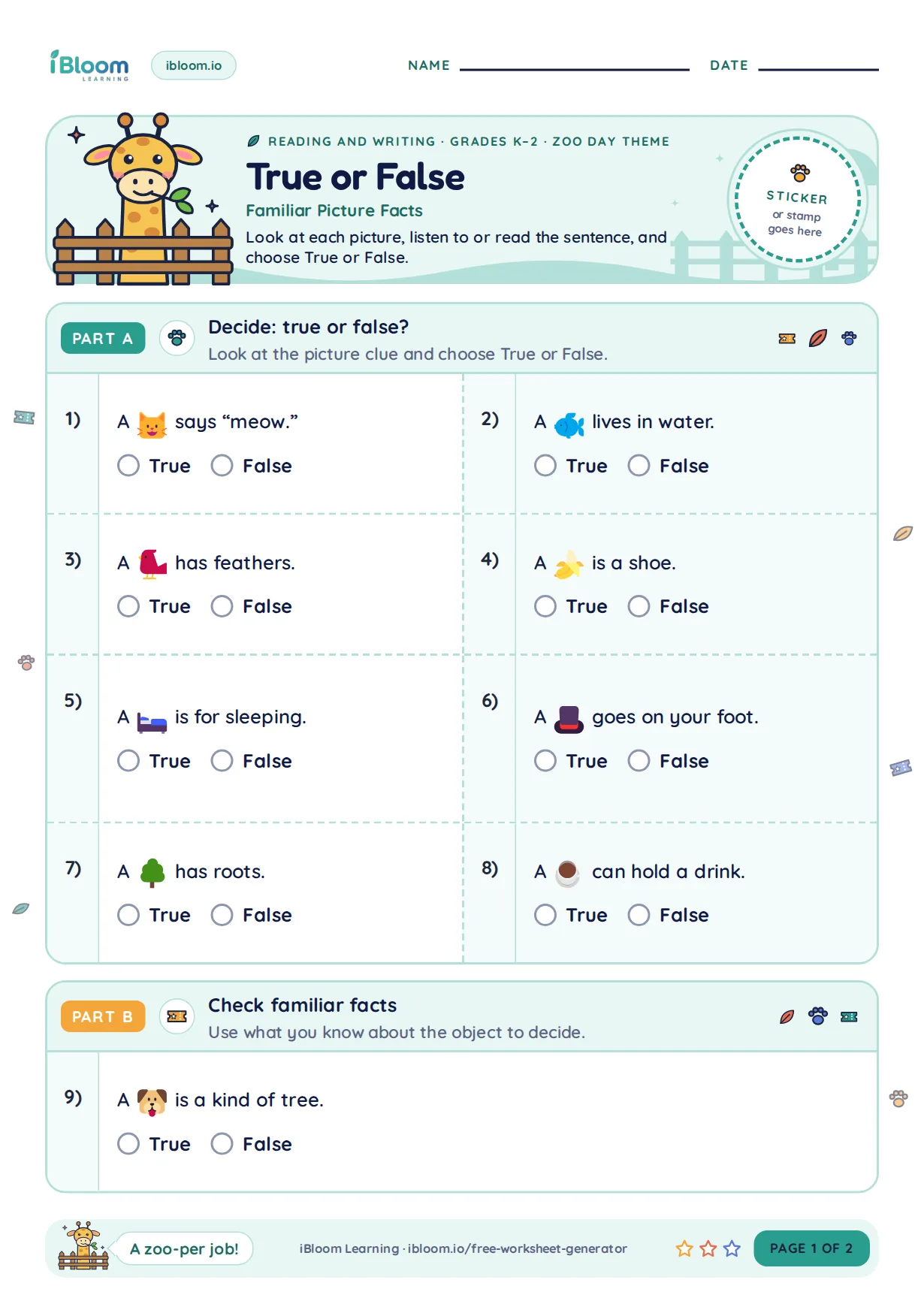 True False — Use It in a Familiar ContextPrintable preschool and kindergarten true/false activities that build careful listening, picture reading, and basic comprehension. This use it in a familiar context worksheet provides a distinct, age-appropriate way to practise the same lesson.Preschool, KindergartenFree PDF preview
Practice that builds confidence
Building early comprehension
These preschool and kindergarten reading comprehension exercises help children notice what happens in a short story or simple nonfiction passage. Learners practise sequencing, identifying characters and setting, making predictions, spotting cause and effect, and deciding whether statements are true or false.
The printable activities include picture-supported questions, short prompts, matching tasks, compare-and-contrast practice, and early fiction/nonfiction work. They are designed for young readers who are building listening comprehension, oral language, and early response skills.
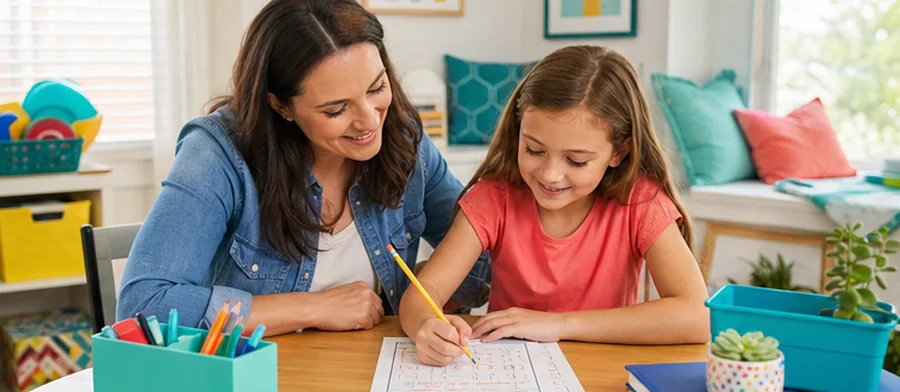
At this level, reading comprehension is often about understanding a short text read aloud, a decodable sentence, or a picture story. Children learn to answer “who,” “where,” “what happened,” and “why” questions. The exercises move from concrete tasks, such as naming a character or choosing a setting, toward deeper thinking, such as predicting what might happen next or explaining a simple connection.
Skills across the worksheets
Sequencing and sequencing events activities ask children to put story parts in order using words such as first, next, and last. Characters and setting pages focus on who is in the story and where it takes place. Cause and effect tasks help children link an action to a result, such as “The dog ran away, so the girl looked for it.” True/false questions build careful listening, while compare and contrast tasks help children tell how two people, animals, places, or events are alike and different. Fiction and nonfiction pages introduce the idea that some texts tell made-up stories and others give real information.
A simple home routine
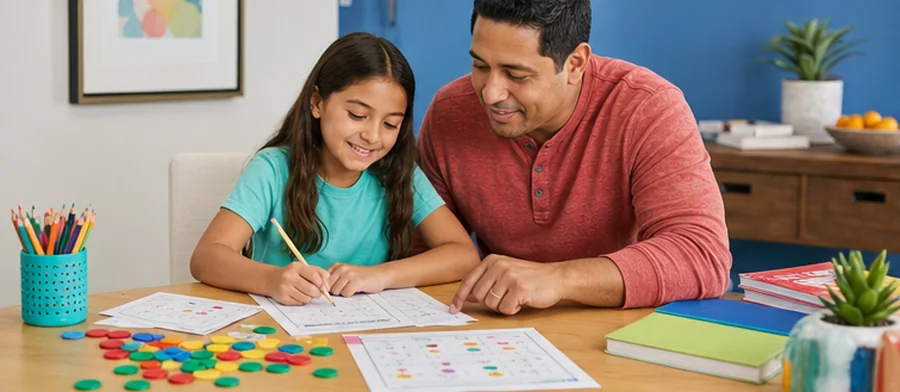
Parents can use one worksheet after a short read-aloud. Before reading, ask, “What do you think this will be about?” During reading, pause once to ask what has happened so far. After reading, complete two or three questions together, encouraging the child to point to the picture or words that helped. End with one oral sentence: “My favorite part was ___ because ___.”
Classroom uses
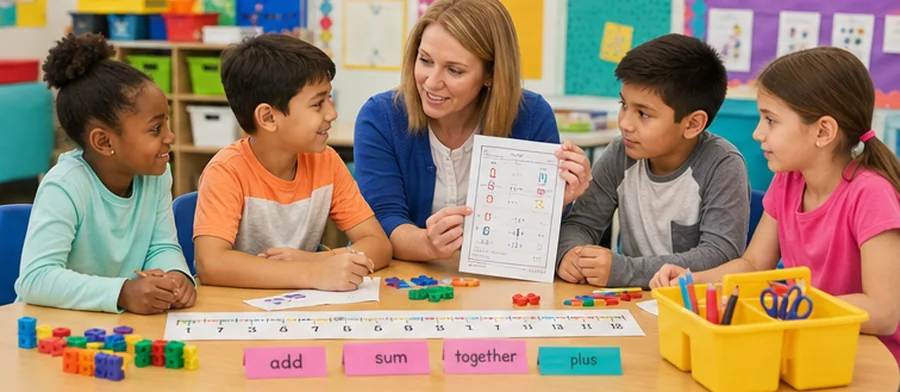
Teachers can place these printables in reading centers, small-group lessons, or quick follow-up activities after shared reading. A sequencing page works well with story retelling. A character or setting page can support a read-aloud discussion. True/false and prediction exercises are useful for checking whether children are listening closely and using evidence from the text or pictures.
Common errors to watch for
Young learners may guess from one picture without listening to the whole story. Some confuse character with setting, or prediction with what already happened. In compare-and-contrast work, they may name only differences and forget similarities. Gently ask, “How do you know?” and guide them back to the sentence, picture, or event.
Free printable PDF download
Use this preschool kindergarten reading comprehension exercises worksheet page to preview the activity, print it, or download it as a PDF for quick practice. It works well for homework, homeschool lessons, tutoring, morning work, revision, and classroom centers.
Answers and answer key support
After the child completes the worksheet independently, parents and teachers can use the answer support or answer key information to check the work, review mistakes, and choose the next practice step.
Why iBloom worksheets help
These worksheets break comprehension into small, visible steps. Children get repeated practice with key vocabulary—character, setting, first, next, because, same, different, real, and make-believe—without being overwhelmed. A helpful child-friendly strategy is: look, listen, think, then answer. That routine encourages children to use clues before marking or saying a response.
Helpful answers
Frequently asked questions
What skills do these reading comprehension exercises cover?
They cover sequencing, characters, setting, making connections, fiction and nonfiction, sequencing events, cause and effect, true/false questions, compare and contrast, and prediction.
Are these worksheets suitable for children who cannot read independently yet?
Yes. Many preschool and kindergarten children can complete the activities after an adult reads the passage, prompt, or directions aloud. The picture support helps them show understanding.
How can I help my child with sequencing events?
Use the words first, next, then, and last while retelling a familiar story. Ask your child to point to the picture that happened first and explain what came after it.
What is the difference between prediction and sequencing?
Sequencing is putting events that already happened in order. Prediction is using clues from the story or pictures to think about what might happen next.
How can teachers use these pages in kindergarten reading groups?
Teachers can use them after a read-aloud, in literacy centers, for small-group comprehension practice, or as a quick check of listening and story understanding.
Is this preschool kindergarten reading comprehension exercises worksheet free?
Yes. You can preview it for free and use the printable worksheet for home or classroom practice.
Can I download this preschool kindergarten reading comprehension exercises worksheet as a PDF?
Yes. Use the worksheet download option to save a printable PDF, or print the worksheet directly from the page.
Does this preschool kindergarten reading comprehension exercises worksheet include answers or an answer key?
When the activity has fixed answers, iBloom includes answer support so parents and teachers can check the completed worksheet.