Free printable practice
Science and EVS Worksheets
Printable Science and EVS worksheets for Classes 1 to 3 that build observation, vocabulary, sorting, labelling and real-life understanding.
Explore Science and EVS
Free printable worksheet PDFs
Preview every available page, then download the free worksheet PDF for home, homeschool, tutoring, or classroom practice.
Preview the exact activity before downloading it.
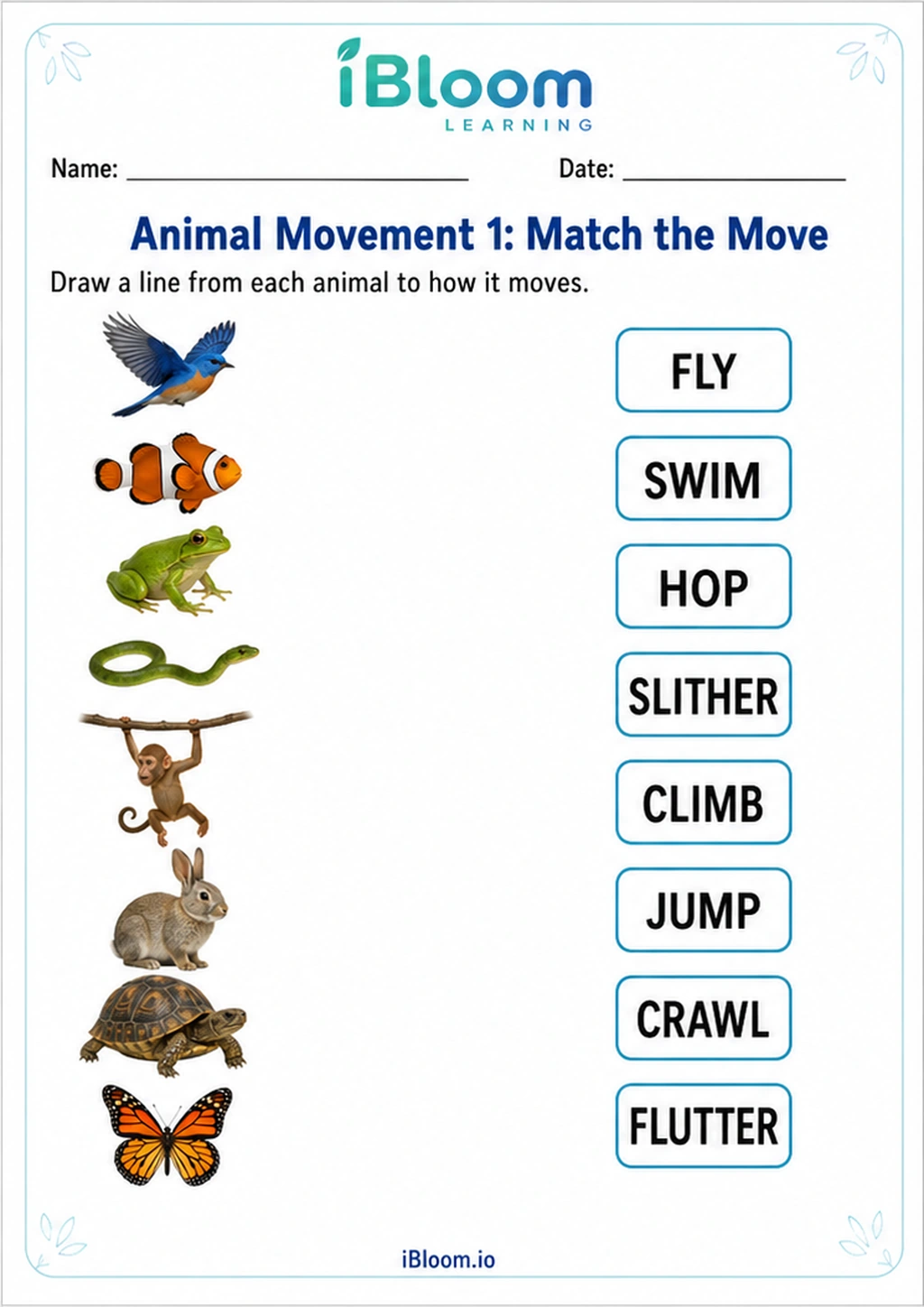 Animal Movement 1: Match the MoveClass 1 printable practice for Animal Movement.Class 1Free PDF preview
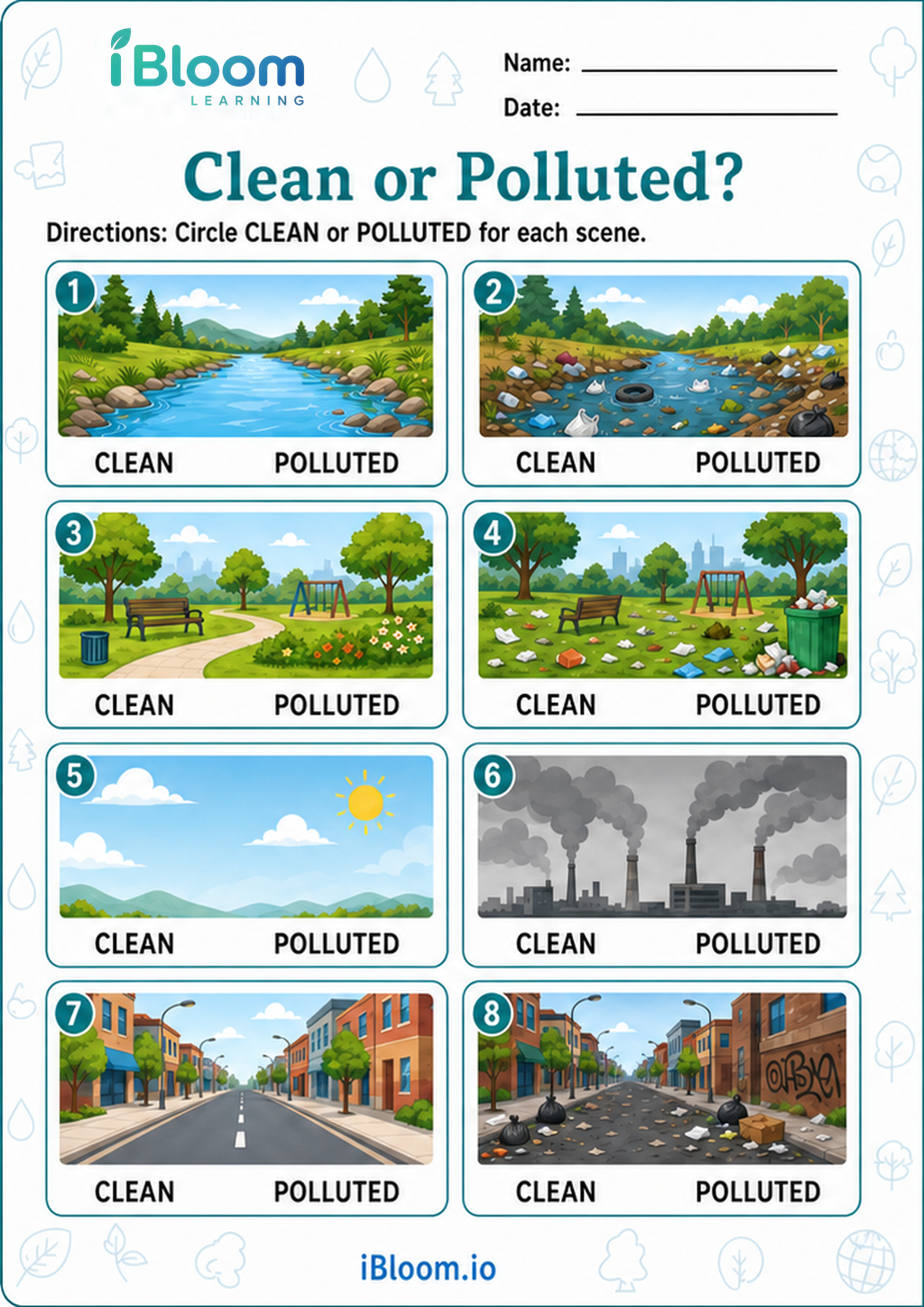 Clean or Polluted?Class 2 printable practice for Our Environment.Class 2Free PDF preview
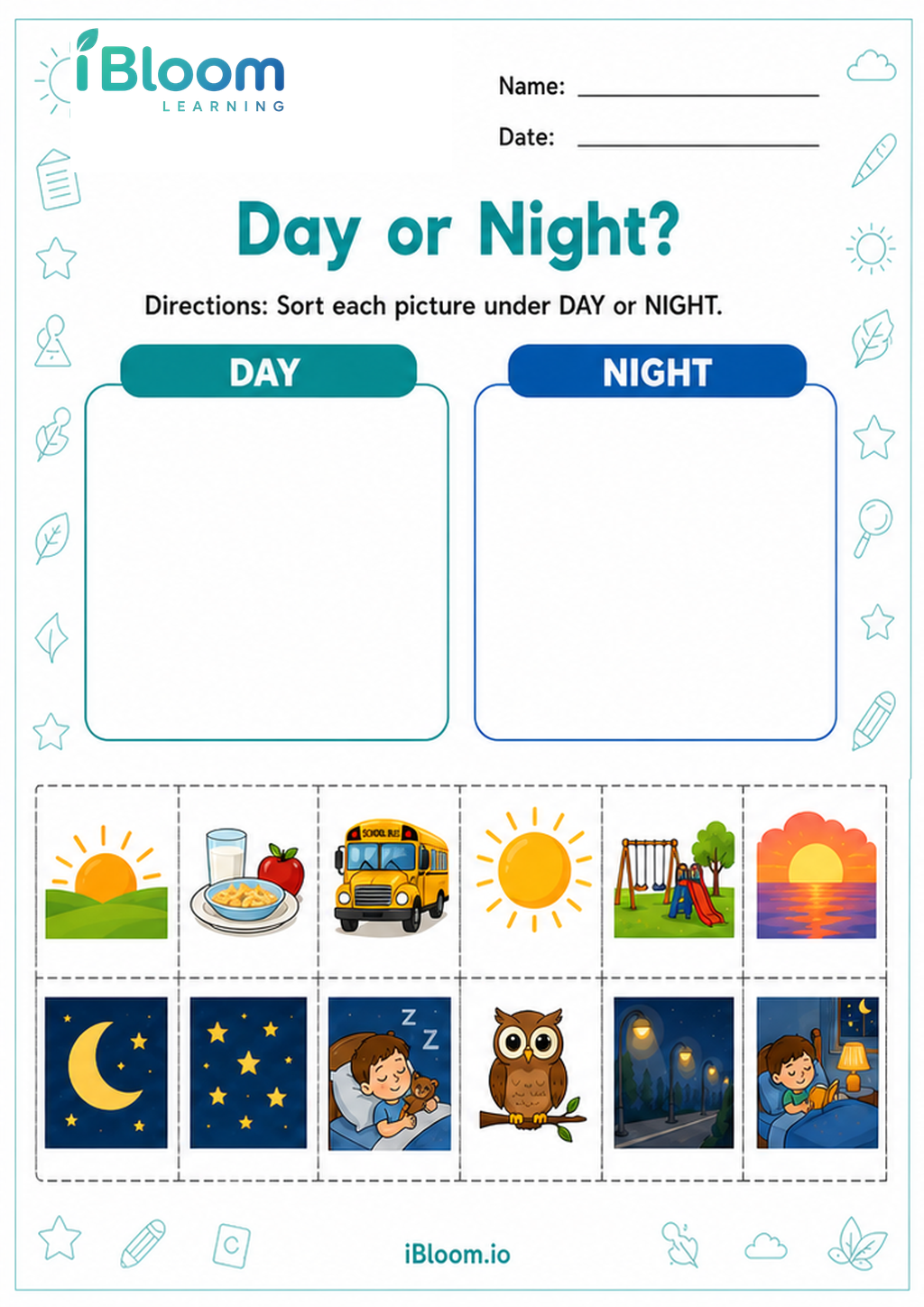 Day or Night?Class 1 printable practice for Day and Night.Class 1Free PDF preview
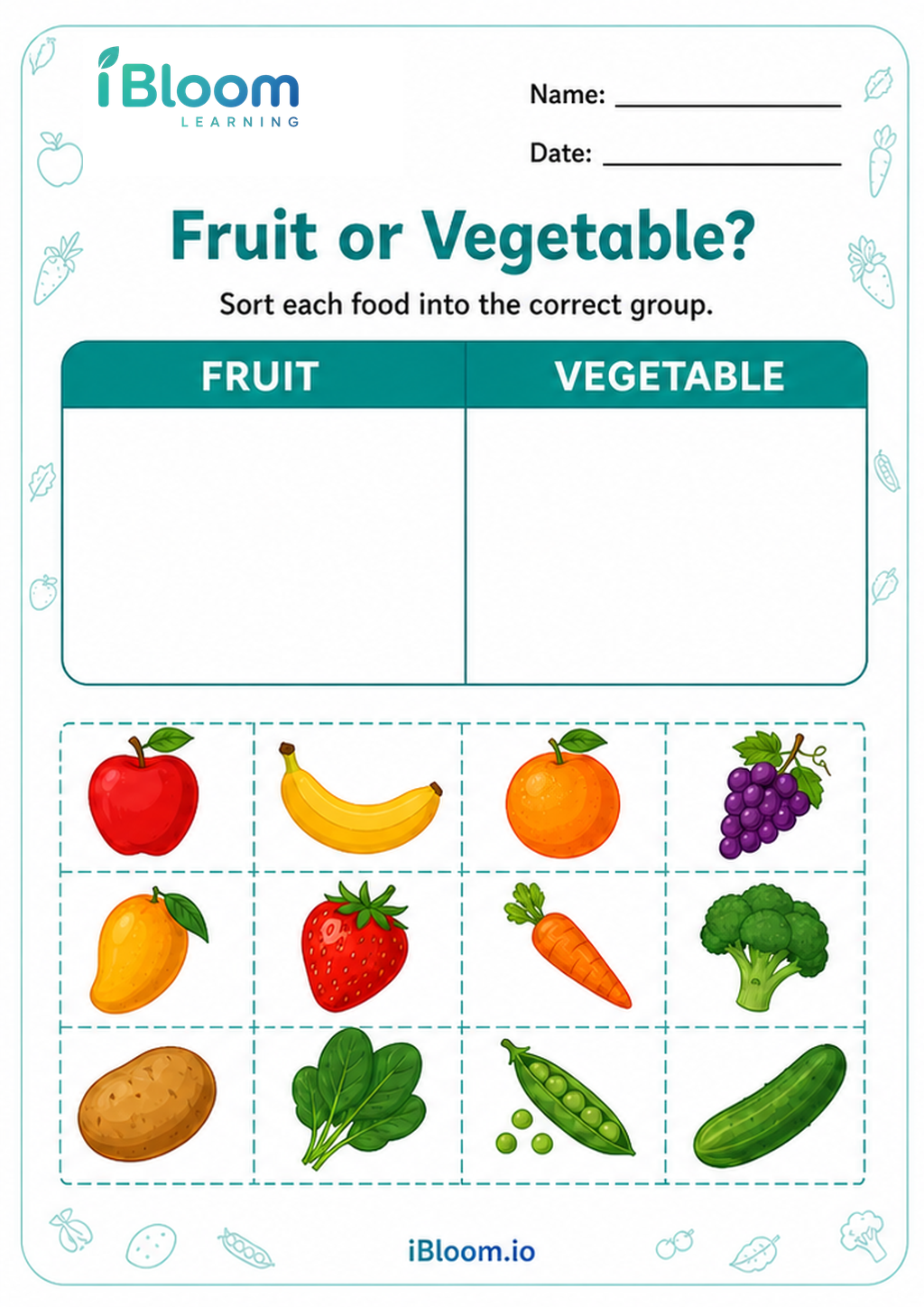 Fruit or Vegetable?Class 1 printable practice for Fruits and Vegetables.Class 1Free PDF preview
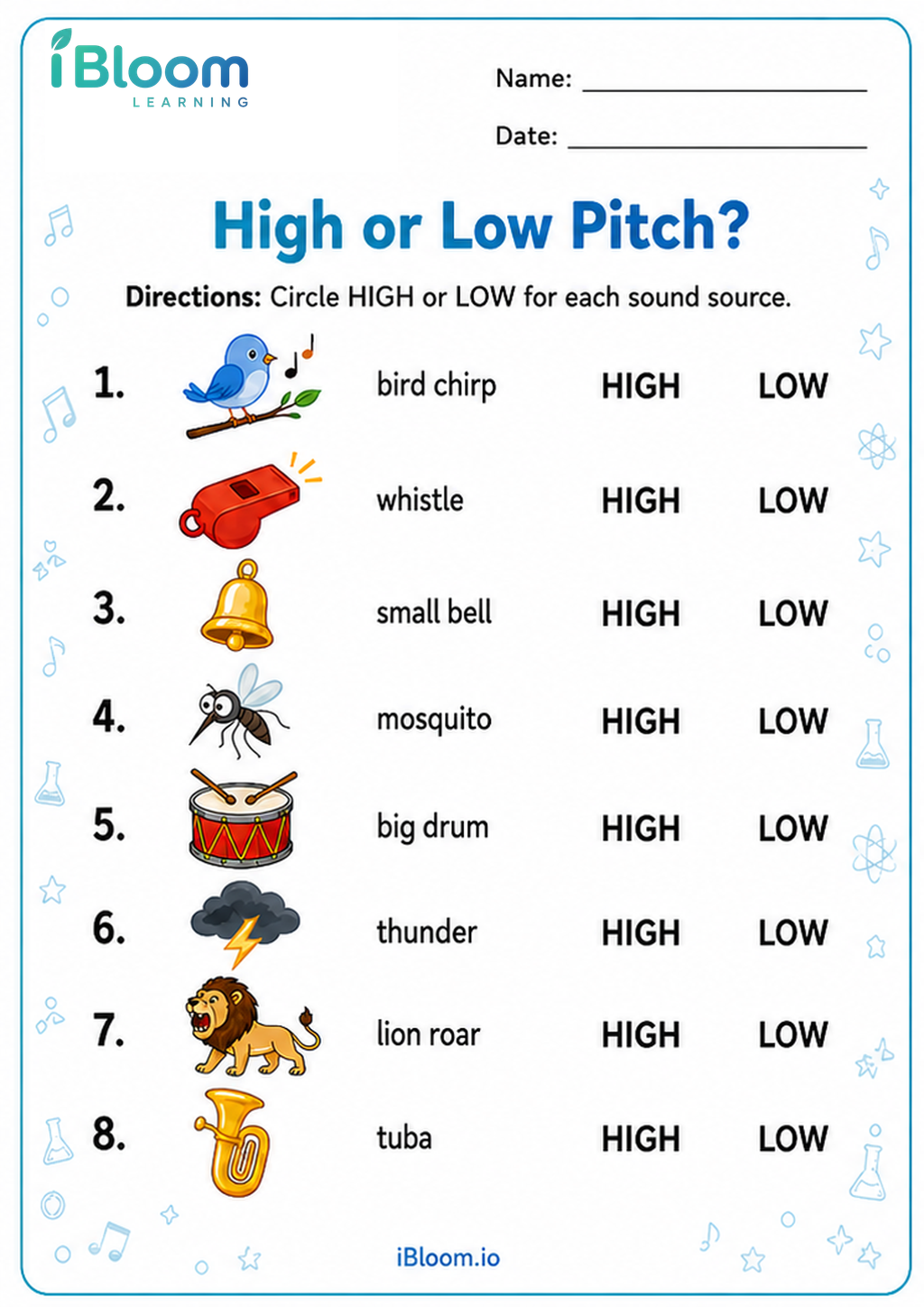 High or Low Pitch?Class 1 printable practice for Sound Pitch.Class 1Free PDF preview
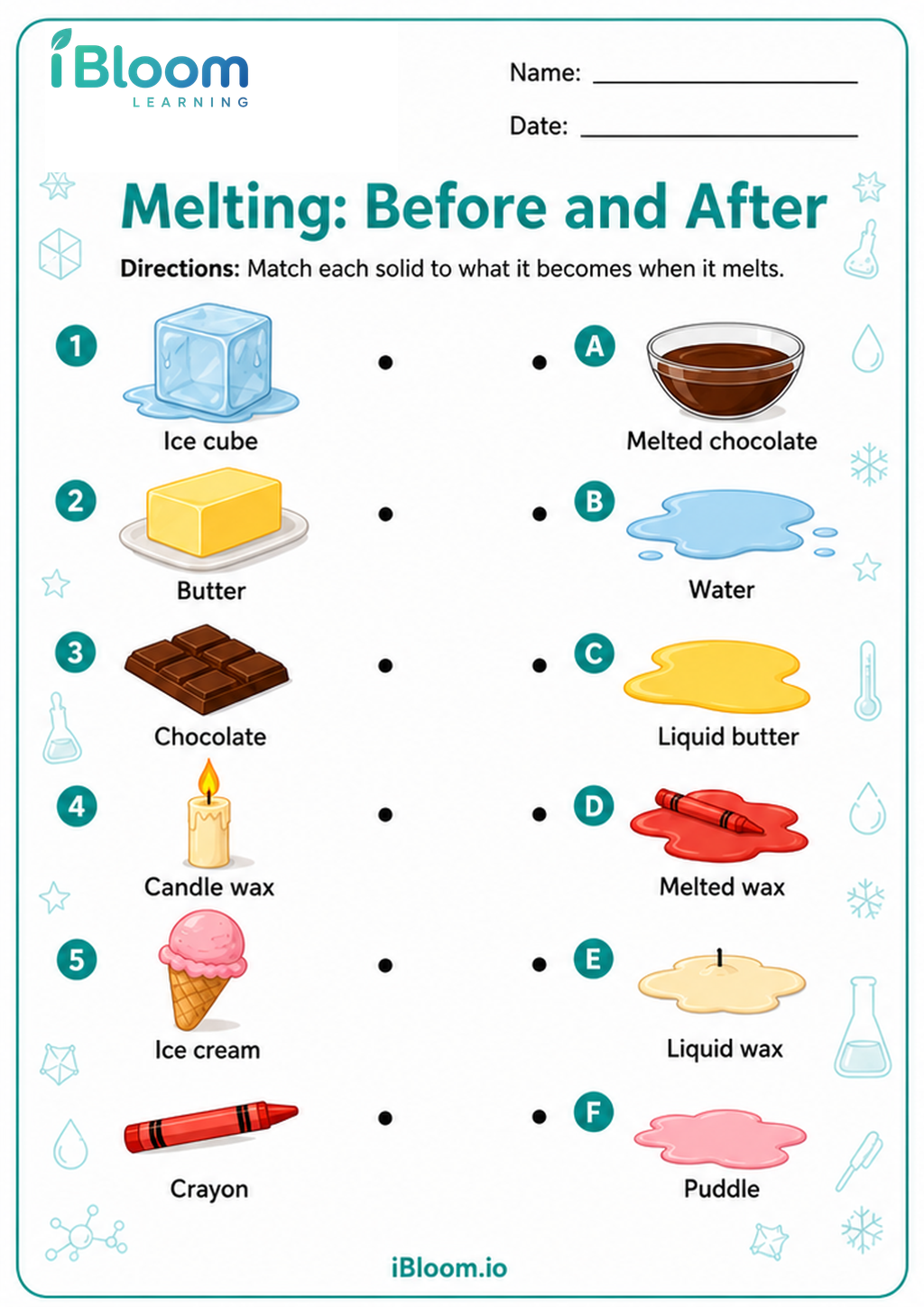 Melting: Before and AfterClass 1 printable practice for Melting.Class 1Free PDF preview
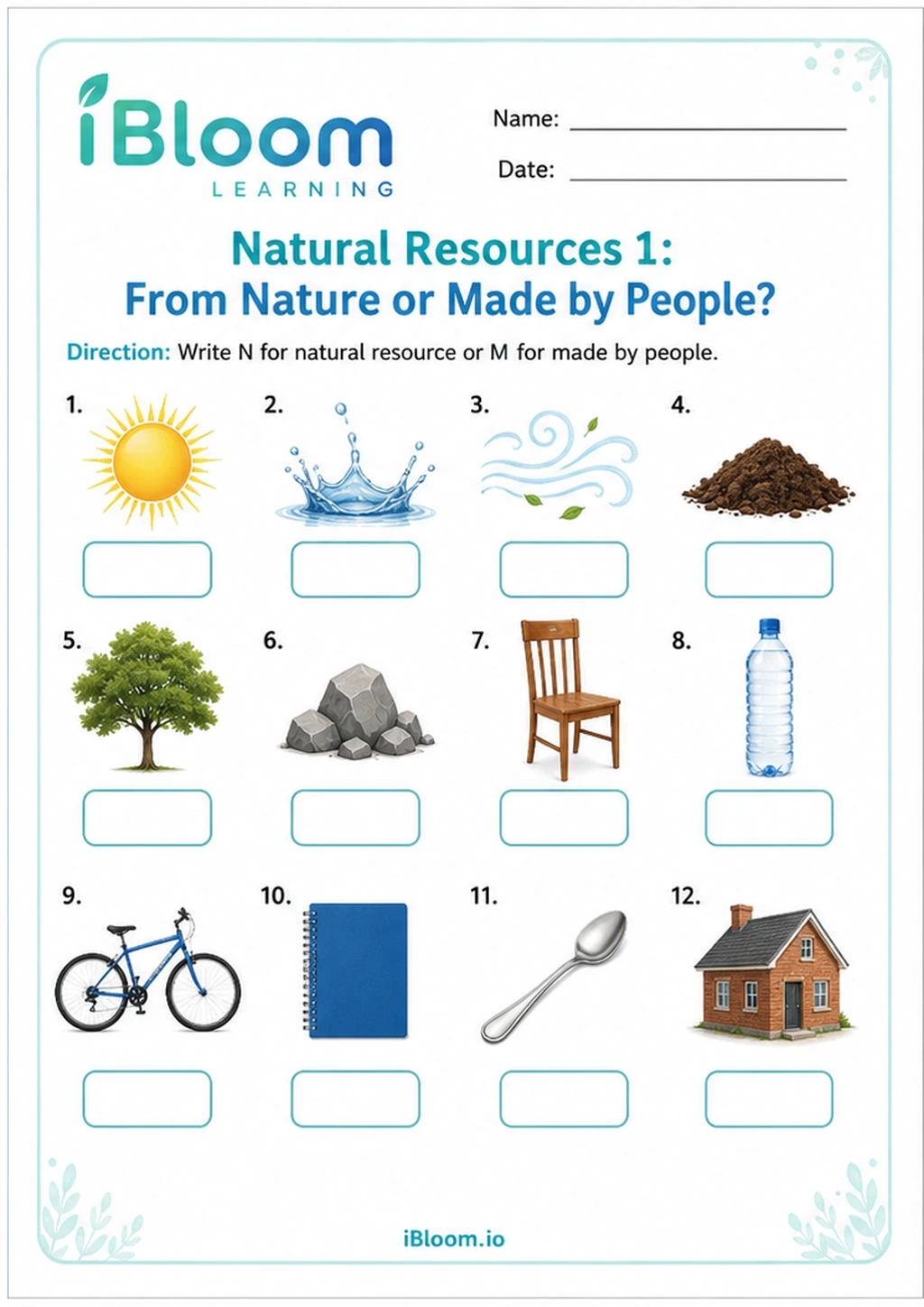 Natural Resources 1: From Nature or Made by People?Class 3 printable practice for Natural Resources.Class 3Free PDF preview
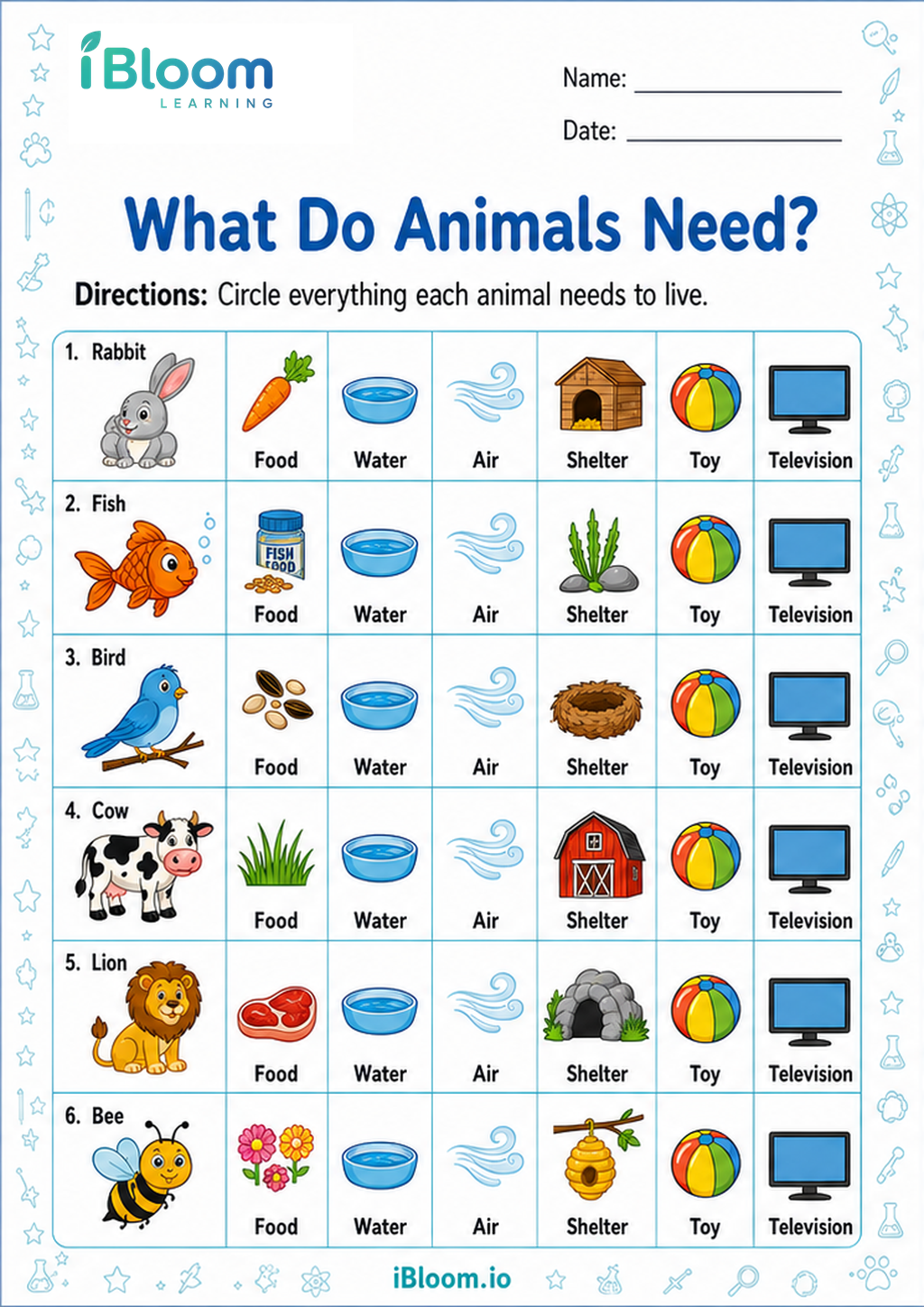 What Do Animals Need?Class 2 printable practice for Animal Needs.Class 2Free PDF preview
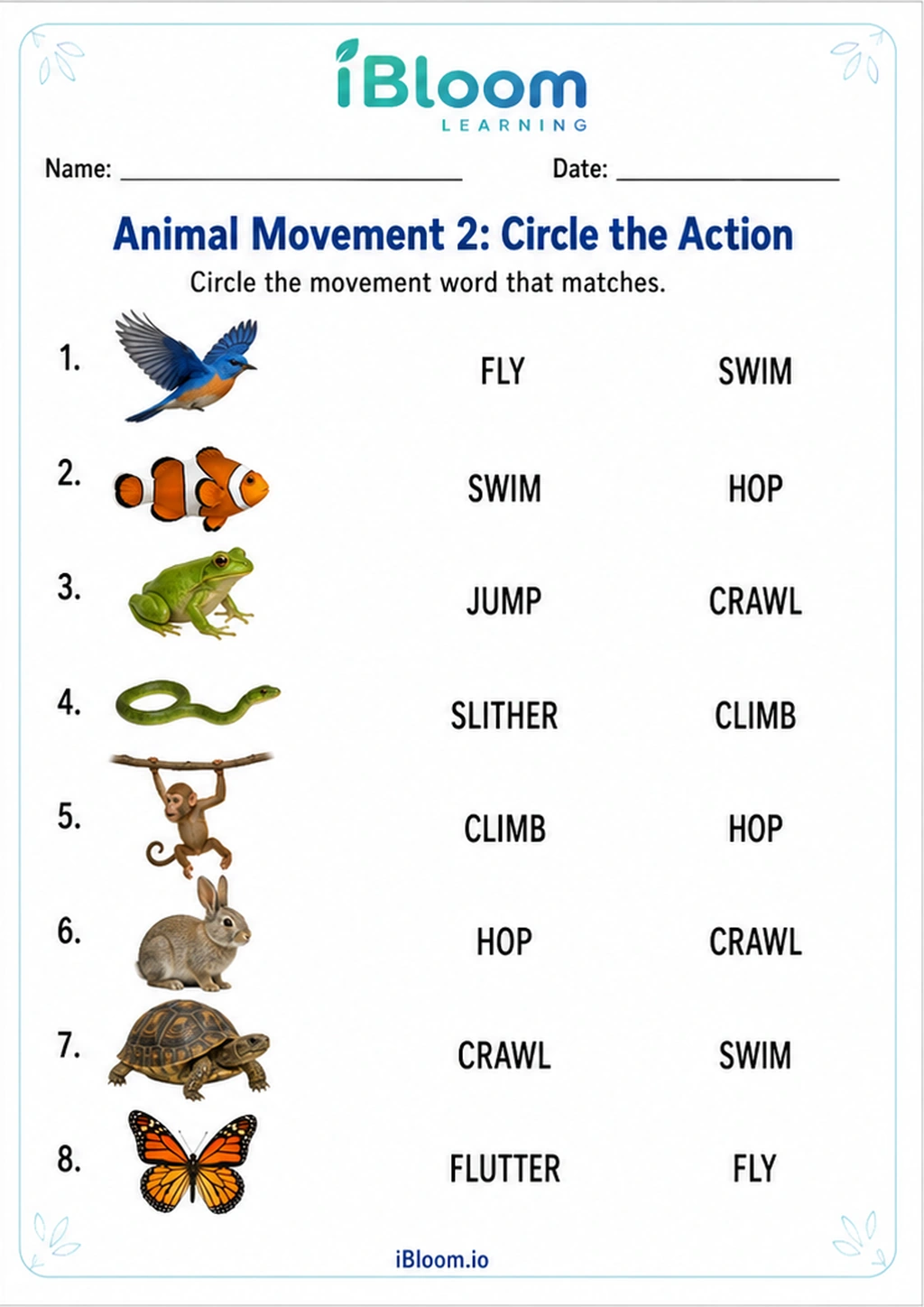 Animal Movement 2: Circle the ActionClass 1 printable practice for Animal Movement.Class 1Free PDF preview
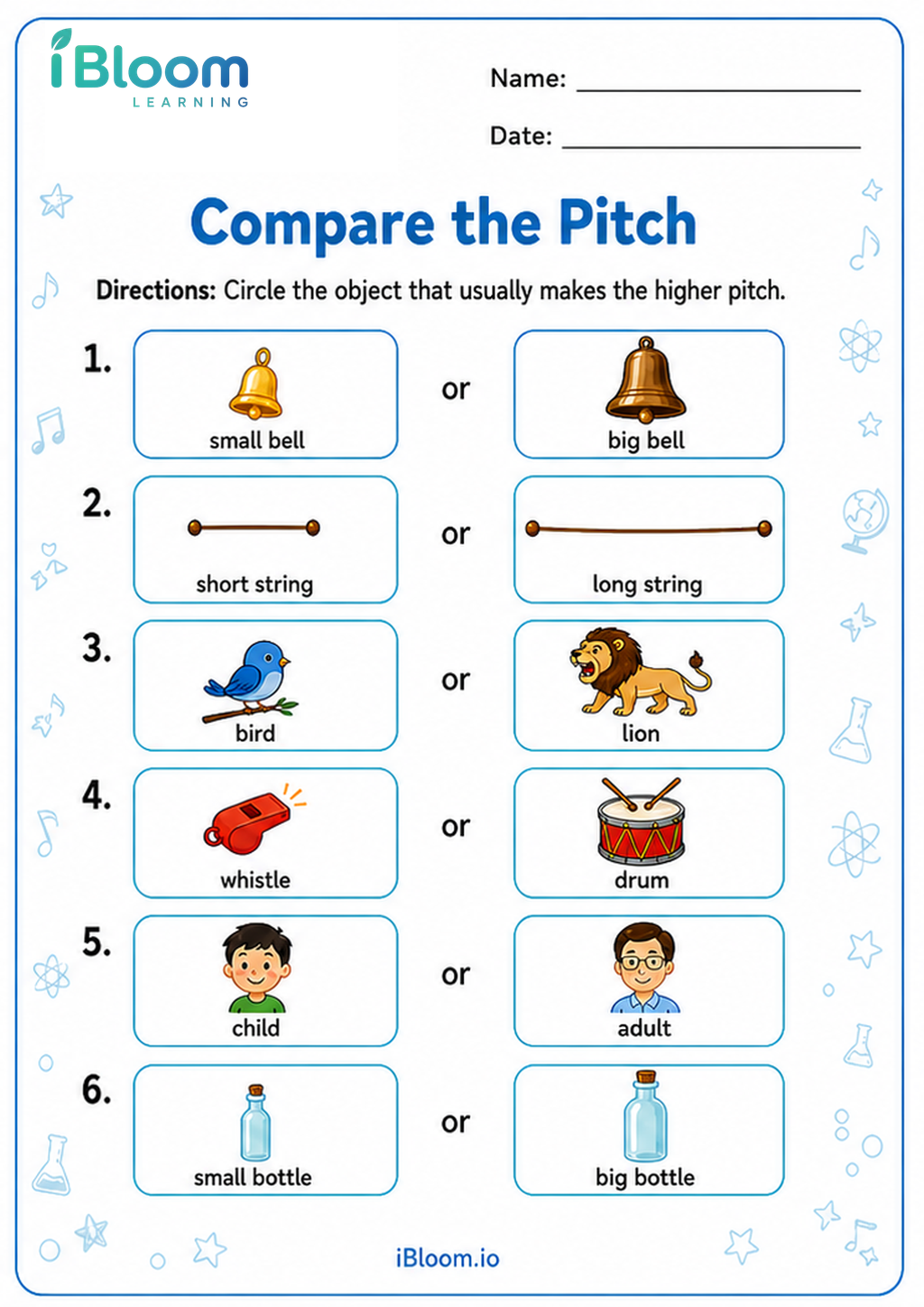 Compare the PitchClass 1 printable practice for Sound Pitch.Class 1Free PDF preview
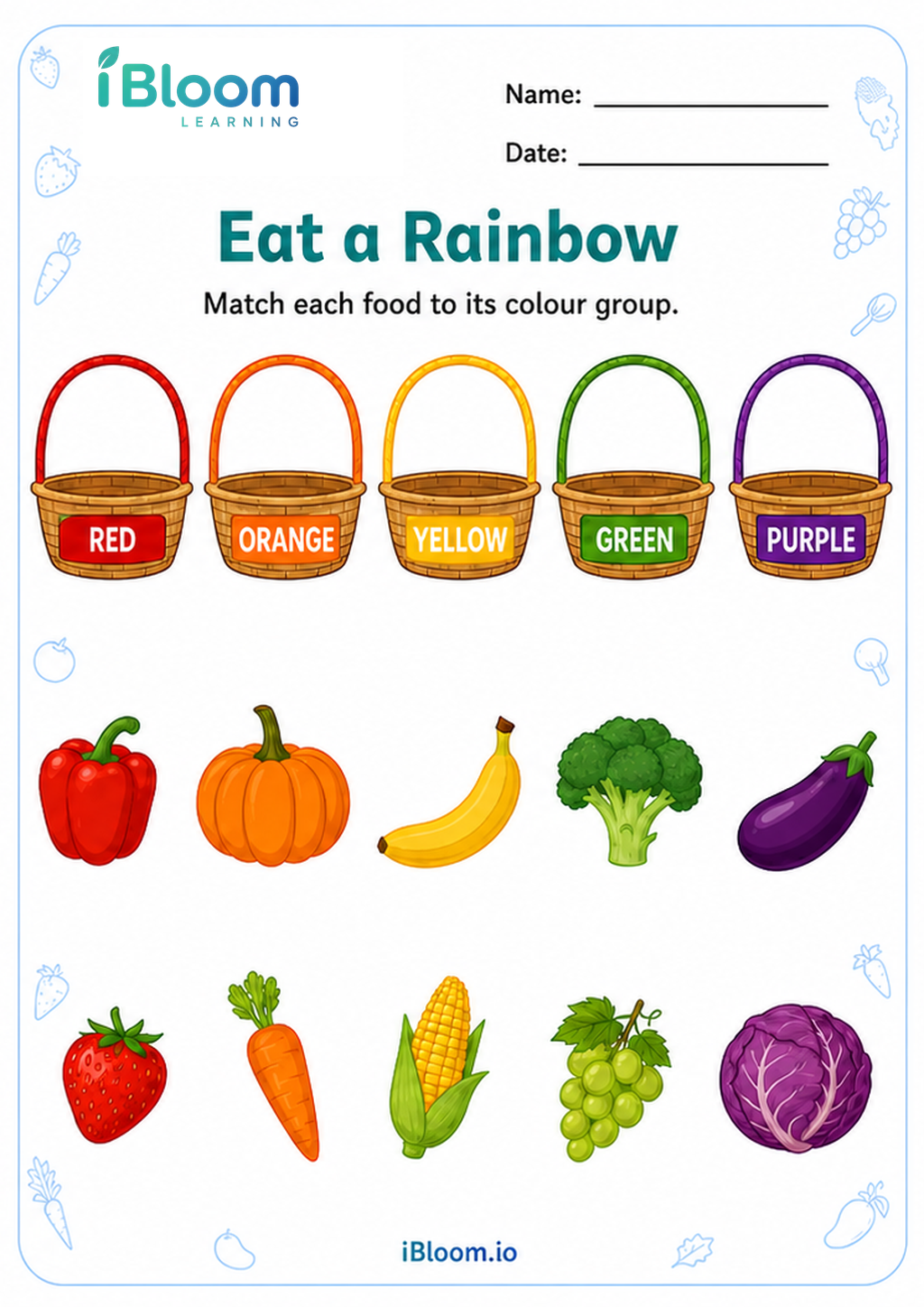 Eat a RainbowClass 1 printable practice for Fruits and Vegetables.Class 1Free PDF preview
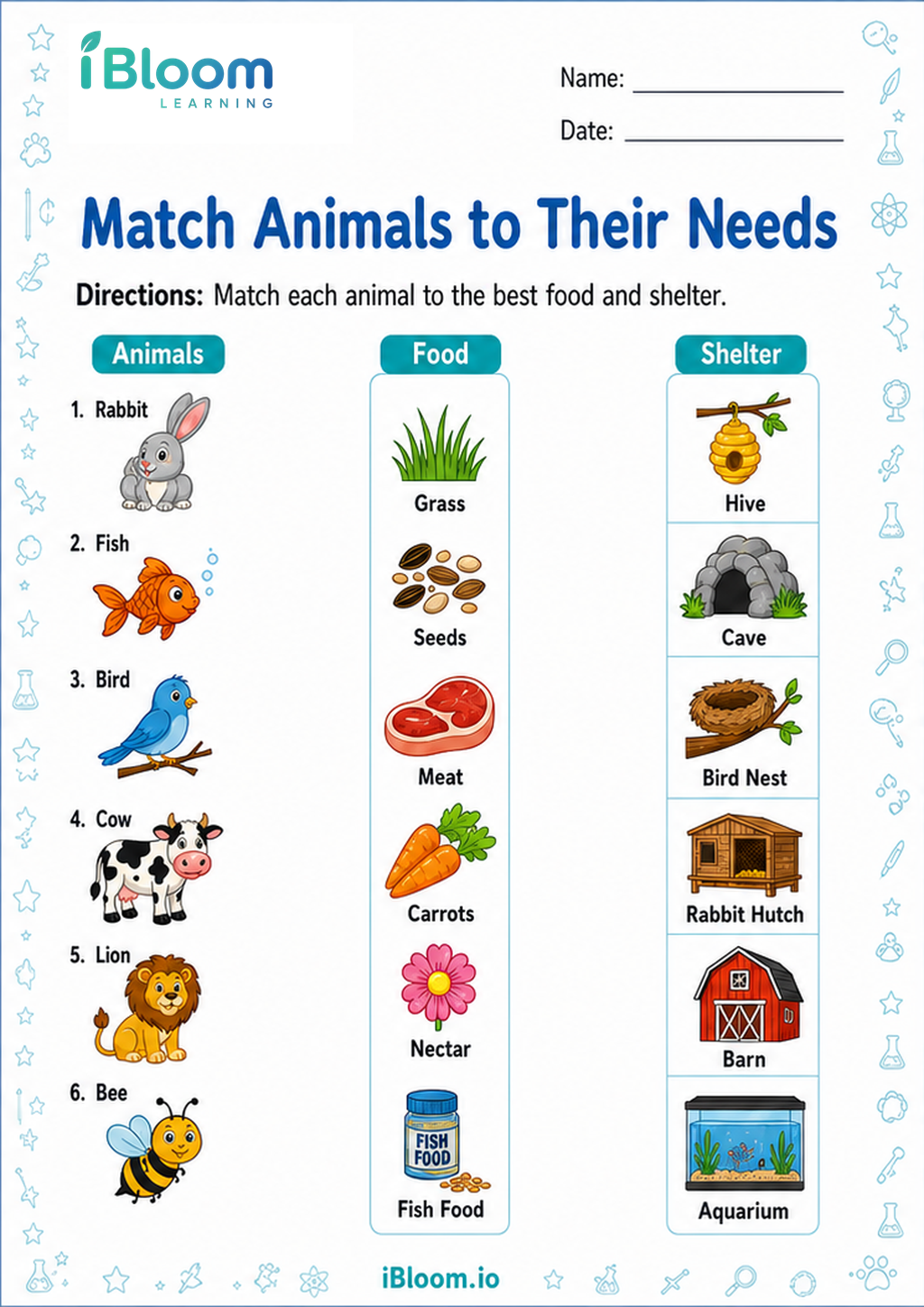 Match Animals to Their NeedsClass 2 printable practice for Animal Needs.Class 2Free PDF preview
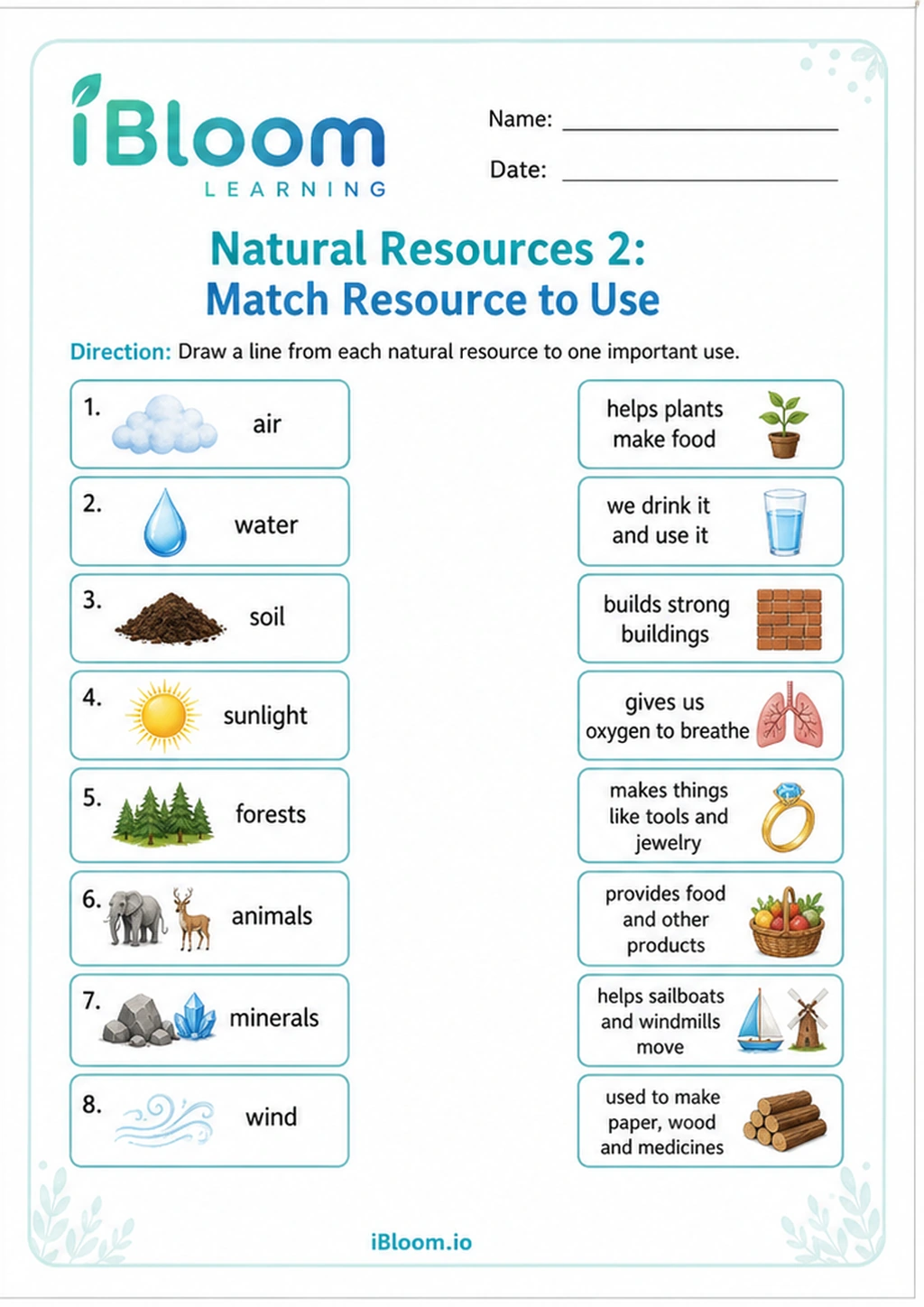 Natural Resources 2: Match Resource to UseClass 3 printable practice for Natural Resources.Class 3Free PDF preview
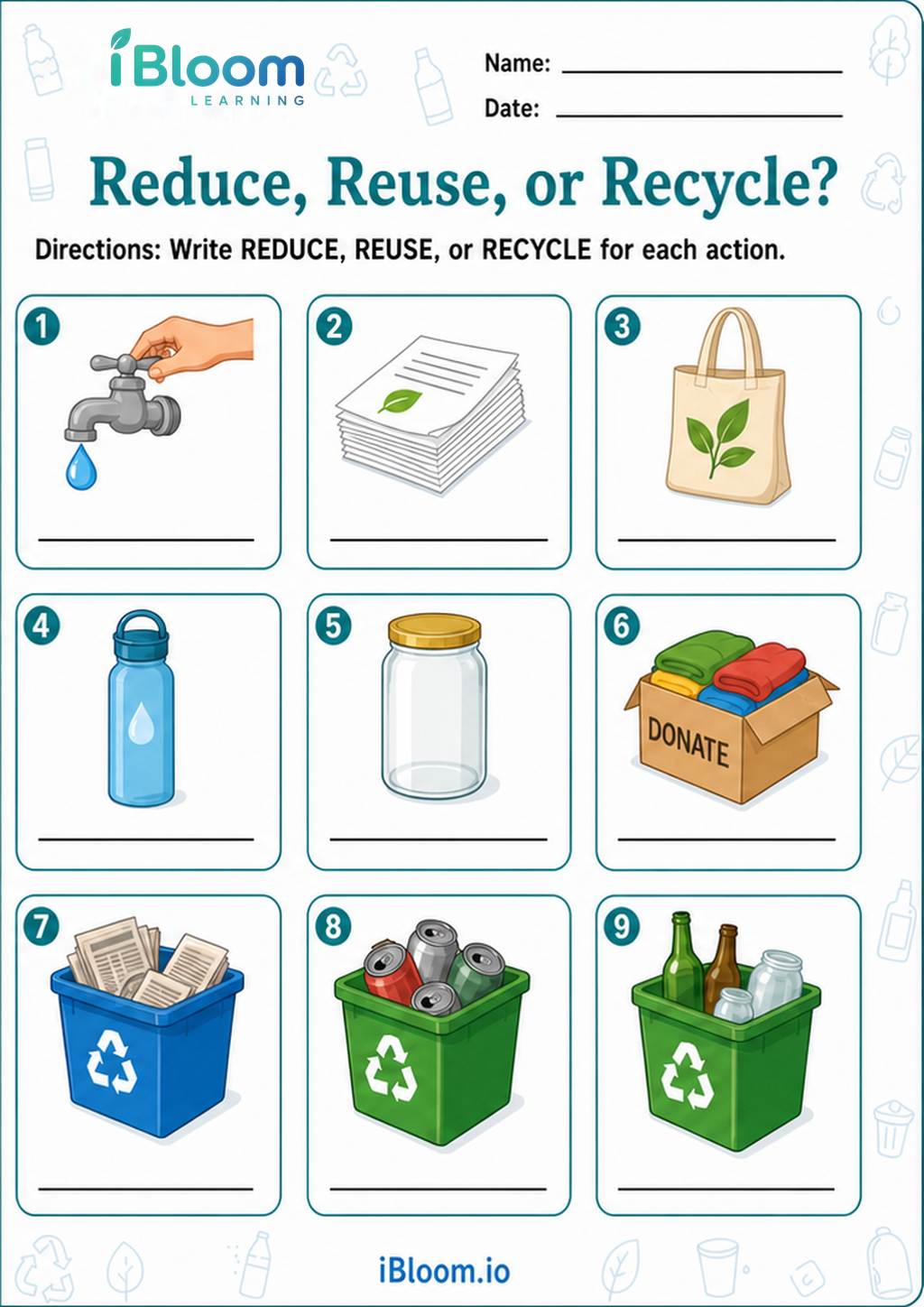 Reduce, Reuse, or Recycle?Class 2 printable practice for Our Environment.Class 2Free PDF preview
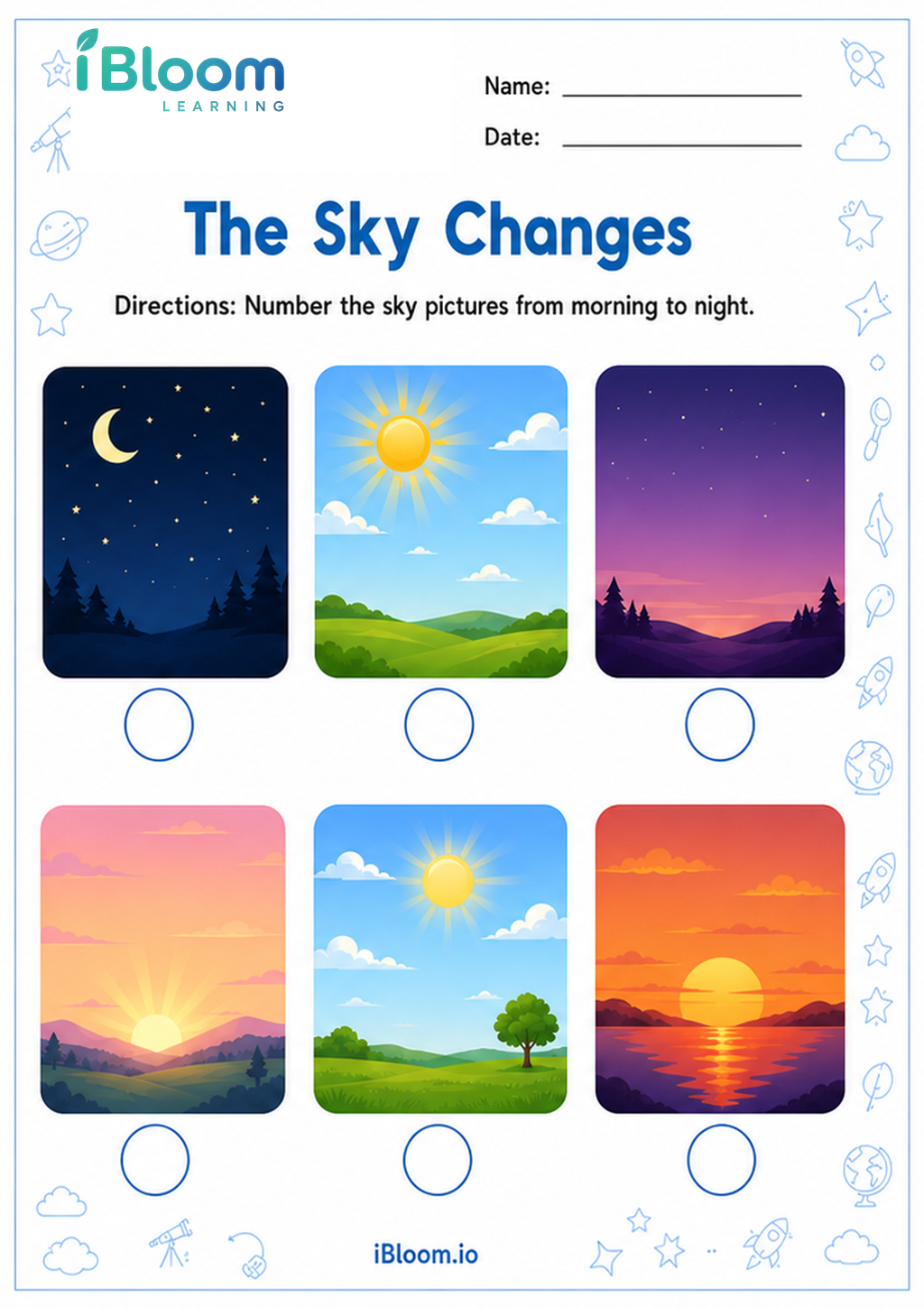 The Sky ChangesClass 1 printable practice for Day and Night.Class 1Free PDF preview
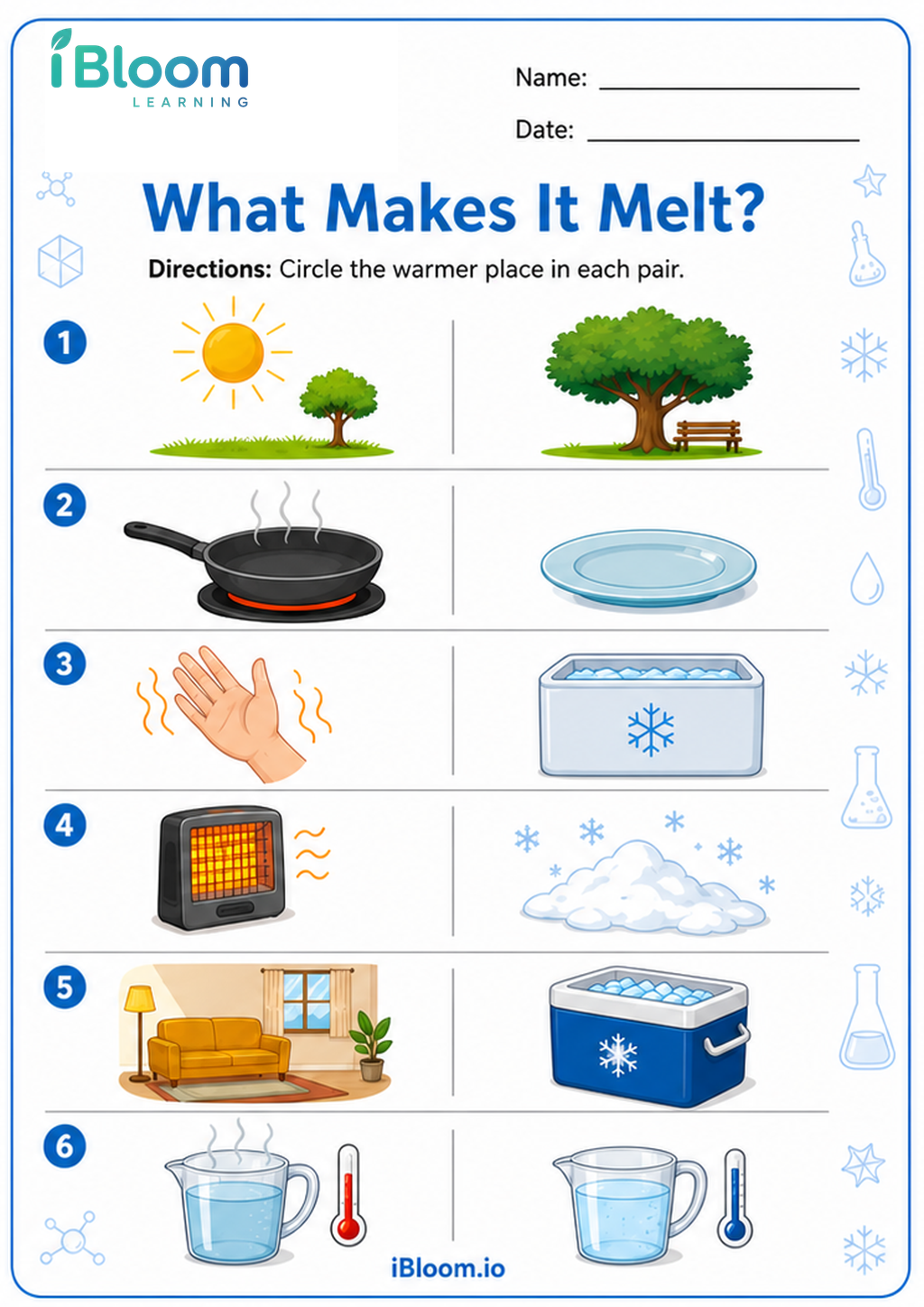 What Makes It Melt?Class 1 printable practice for Melting.Class 1Free PDF preview
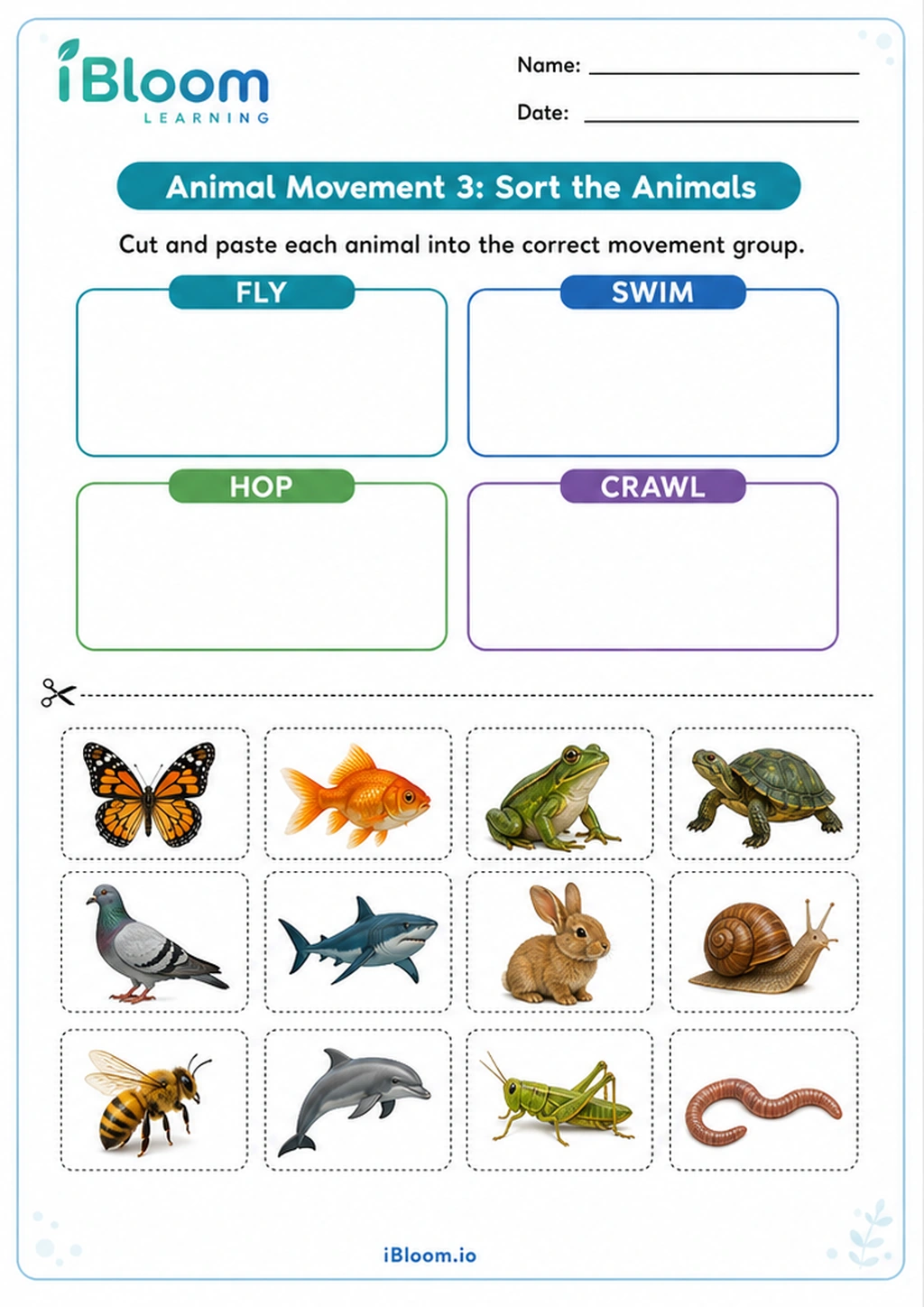 Animal Movement 3: Sort the AnimalsClass 1 printable practice for Animal Movement.Class 1Free PDF preview
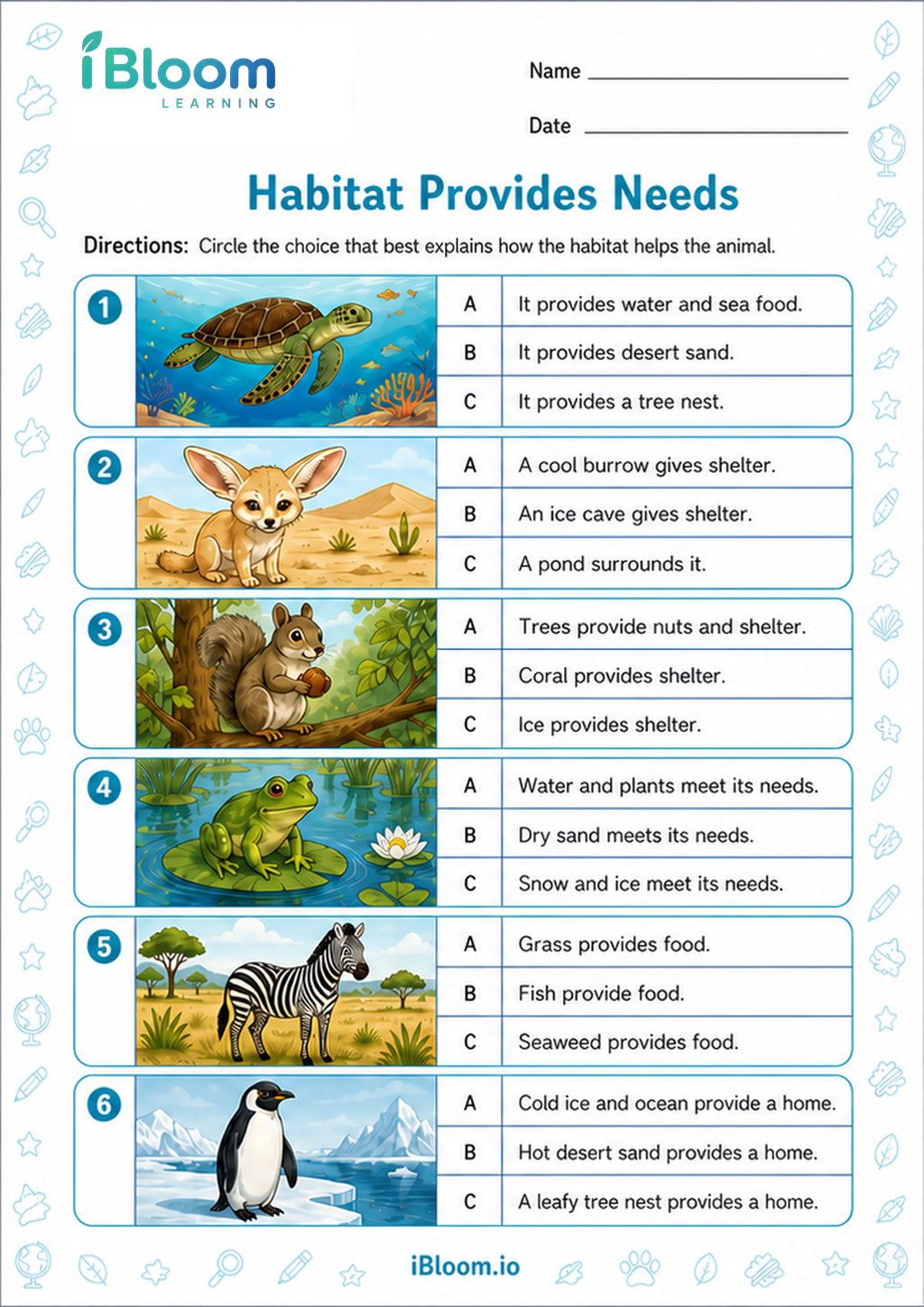 Habitat Provides NeedsClass 2 printable practice for Animal Needs.Class 2Free PDF preview
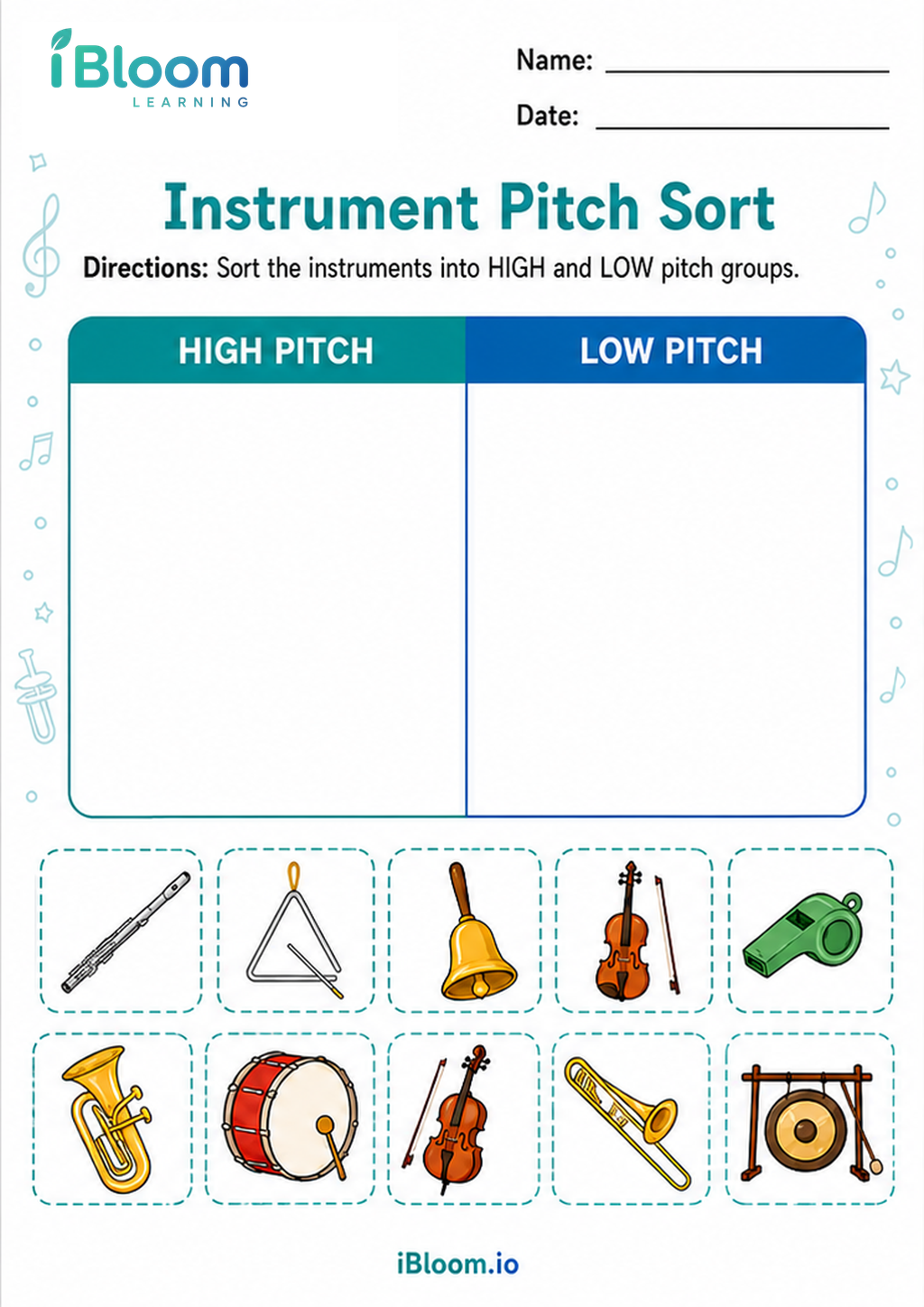 Instrument Pitch SortClass 1 printable practice for Sound Pitch.Class 1Free PDF preview
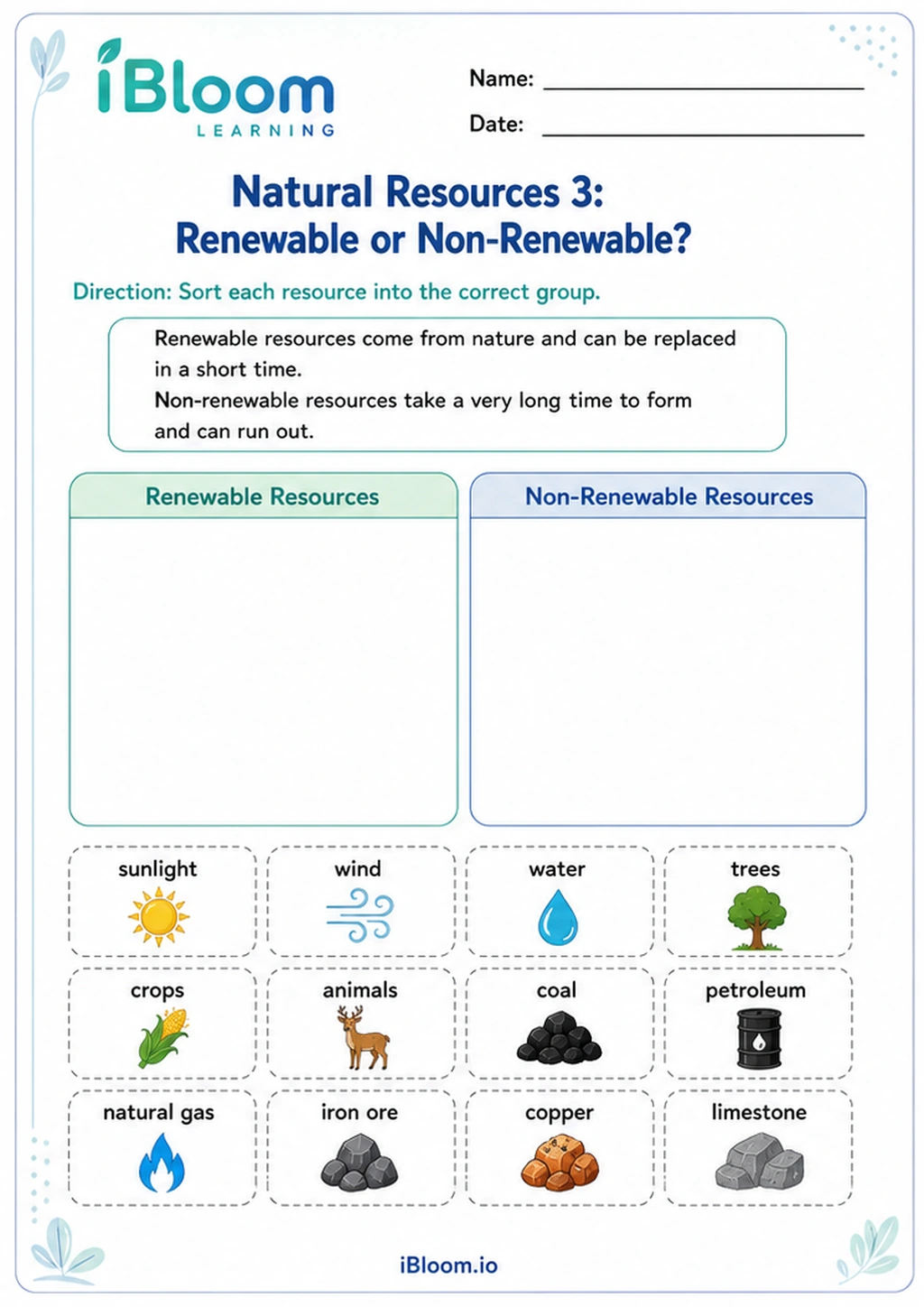 Natural Resources 3: Renewable or Non-Renewable?Class 3 printable practice for Natural Resources.Class 3Free PDF preview
Practice that builds confidence
What children learn in early Science and EVS
These Science and EVS worksheets help children in Classes 1, 2 and 3 notice the world around them, name what they see, and connect classroom ideas with daily life. Children practise observing, comparing, sorting, matching, labelling and answering simple questions about people, plants, animals, materials, places and the environment.
The printable activities include picture-based tasks, word banks, diagrams, short answer questions, true-or-false items, sequencing, classification charts and everyday examples. They are useful for revision, homework, classroom practice and concept reinforcement across early primary Science and EVS.
Science and EVS at this stage is about curiosity before heavy facts. In Class 1, children begin with familiar ideas such as body parts, sense organs, family, food, homes, plants, animals, cleanliness and safety. In Class 2, they add more comparison and vocabulary, such as needs of plants and animals, sources of water, weather, transport and community helpers. By Class 3, children handle longer observations, simple cause-and-effect questions, habitats, materials, directions, natural resources and care for the environment.

How the worksheets progress
The collection moves from picture recognition to independent thinking. A child may first match an animal to its home, then sort animals by food habits, and later explain why a fish cannot live on land. Similar progressions appear in plant parts, healthy habits, seasons, water use and safety rules. This helps children build concepts step by step instead of memorising isolated answers.
A simple parent routine
Choose one worksheet linked to a recent class lesson. Before writing, ask your child to point to real examples at home: a clean water source, a plant leaf, a safety sign, a food item or a material like wood, cloth or metal. Let the child complete the page, then discuss two answers aloud using full sentences such as “Plants need sunlight and water to grow.” Keep a small “new words” list for terms like roots, shelter, transport, recycle, sense organs and habitat.

Classroom uses for teachers
Teachers can use these printables for EVS warm-ups, group sorting tasks, notebook follow-up, assessment practice or revision before a class test. Picture cards and cut-and-paste style pages work well in centres, while short answer pages help children practise writing observations clearly. Mixed-topic worksheets are also useful for checking whether children can connect ideas across chapters.

Common errors to watch for
Children may confuse living and non-living things, call all insects “animals” but not classify them correctly, mix up sources and uses of water, or memorise safety rules without applying them to real situations. In diagrams, they may label plant parts in the wrong place or use vague words like “thing” instead of specific vocabulary. Encourage careful looking before answering.
Free printable PDF download
Use this Science and EVS worksheet page to preview the activity, print it, or download it as a PDF for quick practice. It works well for homework, homeschool lessons, tutoring, morning work, revision, and classroom centers.
Answers and answer key support
After the child completes the worksheet independently, parents and teachers can use the answer support or answer key information to check the work, review mistakes, and choose the next practice step.
Why iBloom worksheets help
iBloom worksheets are designed around early primary understanding, not just recall. The tasks use familiar Indian contexts, clear visuals and varied question types so children can observe, talk, write and revise. A child-friendly strategy is: look closely, say what you notice, choose the best word, then check if the answer makes sense in real life.
Helpful answers
Frequently asked questions
Which classes are covered in this Science and EVS collection?
This collection covers early primary Science and EVS practice for Class 1, Class 2 and Class 3, with age-appropriate picture tasks, vocabulary work and simple written questions.
What topics do these worksheets usually include?
The worksheets include common early EVS and Science themes such as body parts, sense organs, plants, animals, food, homes, water, air, weather, transport, safety, cleanliness and care for the environment.
Are these worksheets suitable for Indian school children?
Yes. The language, examples and class labels are suitable for Indian primary learners, and the activities connect Science and EVS concepts to familiar home, school and neighbourhood experiences.
How can I use these worksheets at home?
Use one worksheet after your child has studied the lesson in class. First discuss real examples, then let your child complete the page, and finally ask them to explain two or three answers in full sentences.
Do the worksheets focus more on memorising or understanding?
They support understanding through observation, matching, sorting, labelling, sequencing and short explanations, while also helping children remember important Science and EVS vocabulary.
Is this Science and EVS worksheet free?
Yes. You can preview it for free and use the printable worksheet for home or classroom practice.
Can I download this Science and EVS worksheet as a PDF?
Yes. Use the worksheet download option to save a printable PDF, or print the worksheet directly from the page.
Does this Science and EVS worksheet include answers or an answer key?
When the activity has fixed answers, iBloom includes answer support so parents and teachers can check the completed worksheet.