Free printable practice
World Records Practice Activities
Class 3 word search worksheets build vocabulary through a world records theme with record-related words and careful spelling practice.
Free printable worksheet PDFs
Preview every available page, then download the free worksheet PDF for home, homeschool, tutoring, or classroom practice.
Preview the exact activity before downloading it.
 Word Search: World Records — Recognise the SkillRecognise the Skill for word search: world records in Class 3. Find and circle one world-record word hidden in each letter row.Class 3Free PDF preview
 Word Search: World Records — Guided CompletionGuided Completion for word search: world records in Class 3. Complete each world-record word from a clue and word choices, then practise reading the finished words accurately.Class 3Free PDF preview
 Word Search: World Records — Sentence PracticeSentence Practice for word search: world records in Class 3. Read each world-record sentence and find and circle the target word accurately.Class 3Free PDF preview
 Word Search: World Records — Write and ApplyWrite and Apply for word search: world records in Class 3. Find and circle world-record words, then write each word in a meaningful sentence.Class 3Free PDF preview
 Word Search: World Records — Edit and CorrectEdit and Correct for word search: world records in Class 3. Read each world-record sentence, spot the mistake, and choose the correct spelling or punctuation.Class 3Free PDF preview
 Word Search: World Records — Mixed Review and ChallengeMixed Review and Challenge for word search: world records in Class 3. Find and circle world-record words hidden in letter strings, then tackle longer and reversed strings carefully.Class 3Free PDF preview
Practice that builds confidence
Vocabulary through a world records theme
These Class 3 vocabulary worksheets use a world records word search theme to make word learning active and memorable. Children scan the grid for words connected with amazing achievements, records, and comparisons.
The printable activities help learners notice spelling patterns, read words in different directions, and build vocabulary through a fun puzzle format. The theme encourages curiosity about words such as fastest, tallest, longest, champion, and record.
World records naturally introduce children to comparison words and achievement words. A Class 3 learner may meet terms linked to size, speed, distance, height, or success. The word search format keeps the task playful while still requiring close attention to letters and word shapes.

How word searches build reading skills
To find a word, children must read the target word, remember its spelling, and scan the grid carefully. They compare letter sequences from left to right, top to bottom, or diagonally if included. This strengthens visual discrimination, spelling memory, and concentration.
Connecting words to meaning
After finding a word such as tallest or fastest, ask the child to use it in a sentence: “The tallest building is very high” or “The fastest runner won the race.” This moves the activity beyond circling letters and helps vocabulary become usable in speaking and writing.
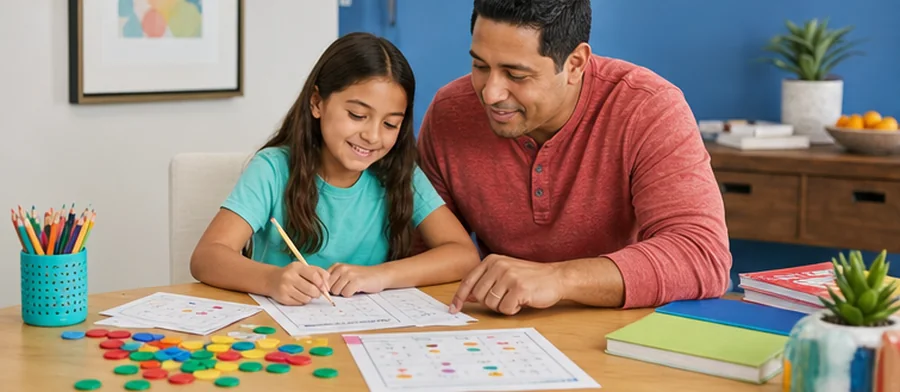
A parent routine at home
Before the worksheet, read the word list together and discuss any unfamiliar words. Let your child find three easy words first to build confidence. After the puzzle, choose two words and ask, “What kind of record could use this word?” This turns the worksheet into a short vocabulary conversation.
Classroom uses for teachers
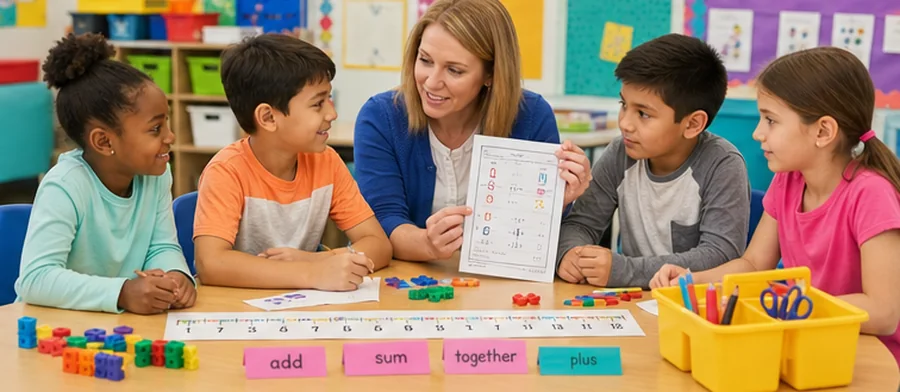
Teachers can use these worksheets as vocabulary warm-ups, early finisher tasks, spelling practice, or a centre activity during a theme on facts, achievements, or general knowledge. They also work well before a short speaking activity where children describe an imaginary world record.
Free printable PDF download
Use this Class 3 world records word search worksheet page to preview the activity, print it, or download it as a PDF for quick practice. It works well for homework, homeschool lessons, tutoring, morning work, revision, and classroom centers.
Answers and answer key support
After the child completes the worksheet independently, parents and teachers can use the answer support or answer key information to check the work, review mistakes, and choose the next practice step.
Why iBloom worksheets help
The iBloom word searches are designed around one clear theme, so children connect related words instead of memorising random spellings. Watch for common errors such as circling only part of a word, confusing similar letters, or skipping the word list. A child-friendly strategy is: “Read the word, find the first letter, check each next letter.”
Helpful answers
Frequently asked questions
What vocabulary theme do these worksheets use?
They use a world records theme, with words related to achievements, comparisons, speed, height, size, and records.
How does a word search improve vocabulary?
Children repeatedly read and locate target words, which supports spelling memory and helps them recognise the words more confidently.
Should children know the meanings before starting?
It helps to quickly read the word list together and explain unfamiliar words, but the puzzle itself can also introduce new vocabulary.
Can this be used in a Class 3 classroom centre?
Yes. It works well as an independent vocabulary centre, early finisher task, or follow-up to a discussion about amazing records.
What should I do after my child finishes the word search?
Ask your child to choose a few words and use them in sentences about real or imaginary world records.
Is this Class 3 world records word search worksheet free?
Yes. You can preview it for free and use the printable worksheet for home or classroom practice.
Can I download this Class 3 world records word search worksheet as a PDF?
Yes. Use the worksheet download option to save a printable PDF, or print the worksheet directly from the page.
Does this Class 3 world records word search worksheet include answers or an answer key?
When the activity has fixed answers, iBloom includes answer support so parents and teachers can check the completed worksheet.