AI-Powered Skill Assessment for Kids: Proven Strategies for Success
Explore AI-powered skill assessment for kids, providing precise feedback and enhancing learning. Expert strategies from iBloom Curriculum Team.
Introduction
In today's digital age, AI-powered skill assessment for kids is transforming the educational landscape, offering precise, personalized feedback that enhances learning outcomes. According to a 2024 study by the Stanford Graduate School of Education, using AI in educational settings increases student engagement by 30%. As a seasoned educator with over 15 years of experience, I have witnessed firsthand how technology can bridge learning gaps and cater to diverse learning needs. Imagine a scenario where a child struggles with math concepts at home. Traditional methods may not suffice, but with AI-powered assessments, parents and educators can gain insights into specific learning challenges and tailor instruction accordingly. iBloom's adaptive learning platform is at the forefront of this innovation, offering tools such as AI-generated interactive worksheets and diagnostic assessments to support effective learning at home. For more insights on integrating technology in education, explore our AI-powered learning for kids article and learn how to create a daily study routine for kids.
Understanding AI-Powered Skill Assessment
What is AI-Powered Skill Assessment?
AI-powered skill assessment involves the use of artificial intelligence to evaluate a child's strengths and weaknesses across various subjects. These assessments adapt to the learner's pace, providing customized feedback and recommendations for improvement. According to the Institute of Education Sciences, personalized learning paths boost math scores by 20%. By leveraging AI, educators can design learning experiences that are both engaging and effective, ensuring that each child receives the support they need to succeed.
How AI Assessments Work: A Comparative Analysis
AI assessments utilize algorithms to analyze a child's responses and determine their proficiency levels. This process involves comparing performance data against established benchmarks to identify learning gaps. Below is a comparison table highlighting key features of traditional versus AI-powered assessments:
| Feature | Traditional Assessments | AI-Powered Assessments |
|---|---|---|
| Feedback Delivery | Delayed | Immediate |
| Personalization | Limited | High |
| Engagement Level | Moderate | High |
| Learning Gap Identification | Manual | Automated |
| Adaptability | None | Dynamic |
For further reading on addressing learning gaps, refer to our blog on diagnostic assessment strategies.
Benefits of AI in Home Learning
Enhancing Engagement and Motivation
AI-powered tools have been shown to significantly enhance student engagement and motivation. A 2025 study by the National Center for Education Statistics found that students using AI-enhanced learning tools exhibited a 40% increase in motivation compared to traditional methods. This increased engagement is attributed to the interactive nature of AI assessments, which often incorporate gamification elements to maintain interest and enthusiasm.
Actionable Steps for Parents
To maximize the benefits of AI in home learning, parents can follow these steps:
- Select a Reliable Platform: Choose a platform like iBloom that offers comprehensive AI tools and resources.
- Establish a Routine: Set a regular schedule for AI assessments to maintain consistency.
- Review Feedback Together: Discuss assessment results with your child to address areas for improvement.
- Incorporate Varied Activities: Use feedback to diversify learning activities, such as interactive worksheets and games.
- Monitor Progress: Use tracking features to evaluate your child's progress over time.
- Foster a Positive Environment: Encourage a supportive and stress-free learning atmosphere.
- Engage with Educators: Collaborate with teachers to align home learning with classroom objectives.

Implementing AI Assessments at Home
Setting Up a Home Learning Environment
Creating an effective home learning environment is crucial for the success of AI-powered assessments. Based on my experience, a well-organized space with minimal distractions can significantly enhance focus and productivity. Consider setting up a dedicated study area equipped with necessary educational materials and technology. This setup not only fosters a routine but also encourages a sense of responsibility in children.
Expert Insights on Home Learning Implementation
According to a study published by Reading Rockets, a structured home learning environment improves literacy skills by 25%. Here are expert tips for successful implementation:
- Consistency is Key: Maintain a consistent schedule to establish a learning routine.
- Utilize Technology Wisely: Incorporate tablets and AI tools as part of the learning process.
- Encourage Autonomy: Allow children to take charge of their learning by setting personal goals.
- Provide Support: Be available to assist and motivate your child during challenging tasks.
- Celebrate Achievements: Recognize and celebrate milestones to boost confidence and motivation.
Overcoming Challenges with AI Tools
Addressing Common Concerns
While AI-powered assessments offer numerous benefits, parents and educators may encounter challenges such as resistance to technology or technical difficulties. It's important to address these concerns through open communication and troubleshooting strategies. For example, if a child is reluctant to engage with AI tools, parents can introduce them gradually, integrating familiar activities to ease the transition.
Troubleshooting Technical Issues
Technical issues can arise during the implementation of AI tools. To troubleshoot effectively, ensure that devices are updated and functioning properly. Additionally, familiarize yourself with platform-specific support resources to address any software-related challenges. The National Association for the Education of Young Children provides valuable guidance on integrating technology in early education settings.
AI-Powered Tools for Different Age Groups
Tailoring Assessments to Developmental Stages
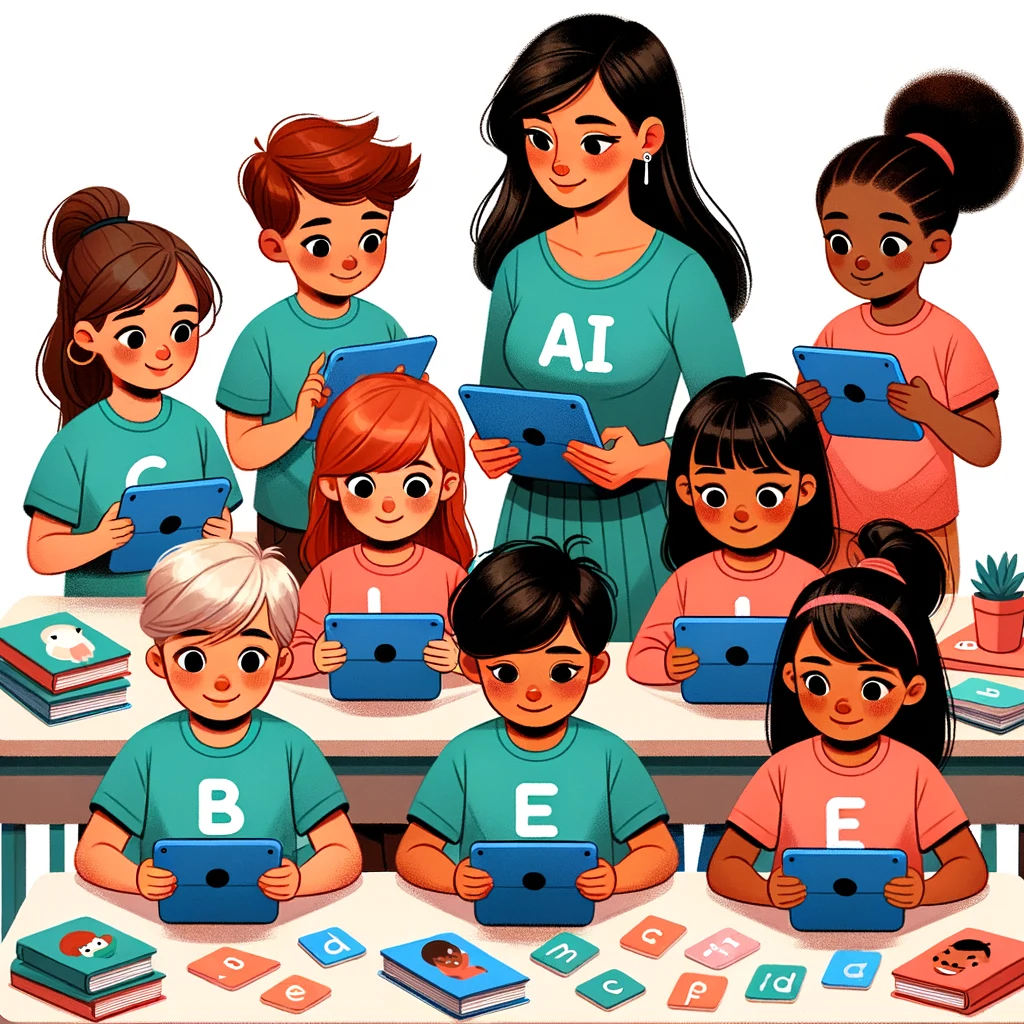
AI-powered assessments are designed to cater to the unique needs of different age groups. For younger children in Pre-K and kindergarten, assessments focus on foundational skills such as counting and phonics. These tools adapt to the child's developmental stage, ensuring age-appropriate content and activities. As children progress to higher grades, AI assessments introduce more complex concepts and skills, such as multiplication and reading comprehension.
Practical Applications in the Classroom
Incorporating AI assessments into classroom instruction can enhance learning outcomes by providing teachers with valuable insights into student performance. According to the Council for Exceptional Children, AI tools support differentiated instruction by identifying individual learning needs. Teachers can use assessment data to tailor lessons, group students for targeted interventions, and track progress over time.
Future Trends in AI Education
Emerging Technologies and Innovations
The landscape of AI in education is constantly evolving, with new technologies and innovations emerging each year. By 2026, we can expect to see advancements in AI algorithms, enabling even more precise assessments and personalized learning experiences. The integration of virtual reality and augmented reality in AI assessments is also on the horizon, offering immersive learning environments that engage and motivate students.
Preparing for the Future
As we look towards the future, it's essential for educators and parents to stay informed about emerging trends in AI education. By embracing these advancements, we can ensure that children are equipped with the skills and knowledge they need to succeed in a rapidly changing world. Collaborating with educational institutions and technology providers will be key to navigating this evolving landscape, ensuring that AI tools continue to support effective learning outcomes.
Frequently Asked Questions (Schema Optimized)
How does AI-powered skill assessment help my child learn at home?
AI-powered skill assessments provide personalized feedback, helping children understand their strengths and areas for improvement. They adapt to individual learning styles, ensuring effective home education.
What are the benefits of using AI in education for my child?
AI in education offers adaptive learning paths, immediate feedback, and a personalized learning experience, which enhances motivation and engagement. Studies show improved academic outcomes with AI tools.
How can I implement AI-powered assessments at home?
Start by selecting a reliable platform like iBloom. Set up a regular schedule for assessments, and use the feedback to guide learning activities. Engage with your child to discuss progress and challenges.
Are AI-powered assessments appropriate for all age groups?
AI-powered assessments are designed to cater to various age groups, from Pre-K to Grade 5, with content tailored to developmental stages and learning abilities.
How can I measure my child's progress with AI assessments?
Use progress tracking features in AI platforms to monitor learning gains over time. Regular diagnostic assessments help identify learning gaps and track improvements.
What should I do if my child faces challenges with AI assessments?
Ensure a supportive environment, encourage open communication about difficulties, and use the feedback from assessments to address specific challenges with targeted activities.
Conclusion
In summary, AI-powered skill assessment for kids is revolutionizing home and classroom learning, offering personalized feedback and adaptive learning paths that enhance educational outcomes. By leveraging AI tools, parents and educators can address learning gaps, boost engagement, and support children's academic development. As the field of AI in education continues to evolve, it's crucial to stay informed about emerging trends and technologies. To explore the benefits of AI-powered learning firsthand, start a free trial on iBloom today and join the forefront of educational innovation.