
About this worksheet
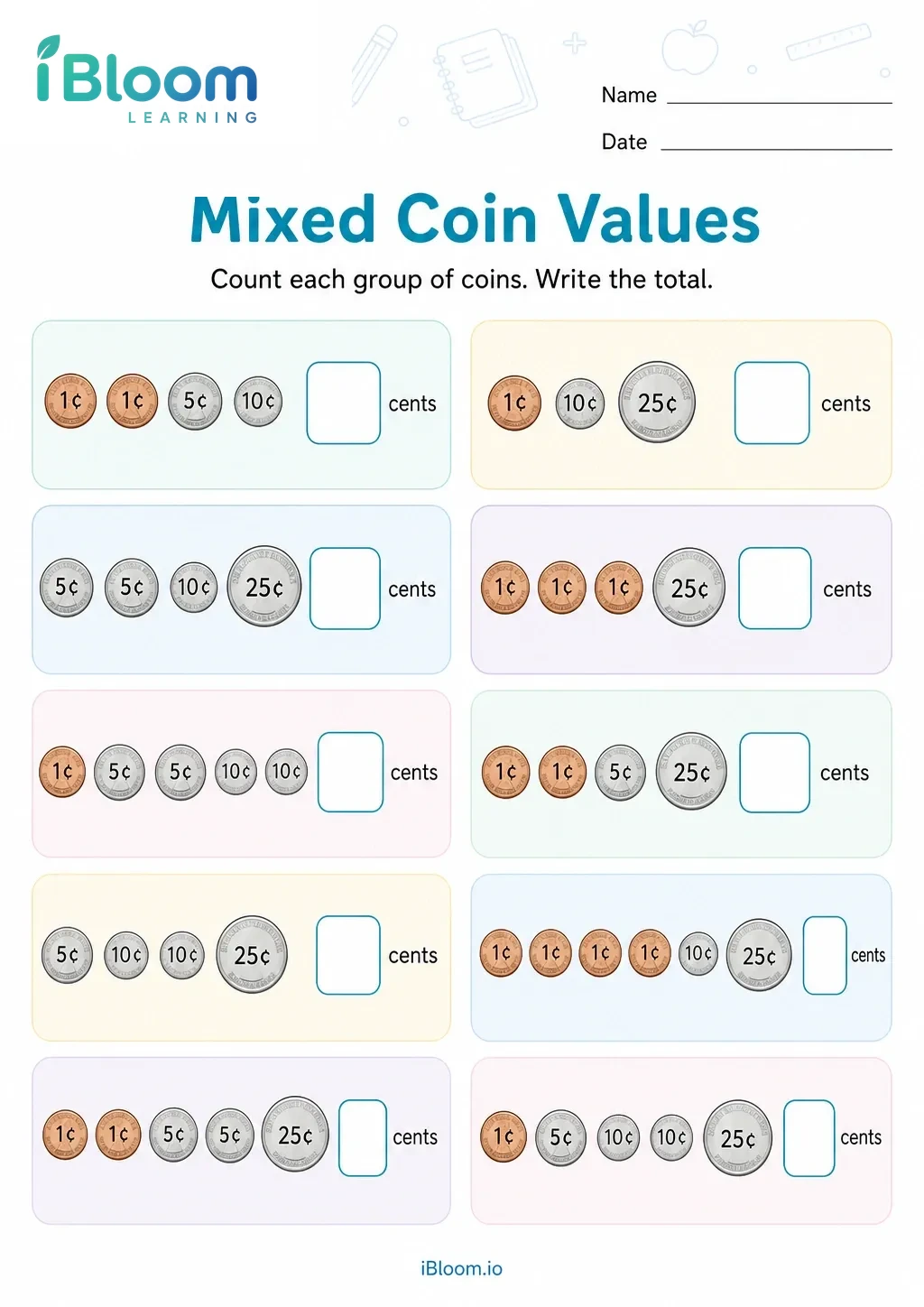
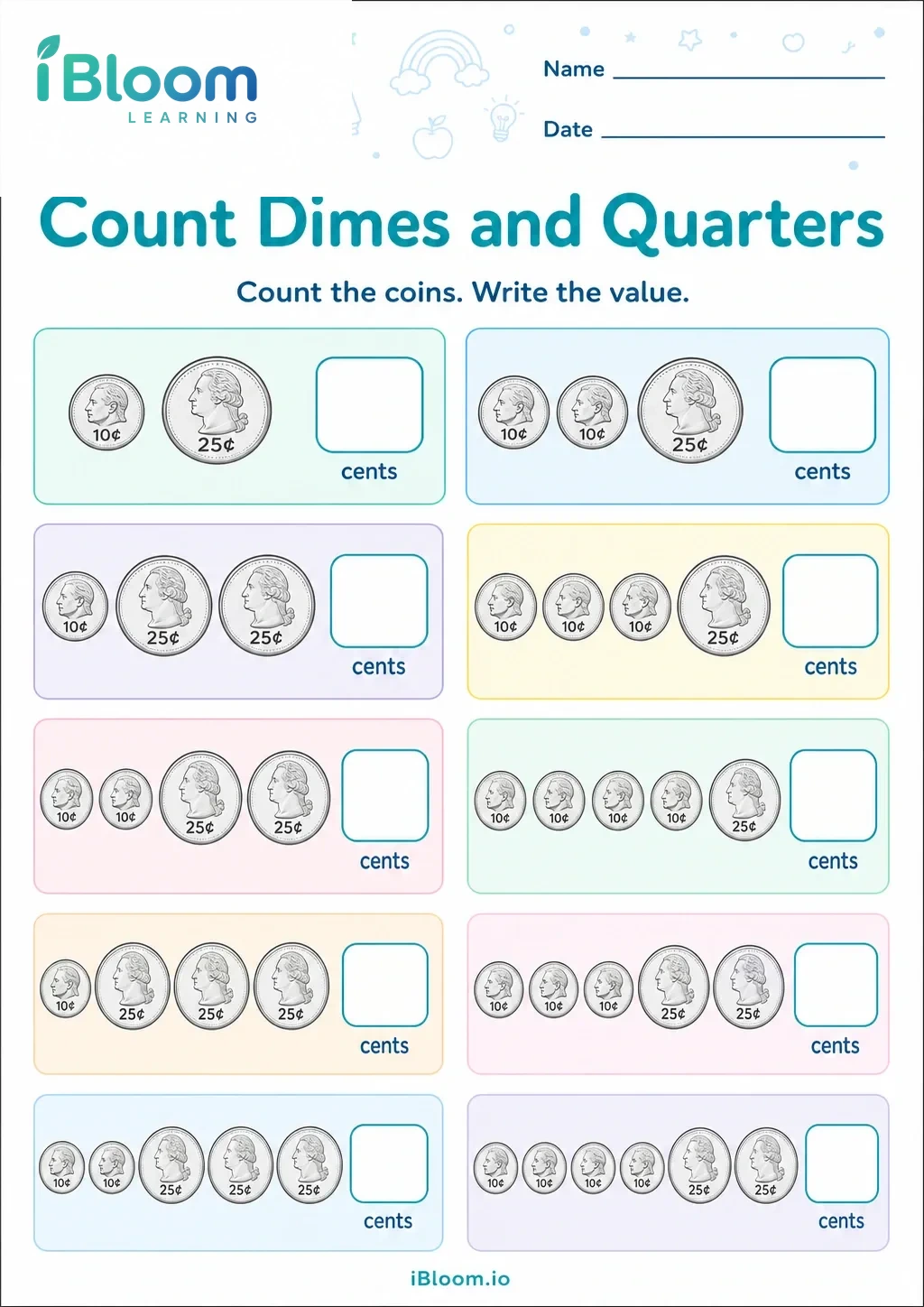
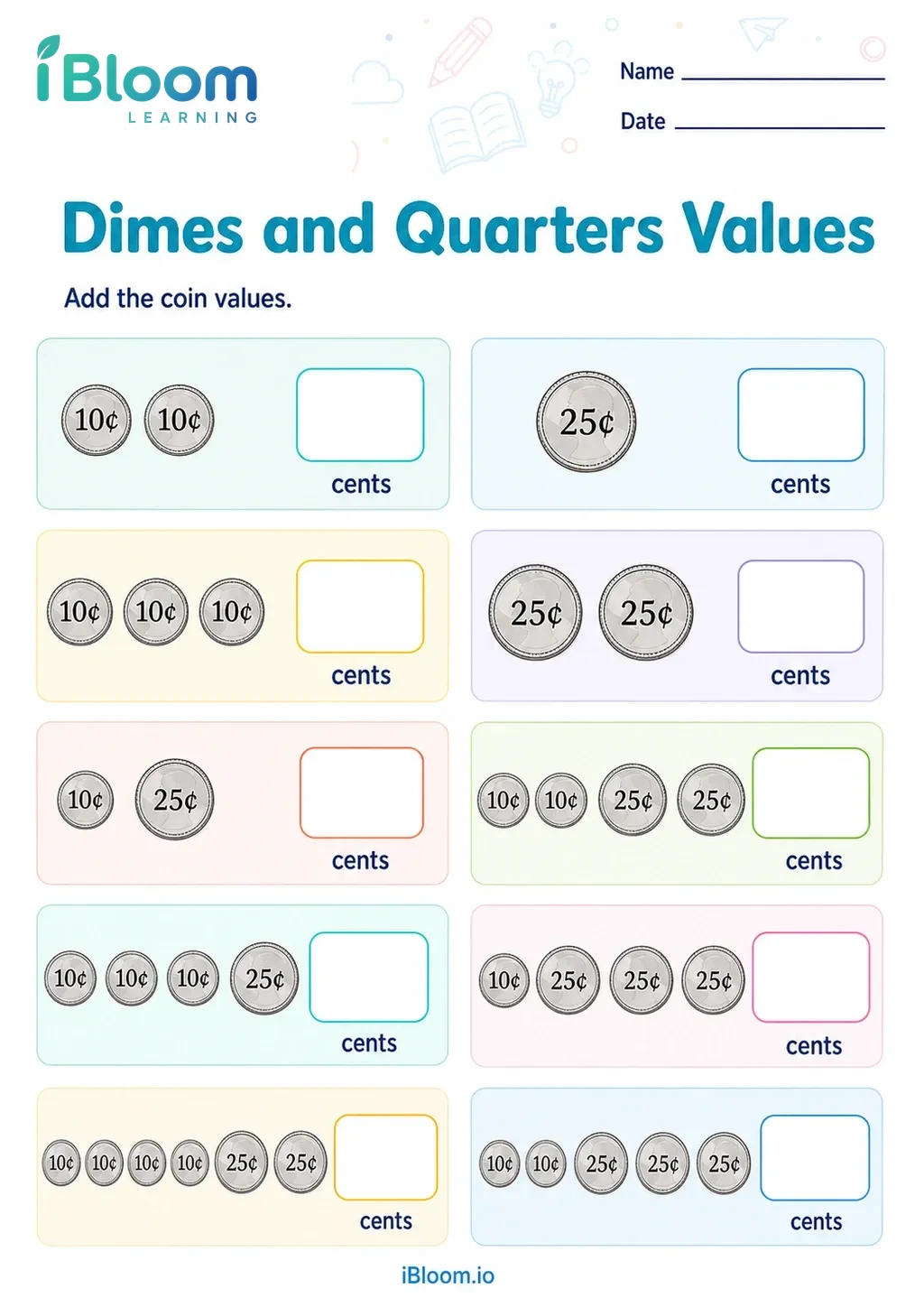
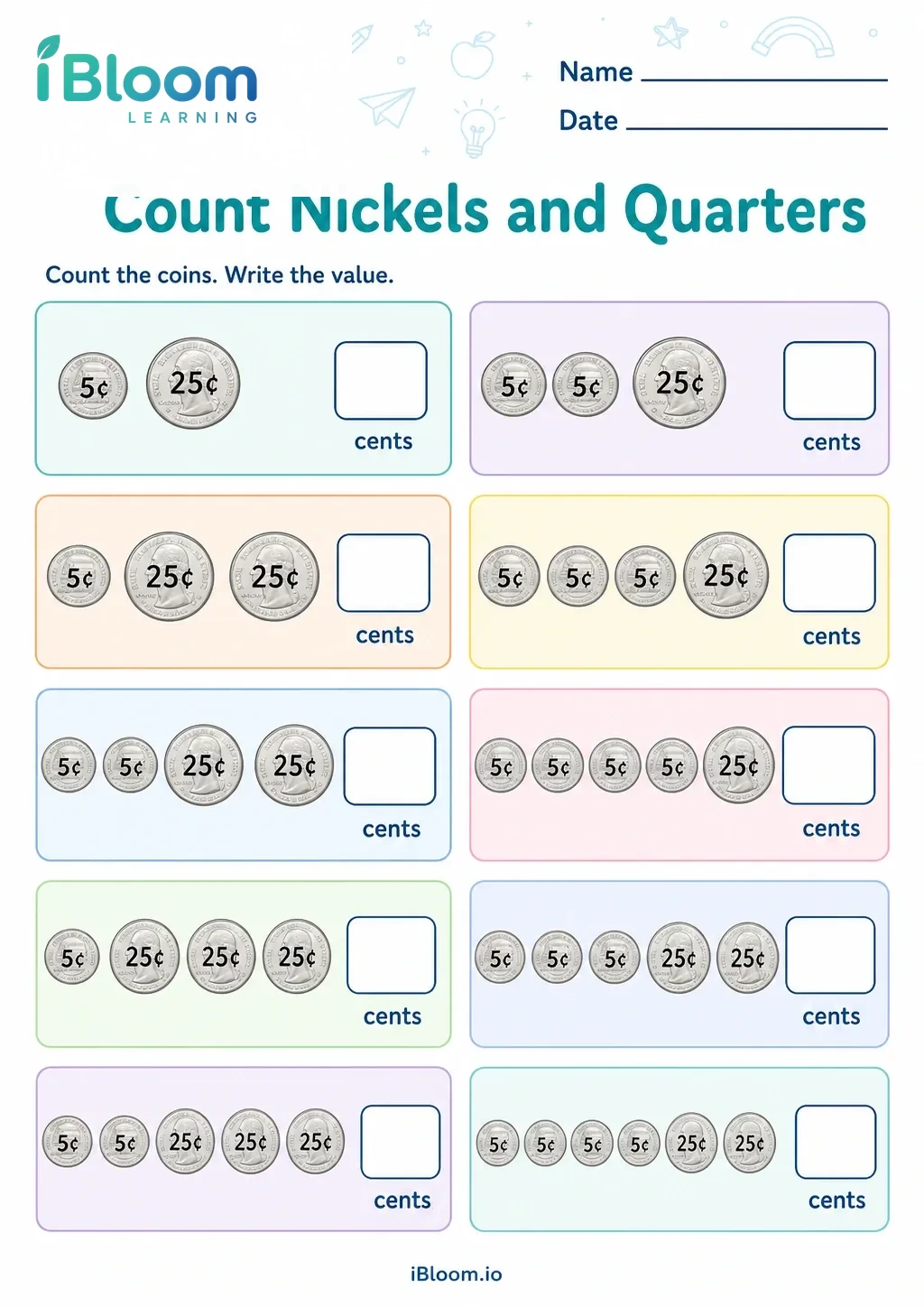
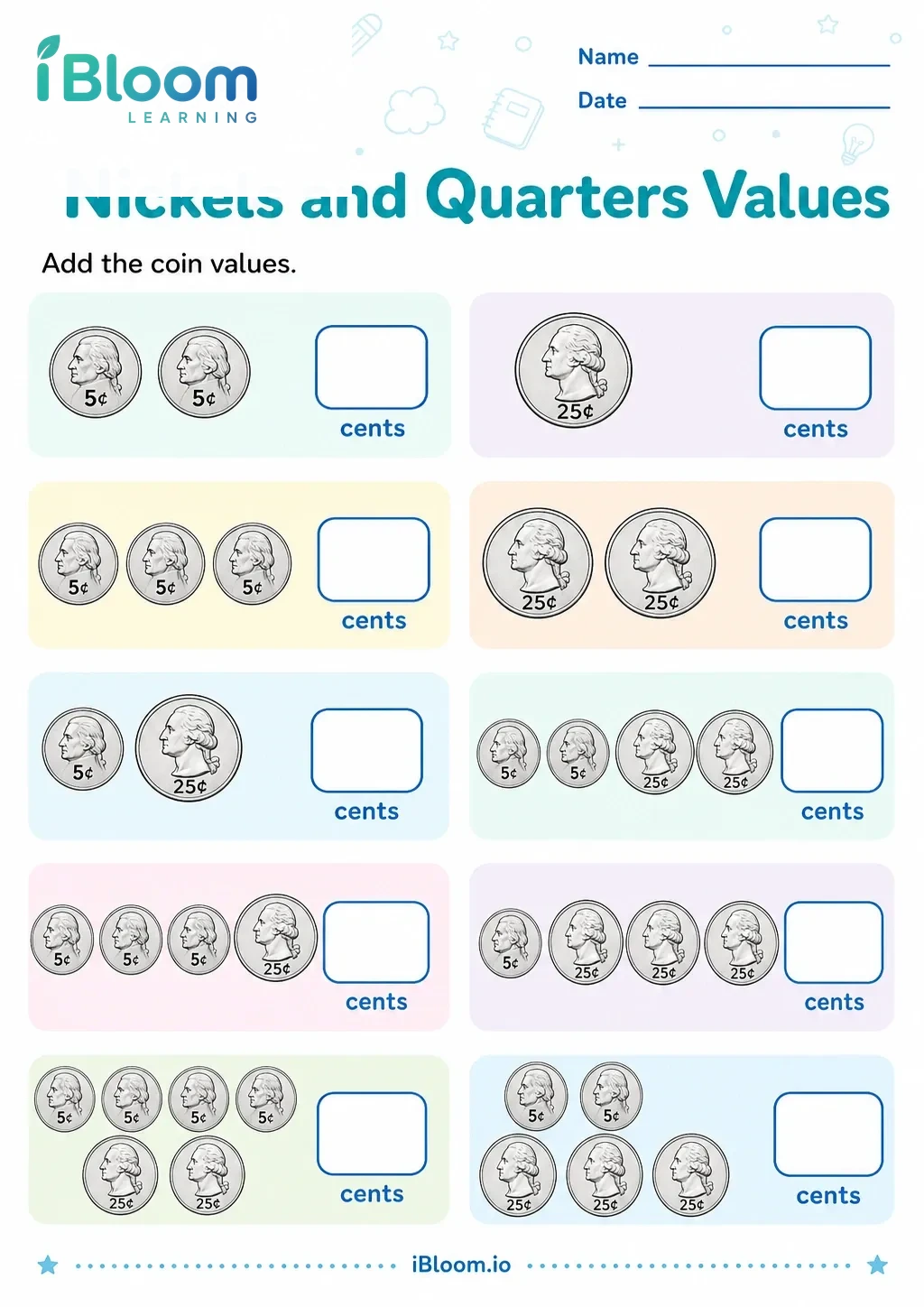
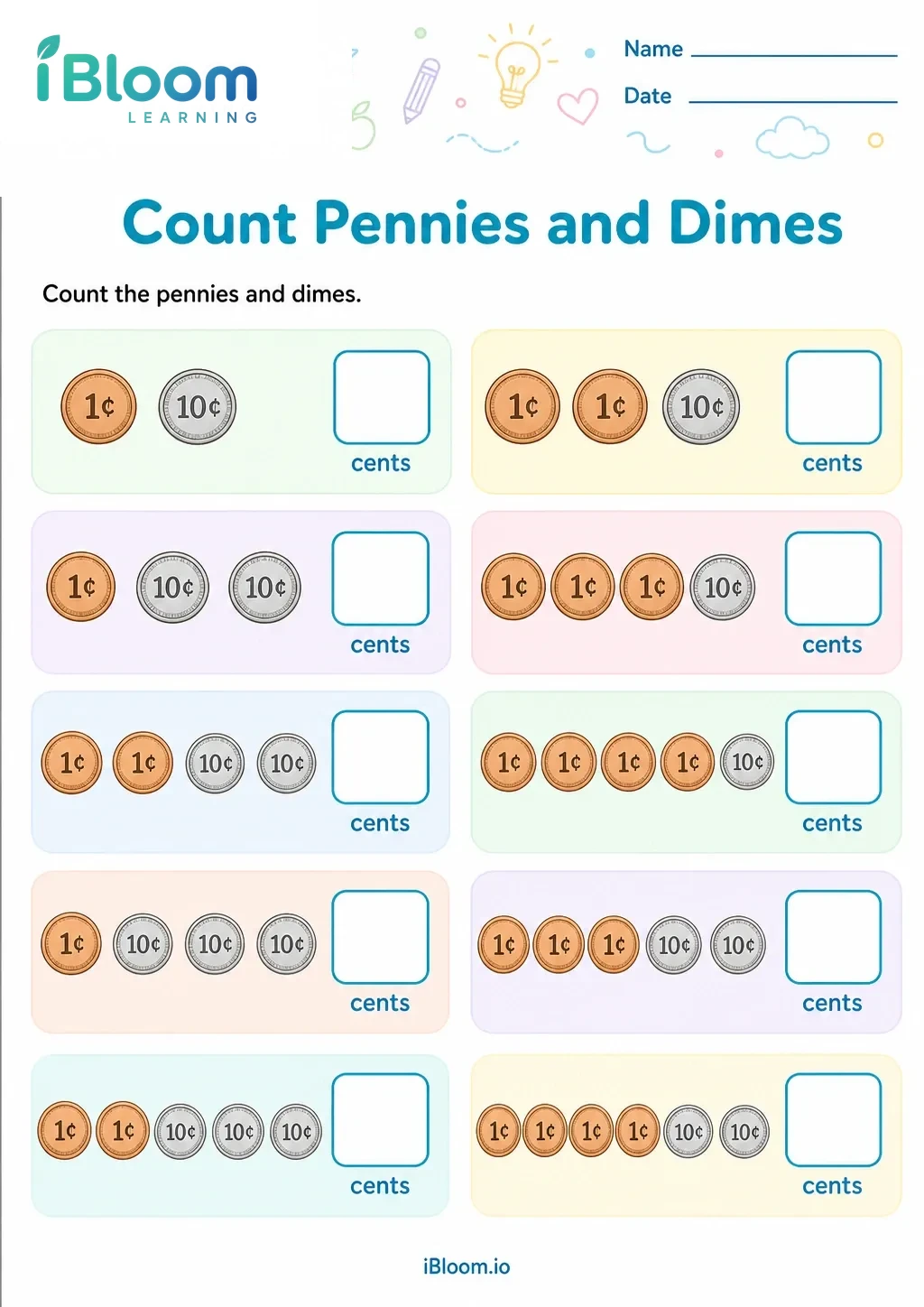
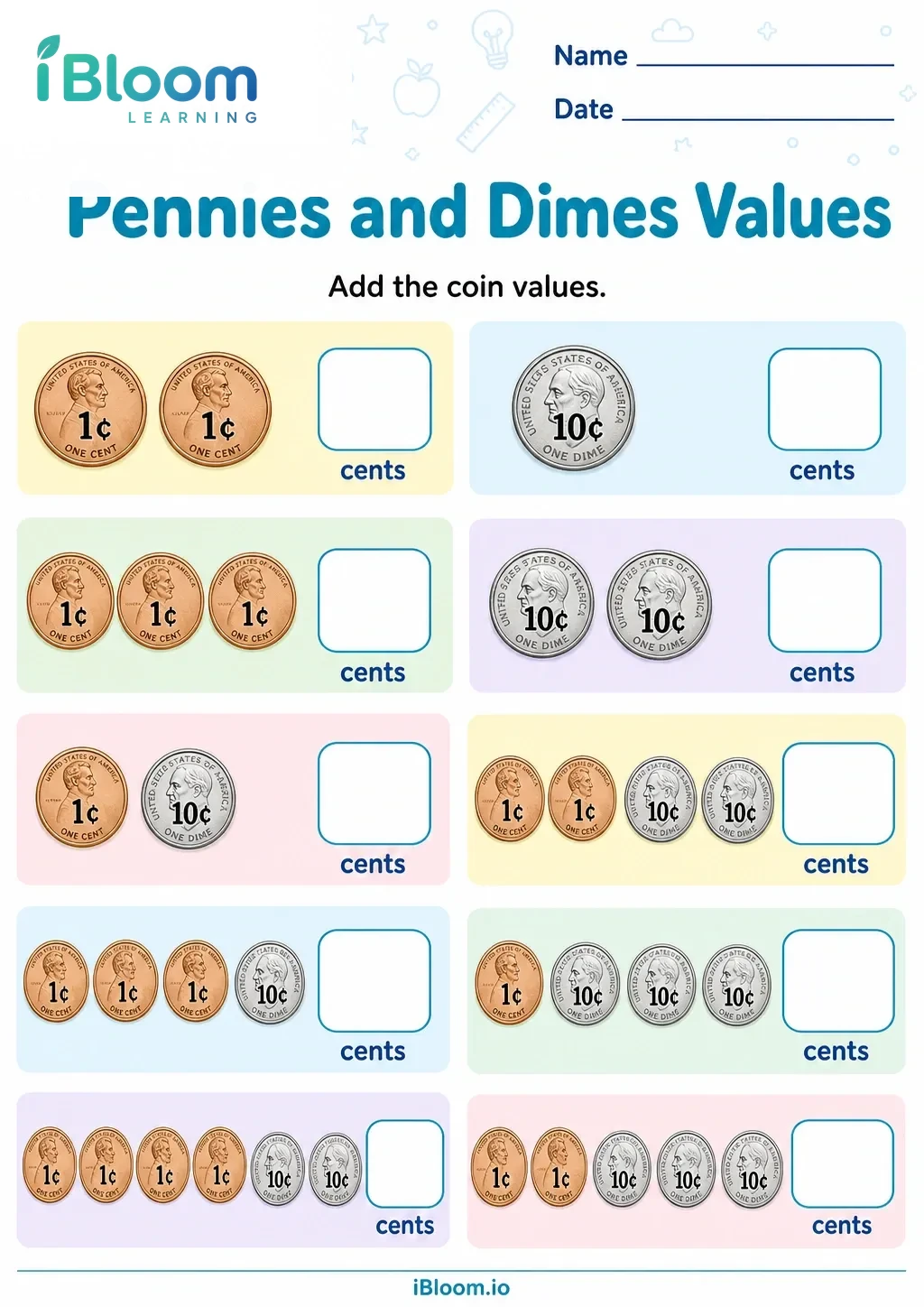
This printable uses pictures of pennies, nickels, dimes, and quarters so students can name each coin and count its value. The 14 sets grow from two coins to a few more coins, and every answer is written in cents. The page is labeled Grade 2 because mixed-coin totals with quarters practice the Grade 2 money-counting standard. A separate answer key gives each total.
Aligned to 2.MD.C.8
How much is each coin worth?
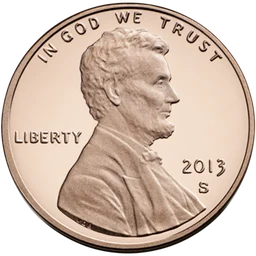
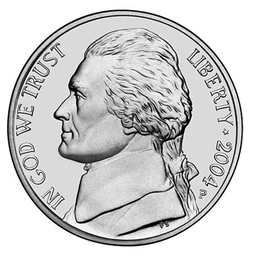
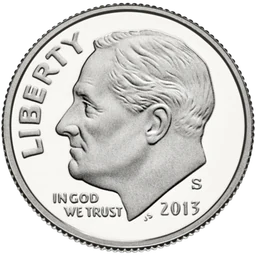
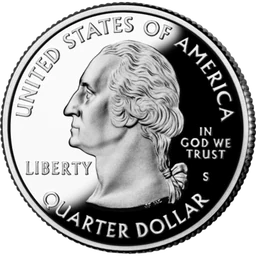
A penny is 1 cent, a nickel is 5 cents, a dime is 10 cents, and a quarter is 25 cents. Name the coins before adding so you do not count every coin as one.
- 1Penny = 1¢; nickel = 5¢
- 21¢ + 5¢ = 6¢
How can you count a mixed set?
Start with the coin worth the most, then count on by the value of each remaining coin. Keep track of each coin once and write the total in cents. The questions show each coin set as a picture.
How do you check the total?
Repeat the count in a different order or add the values again. If you start with a quarter, say 25, then add the dimes, nickels, and pennies. Check that the answer is less than one dollar.
How to use this worksheet
- 1Name each coin in the picture.
- 2Say or write its value in cents.
- 3Start with the greatest value and count on.
- 4Check that every pictured coin was counted once.
- 5Write the total as a number of cents.
Mistakes to watch for
The mistake
Counting every coin as one cent.
The fix
Use the coin value: 1¢, 5¢, 10¢, or 25¢.
The mistake
Counting a nickel as 10 cents.
The fix
A nickel is 5 cents; a dime is 10 cents.
The mistake
Skipping a coin while counting on.
The fix
Touch or point to each coin once as you add its value.
Common Core alignment
Students solve money problems by identifying coin values and finding totals in cents.
Solve money word problems using dollar bills and common US coins.
On this sheet: Students identify the four coin values and find each pictured set total in cents.
Show the official wordingHide the official wording
Solve word problems involving dollar bills, quarters, dimes, nickels, and pennies, using $ and ¢ symbols appropriately.
What to practice next
Make more practice
Further reading
Questions parents and teachers ask
Which coins appear on the worksheet?
The pictured sets use pennies, nickels, dimes, and quarters. Students name each coin, use its value, and find the total in cents. The separate answer key lists the expected total for every set, including the written coin groups.
What is each coin worth?
A penny is worth 1 cent, a nickel 5 cents, a dime 10 cents, and a quarter 25 cents. Naming the values first helps students count mixed sets accurately. The first eight questions show the coins as pictures.
Are the answers written in dollars or cents?
The worksheet asks for totals in cents, and every set is worth less than one dollar. Students write a whole-number cent amount in the blank rather than a dollar amount. Each pictured item also prints “cents” beside its answer blank.
How can a child count a mixed set?
Start with the coin worth the most and count on by the values of the remaining coins. Point to each pictured coin once so none are skipped or counted twice, then write the total in cents. Six additional items name the coin set in words.
Why is this marked Grade 2?
The page practices counting mixed coin values, including quarters, and finding their totals. That money problem skill is described in the Grade 2 Common Core measurement standard, so the worksheet uses a Grade 2 label. The source slug retains its original Grade 1 catalog name.