Free printable practice
Measuring Lengths Non Standard Units And Cm Practice Activities
Printable Class 2 maths worksheets for measuring length with hand spans, paper clips, blocks, and centimetres using simple visual tasks.
Free printable worksheet PDFs
Preview every available page, then download the free worksheet PDF for home, homeschool, tutoring, or classroom practice.
Preview the exact activity before downloading it.
 Measuring Lengths Non Standard Units And Cm — Concept FoundationsConcept Foundations for measuring lengths non standard units and cm in Class 2. Choose suitable units, compare lengths, and complete simple measurements in hand spans, paper clips, blocks, and centimetres.Class 2Free PDF preview
 Measuring Lengths Non Standard Units And Cm — Visual ModelsVisual Models for measuring lengths non standard units and cm in Class 2. Use a centimetre number line and simple picture-based comparisons to measure objects in non-standard units and centimetres.Class 2Free PDF preview
 Measuring Lengths Non Standard Units And Cm — Guided PracticeGuided Practice for measuring lengths non standard units and cm in Class 2. Read each measuring statement, choose or write the correct non-standard unit or centimetre measurement, and compare lengths.Class 2Free PDF preview
 Measuring Lengths Non Standard Units And Cm — Independent PracticeIndependent Practice for measuring lengths non standard units and cm in Class 2. Choose correct length units, complete measurements, and solve simple length comparisons in non-standard units and centimetres.Class 2Free PDF preview
 Measuring Lengths Non Standard Units And Cm — Real-World ProblemsReal-World Problems for measuring lengths non standard units and cm in Class 2. Solve real-world length problems by choosing suitable units, comparing lengths, and adding or subtracting measurements in non-standard units and centimetres.Class 2Free PDF preview
 Measuring Lengths Non Standard Units And Cm — Reasoning ChallengeReasoning Challenge for measuring lengths non standard units and cm in Class 2. Solve measurement riddles, compare lengths, and find missing lengths in centimetres and non-standard units.Class 2Free PDF preview
Practice that builds confidence
Building the idea of length
These Class 2 measurement worksheets help children understand length by first using non-standard units such as paper clips, blocks, footsteps, and hand spans, then moving towards centimetres on a ruler.
The printable activities include comparing objects, counting equal units, choosing suitable measuring tools, reading simple centimetre marks, and spotting measurement mistakes such as gaps or overlaps.
Children begin by seeing length as the distance from one end of an object to the other. The worksheets use familiar classroom objects, lines, pencils, ribbons, and pictures so children can compare shorter, longer, tallest, and longest before measuring exactly.
From non-standard units to centimetres
Non-standard units make measurement concrete: a child can cover a line with cubes or paper clips and count how many fit. The next step is understanding why equal units matter. If one paper clip is longer than another, the answer changes. Centimetres are introduced as a fixed unit, helping children connect informal measuring to a ruler.
Using a ruler carefully
Activities guide children to place the ruler at 0, not at the edge of the ruler, and read the number where the object ends. They practise simple whole-centimetre lengths and match measurements to pictures. Useful vocabulary includes length, measure, unit, centimetre, estimate, compare, start point, and end point.
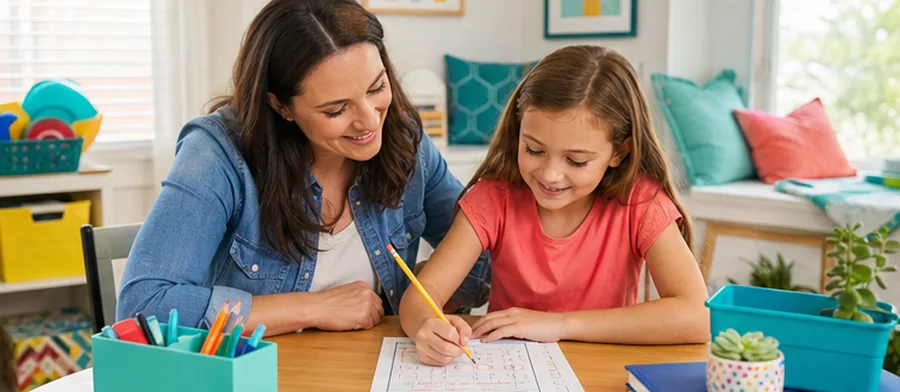
Parent routine at home
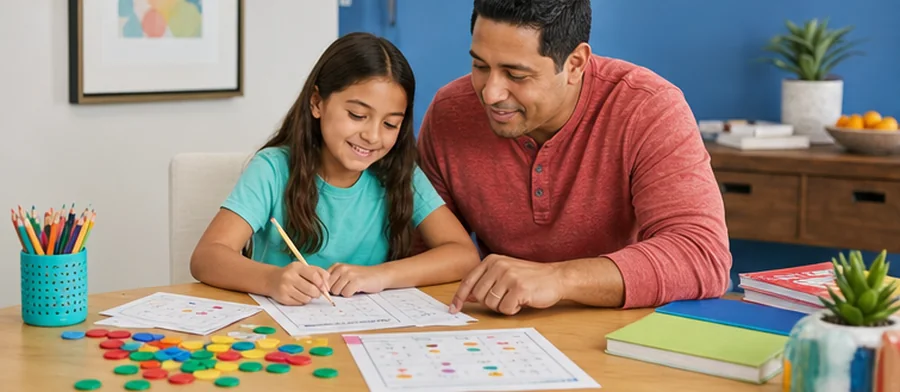
Choose three objects such as a spoon, crayon, and notebook. Ask your child to predict the longest, measure each with the same small item, and then measure again in centimetres if a ruler is available. Discuss why the count changes when a larger or smaller non-standard unit is used.
Classroom use and common errors
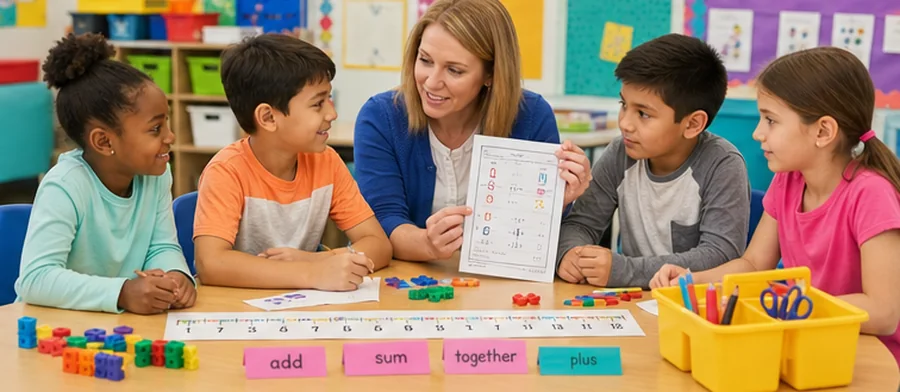
Teachers can use these printables for maths centres, pair work, quick revision, or a follow-up after a measuring activity. Watch for children leaving gaps between units, overlapping counters, mixing different units in one measurement, starting a ruler at 1, or reading the wrong end of an object. A child-friendly strategy is: “Start at zero, keep units touching, count to the end.”
Free printable PDF download
Use this Class 2 measuring lengths worksheet page to preview the activity, print it, or download it as a PDF for quick practice. It works well for homework, homeschool lessons, tutoring, morning work, revision, and classroom centers.
Answers and answer key support
After the child completes the worksheet independently, parents and teachers can use the answer support or answer key information to check the work, review mistakes, and choose the next practice step.
Why iBloom worksheets help
The sheets progress from hands-on visual measuring to ruler-based questions, so children do not memorise steps without meaning. Clear pictures, varied object positions, and short instructions help Class 2 learners focus on one measuring idea at a time while still getting repeated practice.
Helpful answers
Frequently asked questions
What does measuring with non-standard units mean?
It means measuring length using everyday items such as paper clips, blocks, footsteps, or hand spans instead of a ruler. Children learn that the units must be equal and placed without gaps.
Why should Class 2 children practise non-standard units before centimetres?
Non-standard units help children see what measuring actually means: covering a length with equal units and counting them. This makes ruler work in centimetres easier to understand.
Do these worksheets include ruler reading?
Yes. The activities include simple centimetre practice, especially placing the start of an object at 0 and reading the whole-centimetre mark at the other end.
What mistakes should I look for while my child measures length?
Common mistakes include starting at 1 on the ruler, leaving spaces between units, overlapping paper clips or blocks, using different-sized units together, and measuring from the wrong end.
How can I support this topic without printing extra materials?
Use household objects. Ask your child to measure a pencil with erasers or clips, then compare it with a spoon or book. If you have a ruler, repeat the same objects in centimetres.
Is this Class 2 measuring lengths worksheet free?
Yes. You can preview it for free and use the printable worksheet for home or classroom practice.
Can I download this Class 2 measuring lengths worksheet as a PDF?
Yes. Use the worksheet download option to save a printable PDF, or print the worksheet directly from the page.
Does this Class 2 measuring lengths worksheet include answers or an answer key?
When the activity has fixed answers, iBloom includes answer support so parents and teachers can check the completed worksheet.