Free printable practice
Measurement Practice Activities
Class 6 learners practise metric and customary measurement conversions for length, mass, volume and capacity, including decimal values.
Explore Measurement
Free printable worksheet PDFs
Preview every available page, then download the free worksheet PDF for home, homeschool, tutoring, or classroom practice.
Preview the exact activity before downloading it.
 Conversion Metric Length Decimals — Concept FoundationsConcept Foundations for conversion metric length decimals in Class 6. Choose the correct metric relationship, then complete decimal conversions between kilometres, metres, centimetres, and millimetres.Class 6Free PDF preview
 Conversion Metric Units Mixed Practice — Concept FoundationsConcept Foundations for conversion metric units mixed practice in Class 6. Complete basic metric unit conversions for length, mass, and capacity using familiar unit facts.Class 6Free PDF preview
 Conversion Metric Volume Mass — Concept FoundationsConcept Foundations for conversion metric volume mass in Class 6. Practise key metric facts, then complete simple volume and mass conversions from larger to smaller units and back.Class 6Free PDF preview
 Conversion Metric Volume Mass Decimals — Concept FoundationsConcept Foundations for conversion metric volume mass decimals in Class 6. Identify whether to multiply or divide by 1000, then convert metric mass and volume units using decimal place value.Class 6Free PDF preview
 Conversion Of Customary Units Mixed Practice — Concept FoundationsConcept Foundations for conversion of customary units mixed practice in Class 6. Practise basic customary-unit facts, then convert lengths, weights, and capacities using multiplication or division.Class 6Free PDF preview
 Conversion Of Customary Units Using Decimals — Concept FoundationsConcept Foundations for conversion of customary units using decimals in Class 6. Choose the correct customary unit facts, then complete decimal conversions for length, weight, and capacity.Class 6Free PDF preview
 Conversion Ounces Cups Quarts Gallons — Concept FoundationsConcept Foundations for conversion ounces cups quarts gallons in Class 6. Identify the basic unit relationships, complete equivalent measures, and solve simple conversion sentences.Class 6Free PDF preview
 Measurement: Conversion Metric Length — Concept FoundationsConcept Foundations for measurement: conversion metric length in Class 6. Recall metric length relationships, then convert lengths between millimetres, centimetres, metres and kilometres.Class 6Free PDF preview
 Measurement: Conversion Miles Feet Yards — Concept FoundationsConcept Foundations for measurement: conversion miles feet yards in Class 6. Identify key unit facts, complete simple conversions, and compare equivalent measurements in miles, yards and feet.Class 6Free PDF preview
 Measurement: Convert Units Length — Concept FoundationsConcept Foundations for measurement: convert units length in Class 6. Identify suitable metric units, use conversion facts, and solve length conversions from millimetres to kilometres.Class 6Free PDF preview
 Measurement: Convert Units Mass — Concept FoundationsConcept Foundations for measurement: convert units mass in Class 6. Choose the correct mass-unit relationships, then complete simple metric conversions from larger to smaller and smaller to larger units.Class 6Free PDF preview
 Measurement: Convert Units Volume — Concept FoundationsConcept Foundations for measurement: convert units volume in Class 6. Identify key volume equivalences, then convert between litres, millilitres, cubic centimetres, and cubic metres.Class 6Free PDF preview
 Conversion Metric Length Decimals — Visual ModelsVisual Models for conversion metric length decimals in Class 6. Read each visual model and choose or write the equivalent metric length with the correct decimal.Class 6Free PDF preview
 Conversion Metric Units Mixed Practice — Visual ModelsVisual Models for conversion metric units mixed practice in Class 6. Use visual choices and metric conversion sentences to practise converting length, mass, and capacity units.Class 6Free PDF preview
 Conversion Metric Volume Mass — Visual ModelsVisual Models for conversion metric volume mass in Class 6. Use visual models of containers and mass groups to practise converting litres, millilitres, kilograms and grams.Class 6Free PDF preview
 Conversion Metric Volume Mass Decimals — Visual ModelsVisual Models for conversion metric volume mass decimals in Class 6. Use glass and jar visual models to practise converting litres, millilitres, kilograms and grams with decimals.Class 6Free PDF preview
 Conversion Of Customary Units Mixed Practice — Visual ModelsVisual Models for conversion of customary units mixed practice in Class 6. Solve mixed customary-unit conversions using visual unit models, equivalent measures, and short number sentences.Class 6Free PDF preview
 Conversion Of Customary Units Using Decimals — Visual ModelsVisual Models for conversion of customary units using decimals in Class 6. Use visual unit models and guided choices to practise converting decimal lengths, weights, and capacities.Class 6Free PDF preview
 Conversion Ounces Cups Quarts Gallons — Visual ModelsVisual Models for conversion ounces cups quarts gallons in Class 6. Use visual unit models to practise converting between fluid ounces, cups, quarts, and gallons.Class 6Free PDF preview
 Measurement: Conversion Metric Length — Visual ModelsVisual Models for measurement: conversion metric length in Class 6. Use metric conversion ladders and length-strip models to practise changing between millimetres, centimetres, metres and kilometres.Class 6Free PDF preview
Practice that builds confidence
Understanding measurement conversions
These Class 6 measurement worksheets give children structured practice in converting units of length, mass, volume and capacity. Learners work with metric units as well as customary units such as ounces, cups, quarts, gallons, miles, feet and yards.
The printable activities include decimal conversions, mixed unit practice, and separate sets for mass, length and volume. They help pupils choose the correct conversion factor, multiply or divide accurately, and interpret units in worded measurement contexts.
Measurement in Class 6 moves beyond naming units. Children learn how one unit relates to another and how to change a quantity without changing its actual size. For example, converting metres to centimetres uses a different relationship from converting yards to feet, so pupils must read the unit carefully before calculating.

Metric and customary practice
The worksheets cover metric length, metric volume and mass, and mixed metric units, including decimal values. They also include customary conversions such as ounces, cups, quarts, gallons, miles, feet and yards. This variety helps learners avoid assuming that every conversion uses 10, 100 or 1,000.
Progression across the page topics
A good progression is to begin with one measurement type, such as length, and practise direct conversions. Then introduce decimals, followed by mixed practice where children must first decide whether the question is about length, mass, volume or capacity. Mixed sets strengthen unit recognition and prevent mechanical answering.
A practical parent routine
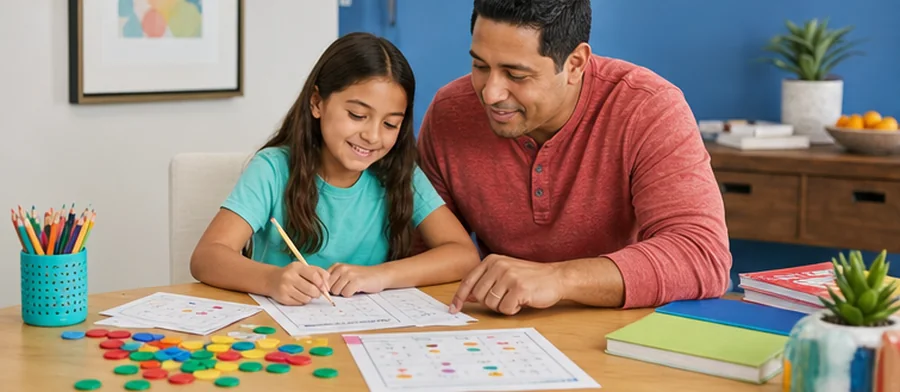
At home, choose one real object or container each day: a water bottle, a packet of rice, or the distance to a nearby place. Ask your child to identify the unit, then convert it using the worksheet method. Encourage them to write a short conversion sentence, such as “1 km = 1000 m, so multiply by 1000.”
Classroom uses and common errors
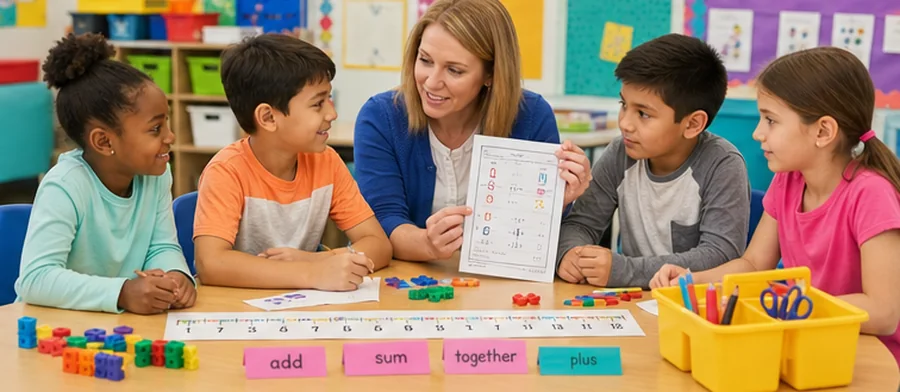
Teachers can use these sheets for maths stations, revision before tests, peer checking, or quick exit slips after teaching a conversion rule. Watch for children multiplying when they should divide, dropping decimal points, mixing mass with capacity, or using a metric rule for customary units. Unit labels should be required in every answer.
Free printable PDF download
Use this Class 6 measurement worksheet page to preview the activity, print it, or download it as a PDF for quick practice. It works well for homework, homeschool lessons, tutoring, morning work, revision, and classroom centers.
Answers and answer key support
After the child completes the worksheet independently, parents and teachers can use the answer support or answer key information to check the work, review mistakes, and choose the next practice step.
Why iBloom worksheets help
The iBloom measurement collection is organised by unit type and difficulty, so pupils can practise a single idea before moving to mixed conversion practice. A child-friendly strategy is: “Name the units, write the rule, choose multiply or divide, then label the answer.”
Helpful answers
Frequently asked questions
Which measurement units are practised in this Class 6 collection?
The collection includes metric length, mass and volume units, plus customary units such as ounces, cups, quarts, gallons, miles, feet and yards.
Do the worksheets include decimal conversions?
Yes. Several topics focus on conversions using decimals, including metric length and customary unit conversions.
How can pupils decide whether to multiply or divide?
They should compare the starting unit and target unit. Converting to a smaller unit usually makes the number larger, while converting to a larger unit usually makes it smaller.
Are metric and customary units mixed together?
Some worksheets focus on one system, while mixed practice helps children identify the correct system and conversion rule.
What is a common mistake in measurement conversions?
A common mistake is applying a metric base-10 rule to customary units, such as treating feet, yards or gallons as if they convert by tens.
Is this Class 6 measurement worksheet free?
Yes. You can preview it for free and use the printable worksheet for home or classroom practice.
Can I download this Class 6 measurement worksheet as a PDF?
Yes. Use the worksheet download option to save a printable PDF, or print the worksheet directly from the page.
Does this Class 6 measurement worksheet include answers or an answer key?
When the activity has fixed answers, iBloom includes answer support so parents and teachers can check the completed worksheet.