Free Telling Time Worksheet Generator
The iBLOOM Learning telling time worksheet generator creates printable analog clock practice for the exact stage a child is learning right now. Instead of handing out a mixed worksheet that jumps between easy and hard clocks, you can control how many clock faces appear, whether the minute hand is visible, and whether half-hour or quarter-hour times are included. That makes this page useful for first lessons on reading a clock, small-group reteaching, or quick review before a quiz.
- Live preview as you type
- Play on-screen with instant feedback
- Print or save as a separate PDF
- Custom title, directions, and answer key
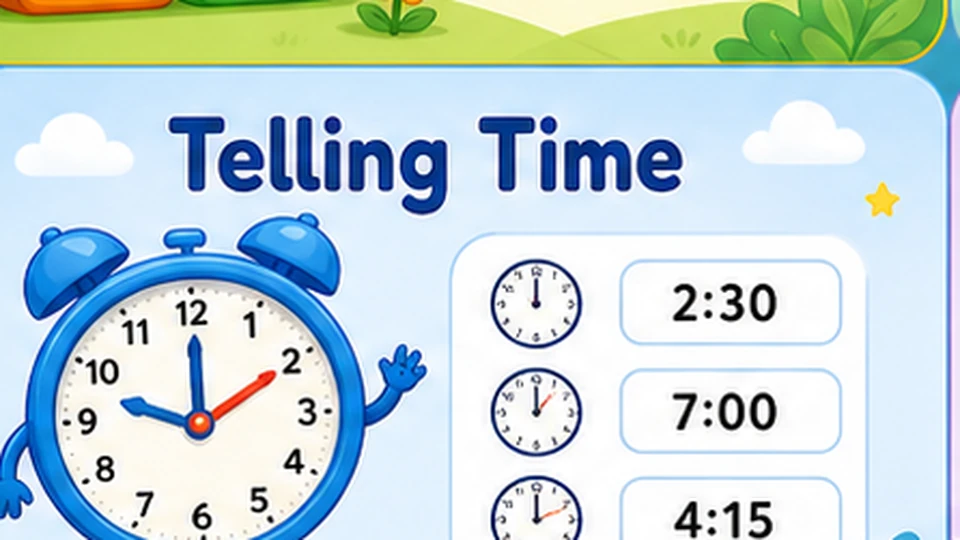
Preview Worksheet
Click Create worksheet to generate a preview
Or, pull real telling time questions from your syllabus
Pick a class, subject, and lesson to load curriculum-aligned questions for the same skill as the generator above.
Choose a class, subject, and lesson above to load questions.
Related worksheet generators
Build a complete practice packet by combining telling time with these complementary skills. Every link below opens the same live-preview builder you're using right now.
Try the lesson-wise builder
See what your school teaches — or generate syllabus-aligned questions on demand. While telling time is great for focused practice, the lesson-wise builder pulls questions directly from your class syllabus topics.
Covers every math topic in your class syllabus, not just individual skills.
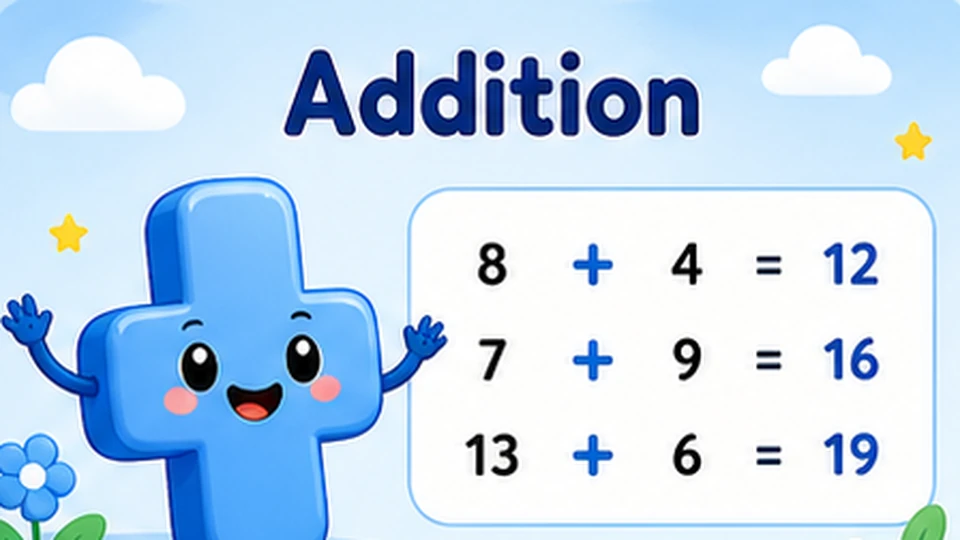

Addition Generator
Build custom addition practice with regrouping and flexible ranges.
Open generator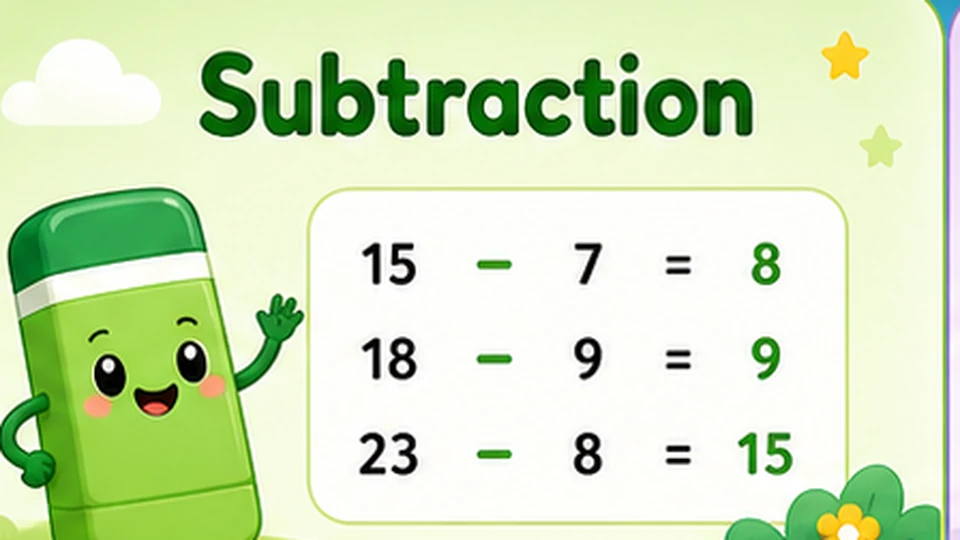
Subtraction Generator
Subtraction practice with borrowing and adjustable ranges.
Open generator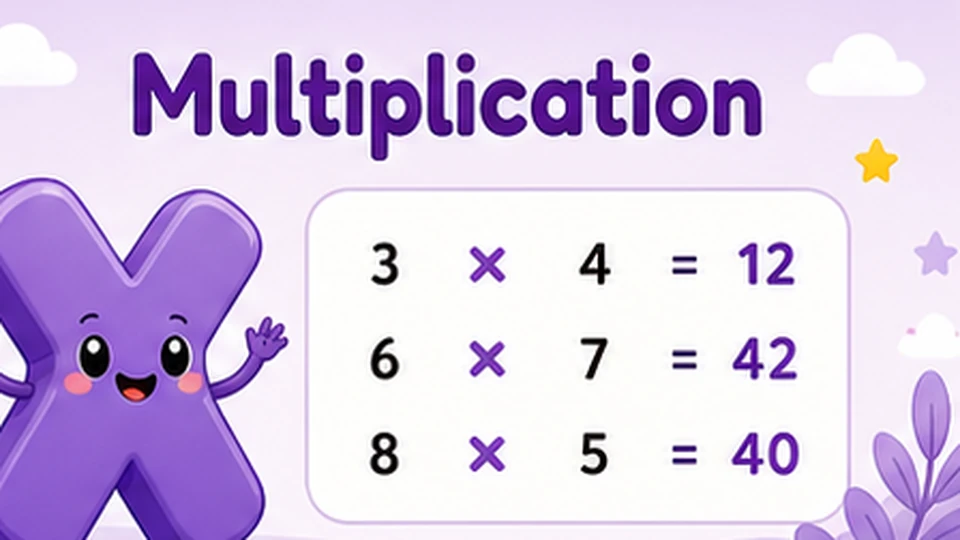
Multiplication Generator
Mixed multiplication fact drills and printable answer keys.
Open generator
Word Search Generator
Theme-based word searches with adjustable grid size.
Open generatorWhat you'll see on the page
A quick tour of the telling time worksheet — the problem types, the mistakes we deliberately avoid, and the standards each sheet lines up with.
Sample problems
Every worksheet randomly regenerates, but the format stays consistent with these examples.
- 1Write the time shown on the clock: 3:00
- 2Write the time shown on the clock: 6:30
- 3Write the time shown on the clock: 9:15
- 4Write the time shown on the clock: 4:45
Classroom tips
What teachers and tutors have found works well with these sheets in real classrooms.
- Begin with on-the-hour clocks so students can connect the hour hand position to familiar daily routines.
- Keep the minute hand visible during early practice, then remove that support once students can explain what the long hand means.
- Mix a few easier clocks into a harder page so students can recover confidence while working independently.
- Ask students to say the time aloud before writing it to strengthen the language pattern alongside the visual skill.
What is the telling time worksheet generator?
The iBLOOM Learning telling time worksheet generator creates printable analog clock practice for the exact stage a child is learning right now. Instead of handing out a mixed worksheet that jumps between easy and hard clocks, you can control how many clock faces appear, whether the minute hand is visible, and whether half-hour or quarter-hour times are included. That makes this page useful for first lessons on reading a clock, small-group reteaching, or quick review before a quiz.
How to use the telling time generator
- 1Open the Telling Time generator.
- 2Choose how many clocks you want on the page.
- 3Decide whether to keep the minute hand visible for extra support.
- 4Turn on half-hour or quarter-hour times when the learner is ready for them.
- 5Generate the page, preview it, and print or save the worksheet with its answer key.
When this worksheet is most useful
Use this telling Time worksheet when you want practice that feels focused instead of random. It works well for warm-ups, short review, reteaching, homework, tutoring, or one calm extra page after a child almost understands the concept but still needs repetition.
Most visitors landing here are trying to solve a practical problem: they need printable practice that matches the learner in front of them today. The controls help you narrow the task so the page feels manageable, whether the goal is confidence-building review, fluency, or a slightly harder follow-up.
Why teachers and parents choose it
- Supports a clear progression from hour to half-hour to quarter-hour practice
- Lets you keep the page simple for beginners instead of mixing too many time types at once
- Printable analog clocks give students repeated visual exposure to the same skill format
- Includes a separate answer key for quick checking at school or at home
How to choose the right settings
- Start with the smallest setting that still matches the lesson. Fewer problems and a tighter range usually feel more achievable, especially for a child who is still learning the routine or who gets overwhelmed by a crowded page.
- Increase only one variable at a time. That might mean adding a few more problems, widening the number range, or turning on a harder option. Changing one thing at a time makes it easier to see whether the learner is ready for the next step.
- If the worksheet suddenly feels too hard, check the skills behind it: Analog clock reading, Hour and minute hand recognition, Half-hour and quarter-hour understanding, and Daily schedule vocabulary. Struggle often comes from a missing supporting skill rather than the worksheet format itself.
Teacher ideas
- Begin with on-the-hour clocks so students can connect the hour hand position to familiar daily routines.
- Keep the minute hand visible during early practice, then remove that support once students can explain what the long hand means.
- Mix a few easier clocks into a harder page so students can recover confidence while working independently.
- Ask students to say the time aloud before writing it to strengthen the language pattern alongside the visual skill.
- Teachers often use this page to create a fast warm-up, an independent center page, a short intervention sheet, or a homework version of the same skill. Because the answer key is separate, it also works well for self-check stations and partner review.
Parent tips for home practice
- Connect the worksheet to real life by pointing out times your child already knows, like lunch time, bedtime, or school pickup.
- If quarter hours feel too hard, go back to full hours and half hours for a few sessions before adding more detail.
- Have your child explain why the hands show that time instead of only writing the answer. The explanation usually reveals what they understand.
- Parents usually get the best results when the worksheet is used as one short practice step, not the whole lesson. A focused page can help a child recover after a confusing school day, review before a quiz, or keep skills fresh without turning practice into a long negotiation.
- Connect the worksheet to real life by pointing out times your child already knows, like lunch time, bedtime, or school pickup.
Three steps. One perfect worksheet.
No accounts, no friction. Customize the controls and print.
Step 1
Customize
Set the controls on the left to match the skill you're targeting.
Step 2
Preview
The right pane updates as you change settings — no waiting on a download.
Step 3
Print or save
Print to paper, or download the worksheet and answer key as separate PDFs.
Made by teachers, loved by parents
Every generator is designed around the skills students actually need to master at each class level.
- Aligned to elementary skill progressions
- Saves 20+ minutes per worksheet
- Printable, savable, and re-runnable
- No watermarks, no signup walls
US & India
Region-tuned content
Easy to start
No signup required
15+ generators
Math, vocab, and logic
Always free
Built by iBloom
Telling Time worksheet questions
Answers to the most common questions teachers and parents ask about this telling time worksheet generator.
What grade is the telling time worksheet generator best for?
Most families and teachers use it from Class 1 through Class 3. First graders often start with full hours and half hours, while older students can add quarter-hour practice for review or intervention.
Should I hide the minute hand for beginners?
Usually no. Keeping the minute hand visible helps children learn what each hand does. If a learner is overwhelmed, start with on-the-hour clocks first and keep the rest of the page very simple before removing visual supports.
How many clocks should be on a telling time worksheet?
About 8 to 12 clocks works well for focused practice. Use fewer clocks for a first lesson and more when the student is ready for independent review.
Is this worksheet generator really free?
Yes — every generator on this page is 100% free to use, with no signup required. You can generate, preview, print, and download as many worksheets as you like.
Can I save a worksheet to print later?
Yes. Use the "Worksheet PDF" button to download a print-ready PDF. The PDF includes the problems, your custom title, and a header strip for the student's name and date. The matching answer key downloads as a separate file when you click "Answer Key PDF".
Do I need a printer?
No. The PDF is a regular file you can open on any device. Many teachers send the PDF to students digitally, project it on a screen for whole-class work, or use it as a homework assignment in a learning management system.
Can I make a worksheet with my own words or numbers?
Each generator lets you pick from a few common option sets (number of problems, difficulty, etc.). Custom word lists and custom problem sets are not yet available, but the variation is large enough that a freshly generated page almost never repeats.
Does it work for UKG and Class 1?
Yes. Most generators include a "LKG" or "K" option in the class picker. The number range, line spacing, and font size are tuned to be readable for early learners.
Print a worksheet your students will actually finish
Free, fast, and printable. No signup required to start.