Learning Tricky Words worksheet for Class 2

Lesson-Wise Builder
A premium AI tool that creates syllabus-aligned questions and worksheets for any lesson in seconds.
Tricky words practice for Class 2
This Class 2 tricky words activity helps children notice words whose spelling and sound do not match the pattern they expect. Children judge a true-or-false statement, connect a word with a picture, and identify an irregularly spelled word. The task checks reading, meaning, and spelling awareness in one short sequence.
A learner should read the word before choosing. Ask for a reason after each choice: Which part follows a pattern?
or Which part do we need to remember?
That explanation shows whether the child understands the word or has guessed from the picture.
What makes a word tricky?
A regular word lets a reader use familiar sound-spelling links. In hat, the letters map to the sounds a Class 2 reader expects in a short consonant-vowel-consonant word. A tricky word contains at least one part that does not follow the expected pattern. Teachers may also call these words spelling exceptions or common exception words.
Children can still use phonics on the regular part. They then learn the unexpected part by noticing it, saying the word, reading it in a sentence, and recalling the spelling. This approach keeps phonics useful while making room for English spellings that need memory.
What children do on this activity
The verified preview uses two question types. A true-or-false prompt asks the child to judge a claim about a word. Picture-choice prompts ask the child to connect a written word with its meaning or spot an irregular spelling. The learner needs to read the text, inspect the picture, and explain the choice.
- Read the full prompt aloud or in a quiet voice.
- Look at the letters before looking at the answer choices.
- Choose an answer and name the clue that supports it.
- Return to the word and say which spelling part follows a pattern.
The says
and hat
examples
The preview asks children to work with says and hat. The word says sounds like sez
, so its written vowel pattern can surprise a young reader. A picture of a person speaking helps confirm its meaning. The contrasting picture shows shouting, which carries a different meaning.
The word hat follows a regular short-vowel pattern. The activity presents a statement that calls it irregular and asks for a true-or-false decision. Let the child test the sounds in order instead of accepting the statement. A later picture question asks for an irregularly spelled word, but the available preview does not show every choice. Adults should use the live choices and avoid supplying an answer from an incomplete image.
A clear way to learn a tricky word
- Read: Say the whole word and connect it with spoken language.
- Notice: Find the part that follows a known sound pattern and the part that needs memory.
- Use: Read the word in a short phrase or sentence. For example,
Mira says hello.
- Recall: Cover the word, say it, spell it from memory, and uncover it to check the letter order.
One careful cycle gives more information than a long row of copying. If the child forgets the word, show it again and ask the child to name the tricky part.
A short home routine
Use eight to ten minutes. Begin with two regular words and one tricky word. Let your child sort them, read each word, and explain the unusual part. Then open the activity and complete a small set. Stop after the child gives one accurate explanation.
- Write
says
on a card and use it in a family sentence. - Place the card face down, ask for the spelling, and check it together.
- Review the same word after two days instead of repeating it many times in one sitting.
- If your child hesitates, give the spoken word and point to the part that needs memory.
Keep the correction short: Read the whole word. Which part surprised you?
This prompt helps a child who guesses from the first letter.
Teacher and tutor guidance
Use the page as a reading warm-up, a small-group task, or a quick exit check. Model one response aloud. Explain how you read the letters, connect the word with the picture, and decide whether the spelling follows an expected pattern. Children can then solve the next item and compare reasons with a partner.
A tutor can separate three needs: decoding a regular word, recalling an exception, and understanding the word's meaning. Record the word that caused the error, then revisit that small set in a later session. Avoid turning one missed word into a long spelling list.
Common mistakes and useful prompts
- Guessing from the first letter: Ask the child to point under each letter and read the whole word.
- Calling every difficult word tricky: Test the familiar sound-spelling links before naming an exception.
- Trying to sound out every part: Keep the regular part and learn the unexpected part as a remembered spelling.
- Mixing up
say
andsays
: Read both in short sentences and listen for the vowel sound. - Choosing from the picture alone: Hide the pictures for a moment and ask the child to read the word first.
- Copying without recall: Add a cover-and-check step after one written attempt.
Practice ideas beyond one attempt
Sort a small set into follows the pattern
and has a tricky part
. Ask the child to defend one choice. On another day, read the same words in short phrases, listen for accurate pronunciation, and write one sentence with says. A word hunt in a familiar story can show that tricky words appear in real reading.
Mix reading and spelling across the week. Day one can focus on picture meaning. Day two can use a sentence. Day three can ask for spelling from memory. The change in task helps the child recognise the word beyond one screen or card.
Use pictures as meaning checks
Pictures help children confirm a word after reading it. In the visible says question, one image shows a person speaking and another shows a child shouting. The learner needs to distinguish the action meanings, not choose the brightest picture.
Ask three questions: What word did you read?
What is happening in each picture?
Which picture matches the word?
This order protects the reading step. It also gives multilingual learners a chance to explain the scene before returning to the English word.
Connect reading with spelling
Children build fast word recognition when they meet the same spelling in speech, print, and sentences. Pronounce the word, notice the letter order, read it in context, then recall it. This sequence strengthens the memory for the written word without discarding phonics.
Accurate recognition supports sentence reading because the child spends less time stopping at a common exception word. Spelling recall then shows whether the child remembers the unexpected part. Ask for accuracy before speed.
Class 2 practice for Indian homes and classrooms
This India-region page suits Class 2 English reading practice at school, during home tuition, or in an after-school review. Some families use the term second standard. The learning goal stays the same: read a word, connect it with meaning, and explain any unexpected spelling.
The page does not need a curriculum label to support useful practice. Parents and teachers can match the word set to the child's current reading lessons and keep the session short enough for close attention.
Check progress without turning practice into a test
Watch how the child reaches an answer. A strong response includes the word, the clue, and a brief reason. Note whether the child reads before looking at pictures, recognises says, decodes hat, and recalls the spelling after a short delay.
Keep a list of three to five words that need review. Recheck them in phrases or sentences after two days. If a child still guesses, return to one-to-one practice and reduce the set. Progress means fewer prompts and clearer explanations, not a longer worksheet.
Frequently Asked Questions
How often should a Class 2 child practise tricky words?
Use short sessions three or four times across a week. Revisit a small word set after a gap so the child has to recall it.
Should children sound out tricky words?
Use phonics for the part that follows a known pattern. Name and remember the unexpected part instead of forcing an inaccurate sound.
Can pictures help with tricky words?
Yes. Ask the child to read the word first, then use the picture to confirm meaning.
What should I do if my child keeps guessing?
Reduce the choice set, cover the pictures, and ask the child to point under the whole word. Restore the pictures after the reading attempt.
Should children copy tricky words many times?
One written attempt followed by cover, recall, and check gives a better memory test than a long row of copying.
What is tricky about says
?
The written vowel pattern does not match the sound a young reader may expect. Reading it in a sentence helps connect the spelling, pronunciation, and meaning.
What should children practise next?
Choose compound words for joining familiar word parts or long-vowel words for more regular vowel-pattern practice.
More practice for this grade
More English Language Arts worksheets
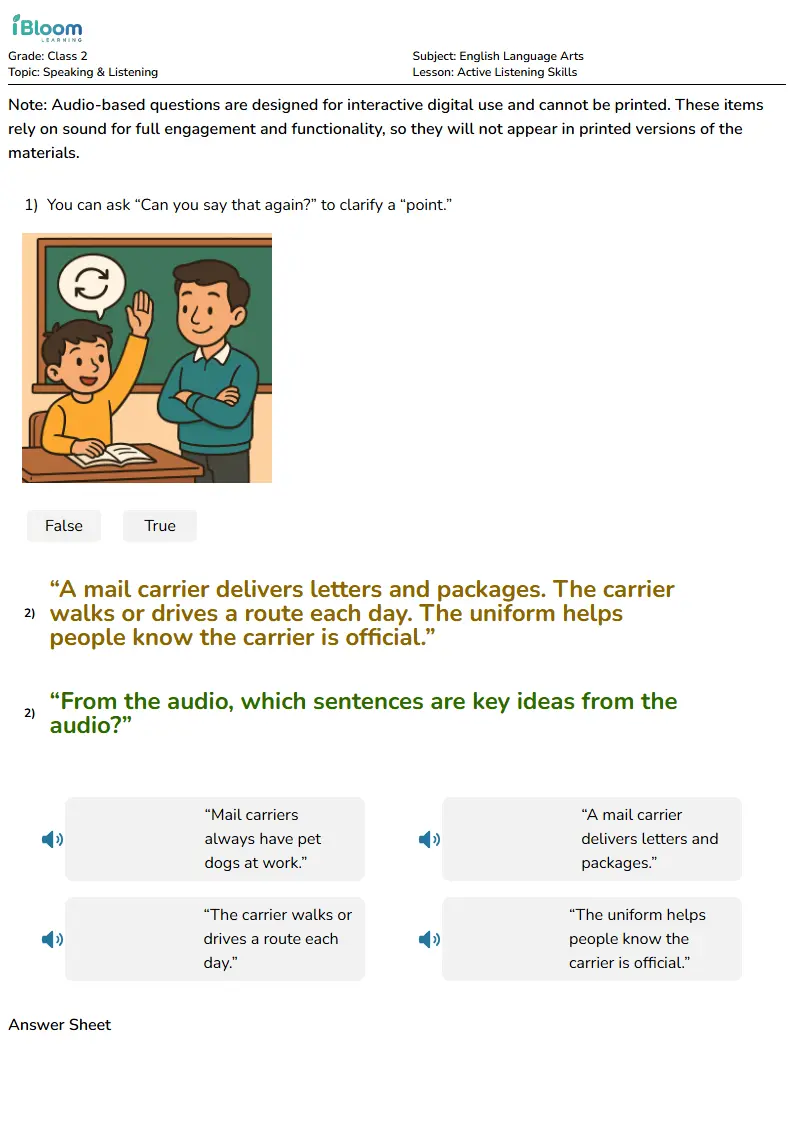
Free Active Listening Skills Worksheets for Class 2
Looking for class 2 english language arts help? Download free, interactive active listening skills worksheets. AI-personalized and Common Core-aligned. Practice early literacy with iBloom.
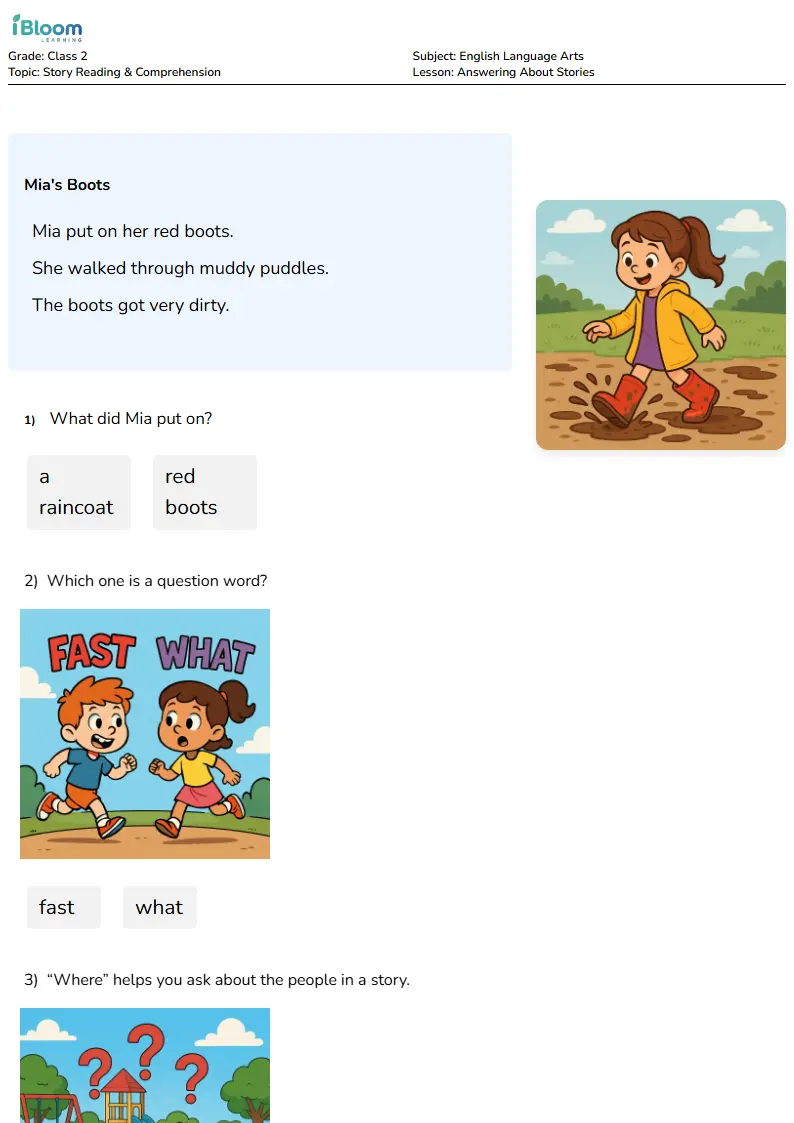
Free Answering About Stories Worksheets for Class 2
Looking for class 2 english language arts help? Download free, interactive answering about stories worksheets. AI-personalized and Common Core-aligned. Practice early literacy with iBloom.
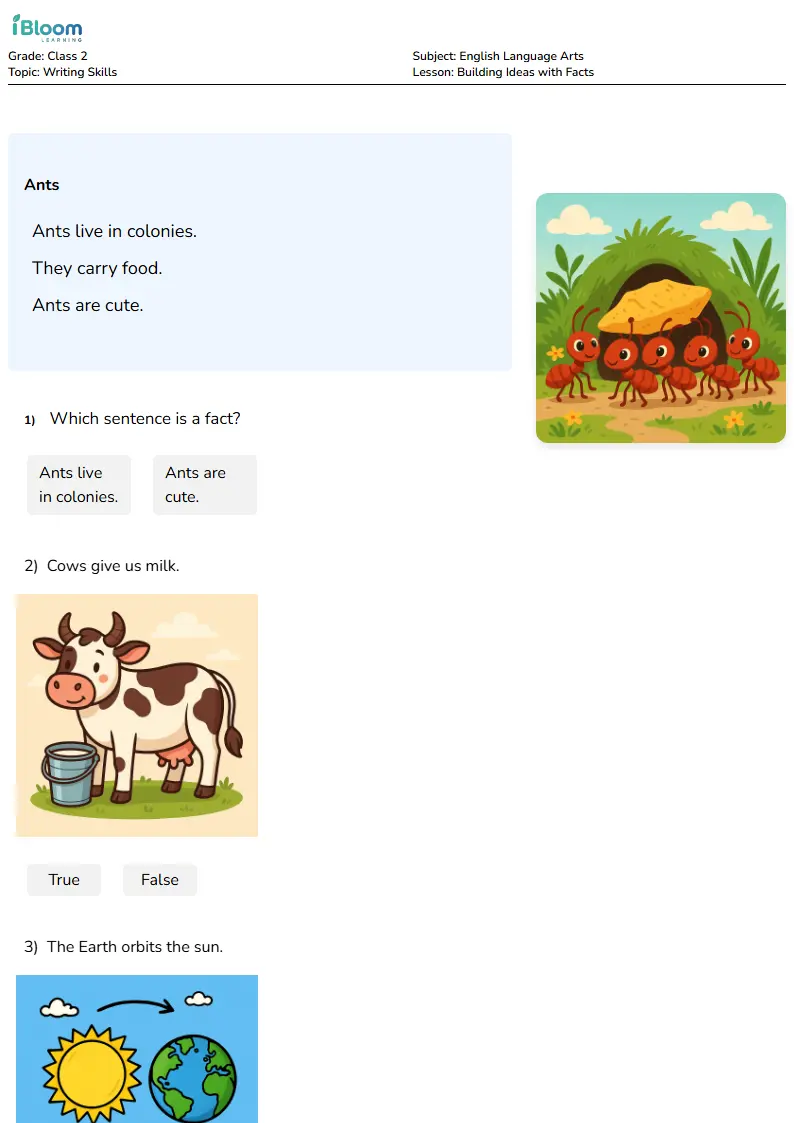
Free Building Ideas with Facts Worksheets for Class 2
Looking for class 2 english language arts help? Download free, interactive building ideas with facts worksheets. AI-personalized and Common Core-aligned. Practice early literacy with iBloom.
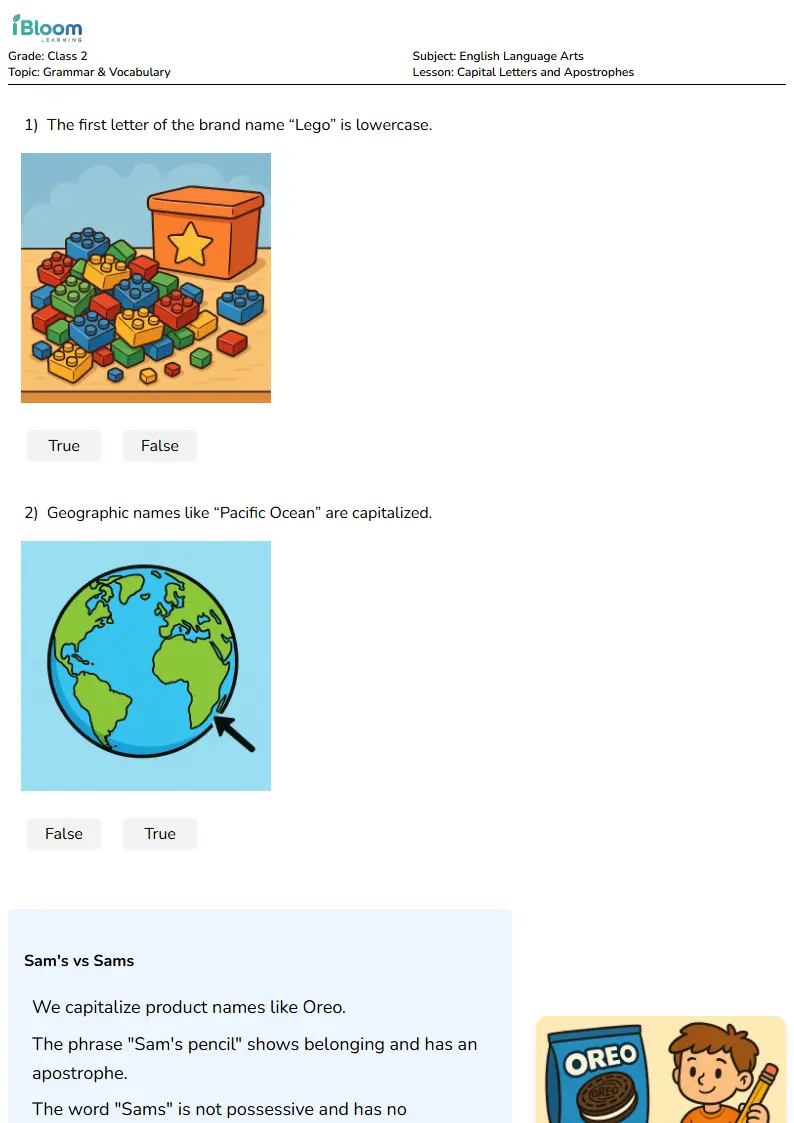
Free Capital Letters and Apostrophes Worksheets for Class 2
Looking for class 2 english language arts help? Download free, interactive capital letters and apostrophes worksheets. AI-personalized and Common Core-aligned. Practice early literacy with iBloom.
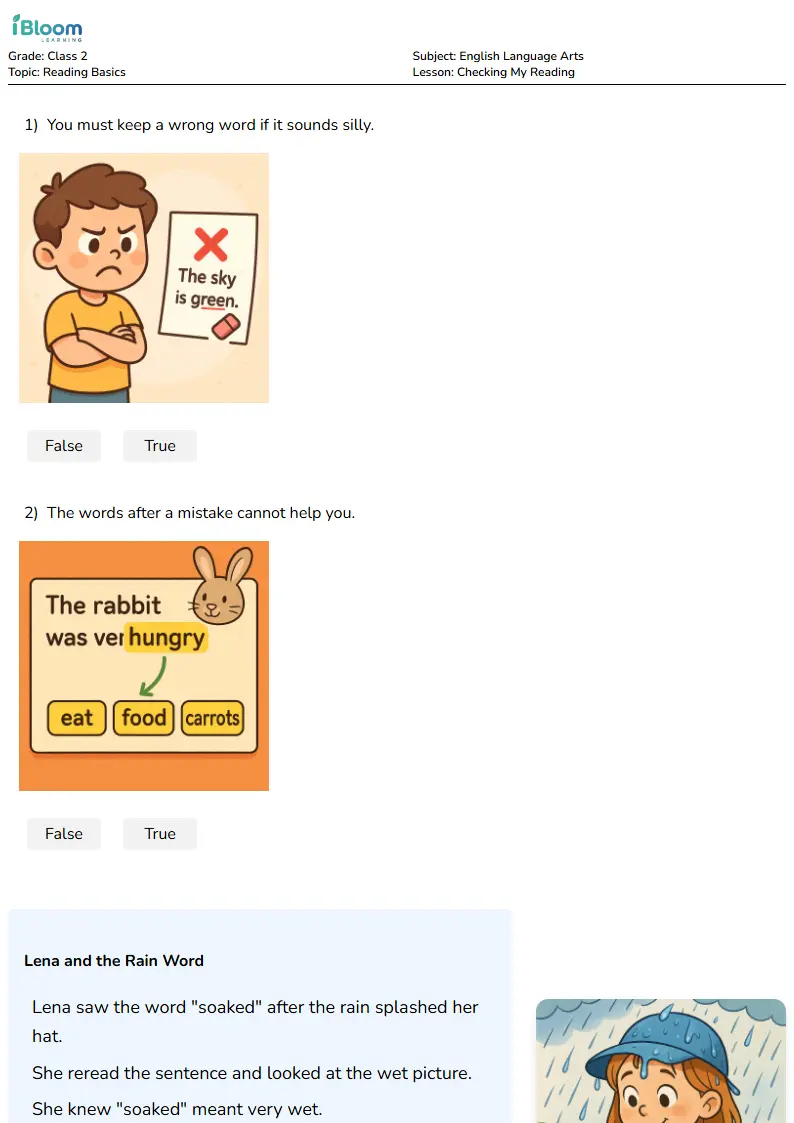
Free Checking My Reading Worksheets for Class 2
Looking for class 2 english language arts help? Download free, interactive checking my reading worksheets. AI-personalized and Common Core-aligned. Practice early literacy with iBloom.
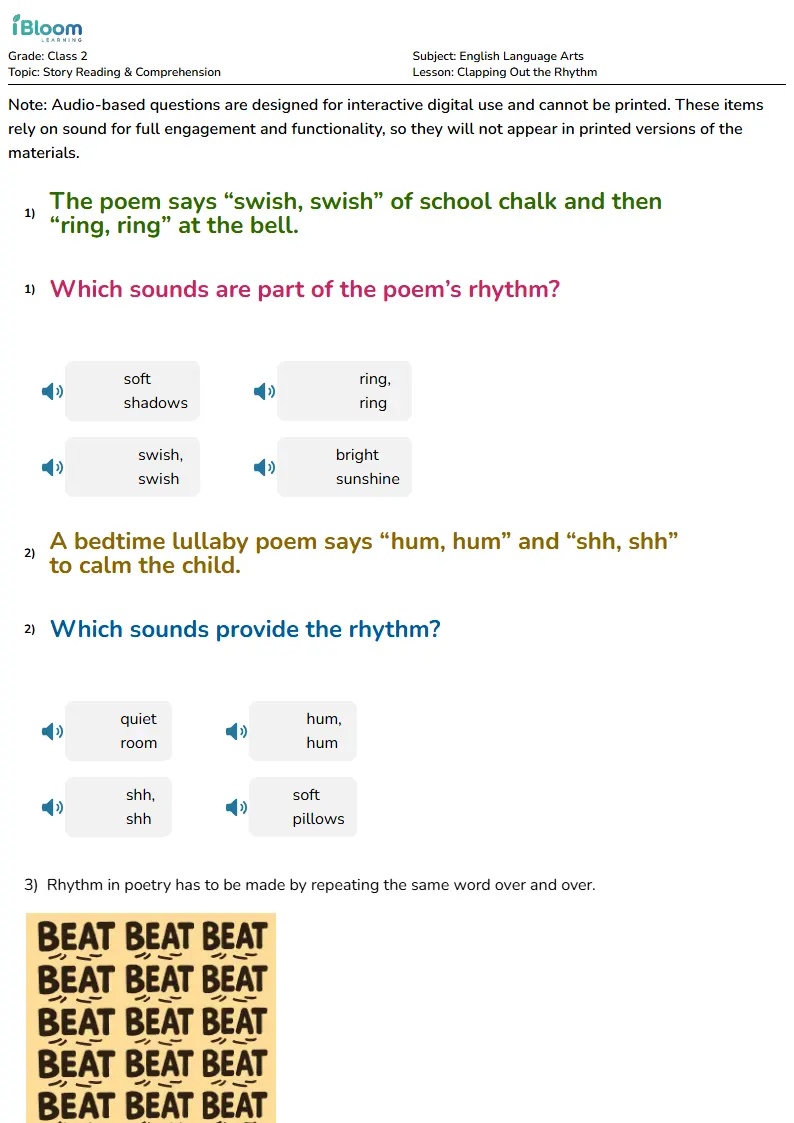
Free Clapping Out the Rhythm Worksheets for Class 2
Looking for class 2 english language arts help? Download free, interactive clapping out the rhythm worksheets. AI-personalized and Common Core-aligned. Practice early literacy with iBloom.
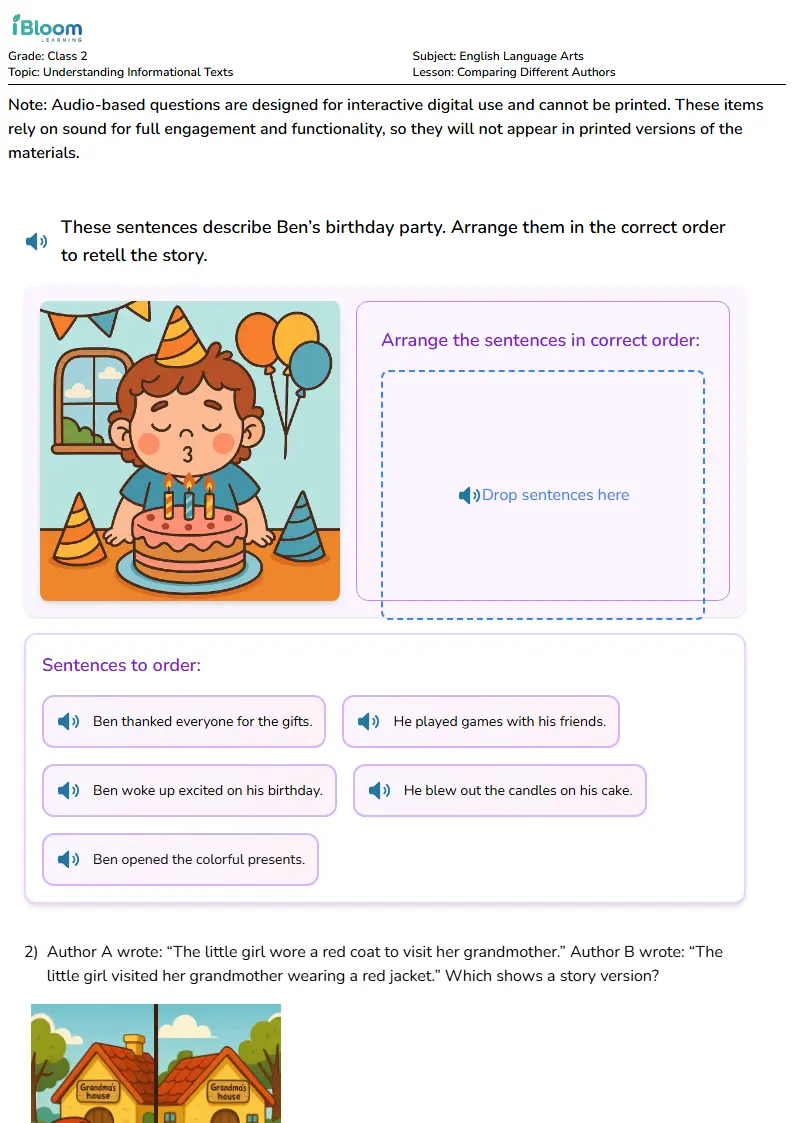
Free Comparing Different Authors Worksheets for Class 2
Looking for class 2 english language arts help? Download free, interactive comparing different authors worksheets. AI-personalized and Common Core-aligned. Practice early literacy with iBloom.
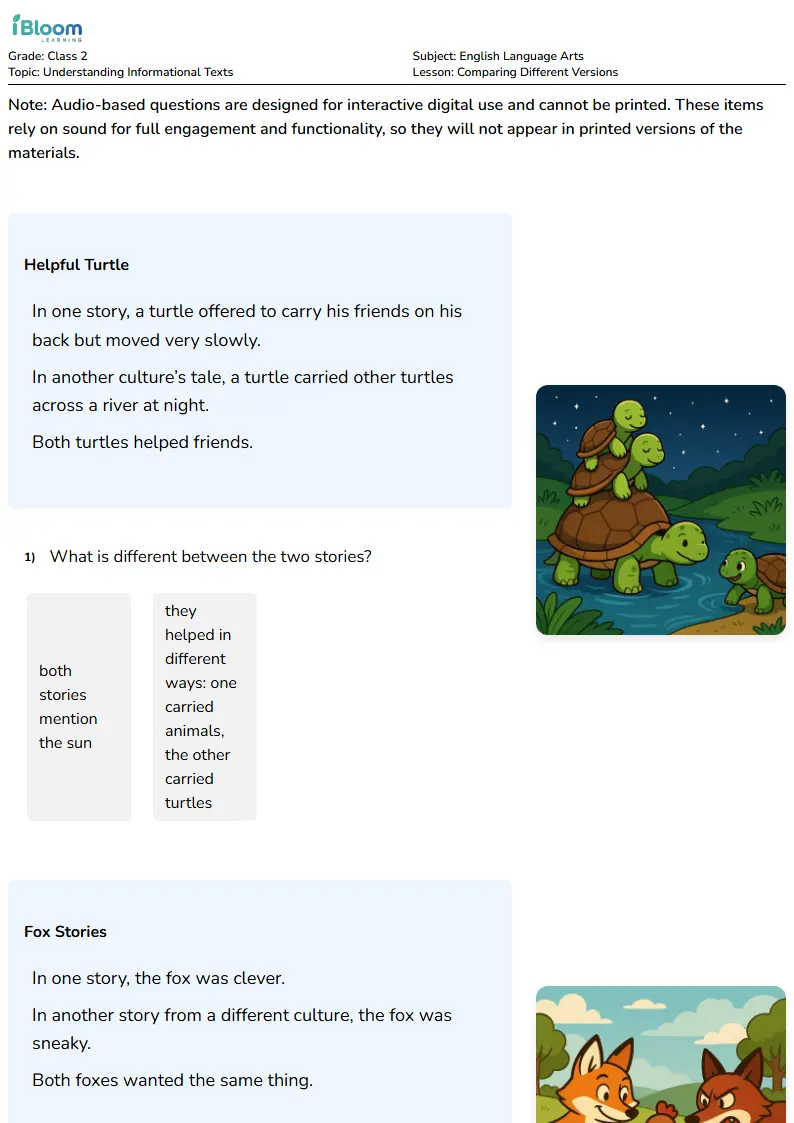
Free Comparing Different Versions Worksheets for Class 2
Looking for class 2 english language arts help? Download free, interactive comparing different versions worksheets. AI-personalized and Common Core-aligned. Practice early literacy with iBloom.
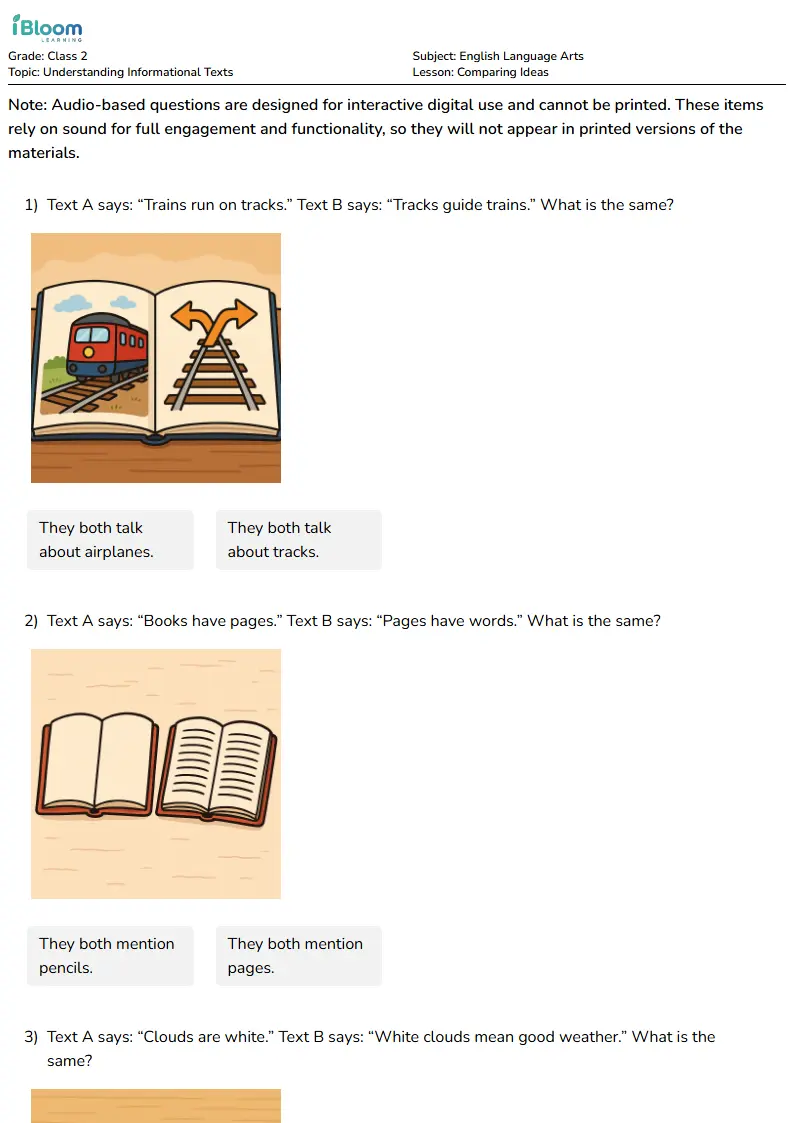
Free Comparing Ideas Worksheets for Class 2
Looking for class 2 english language arts help? Download free, interactive comparing ideas worksheets. AI-personalized and Common Core-aligned. Practice early literacy with iBloom.
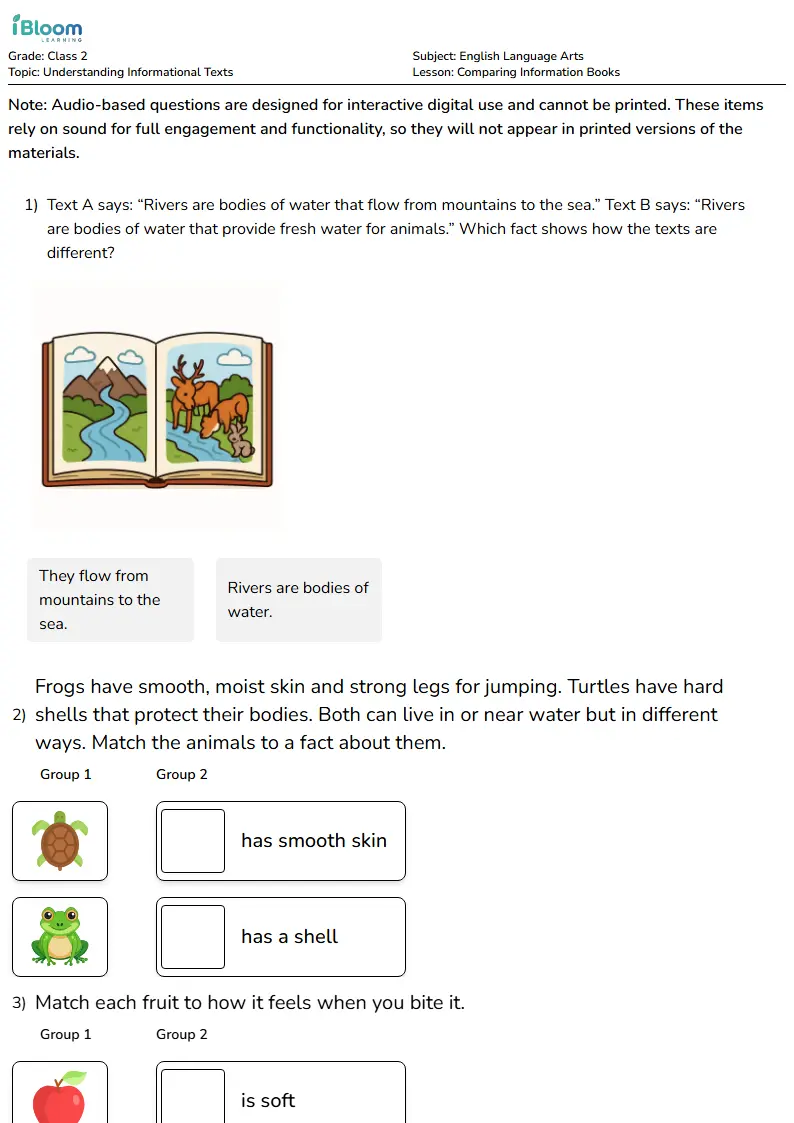
Free Comparing Information Books Worksheets for Class 2
Looking for class 2 english language arts help? Download free, interactive comparing information books worksheets. AI-personalized and Common Core-aligned. Practice early literacy with iBloom.
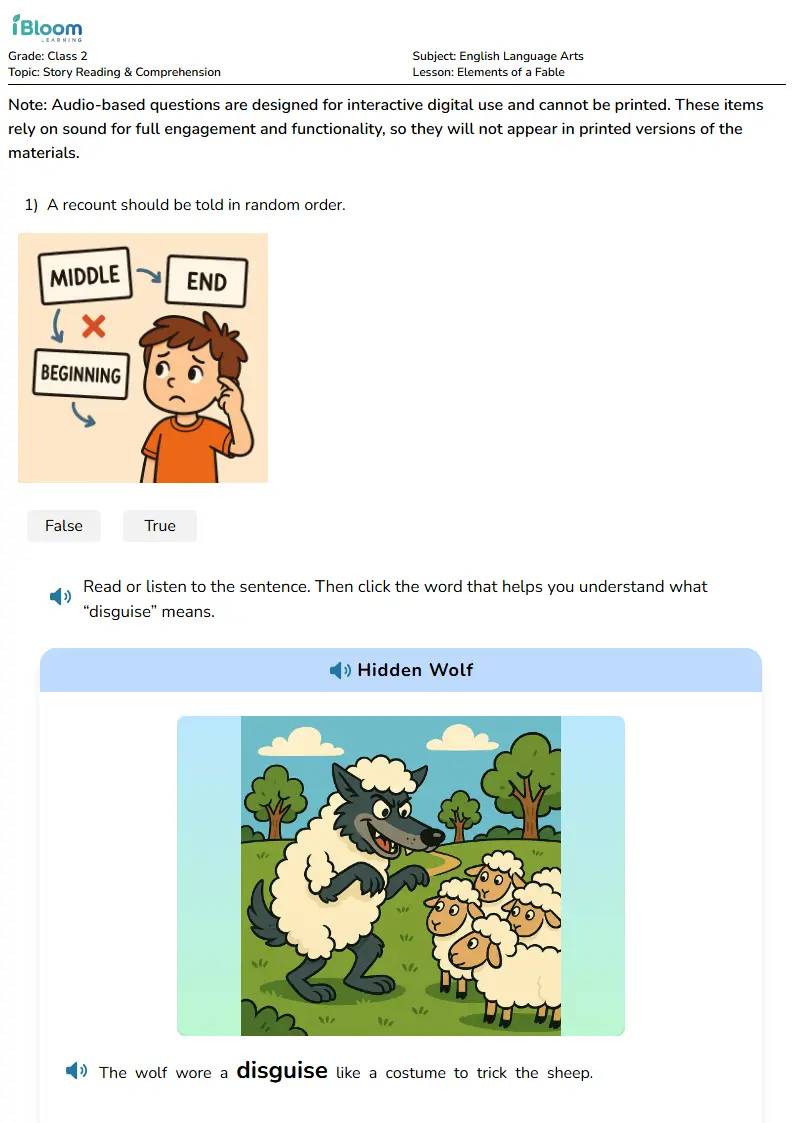
Free Elements of a Fable Worksheets for Class 2
Looking for class 2 english language arts help? Download free, interactive elements of a fable worksheets. AI-personalized and Common Core-aligned. Practice early literacy with iBloom.
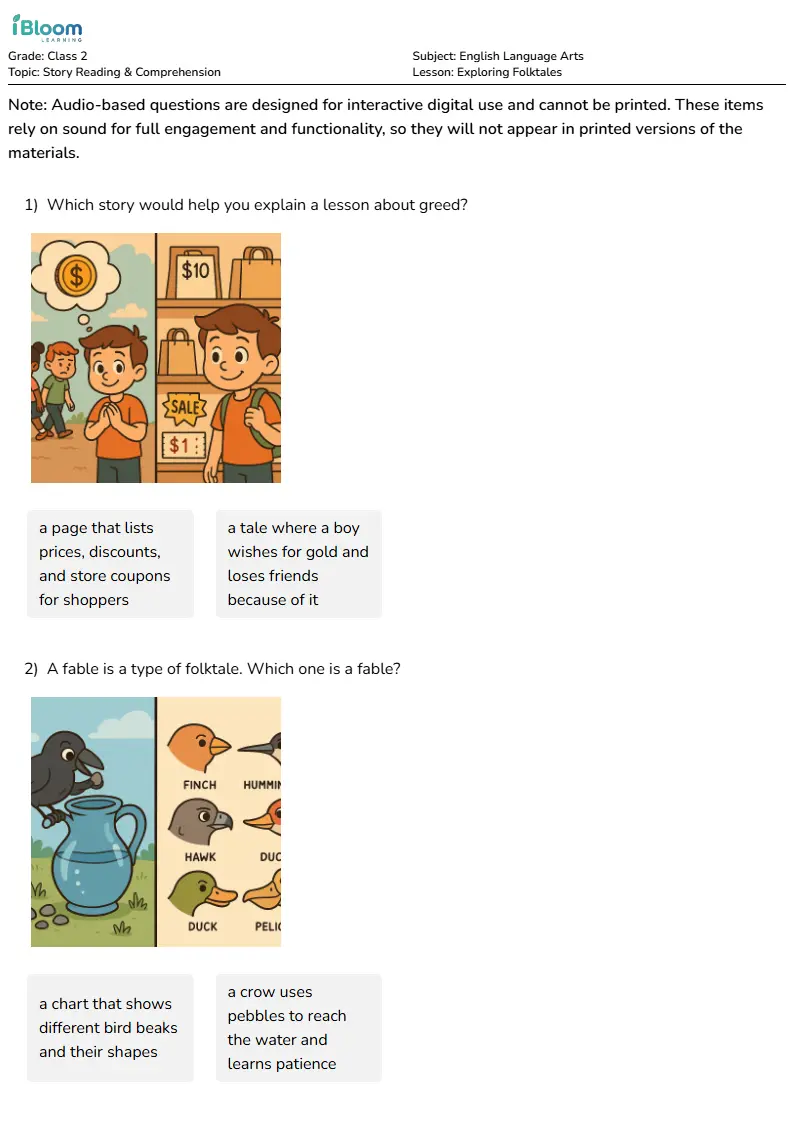
Free Exploring Folktales Worksheets for Class 2
Looking for class 2 english language arts help? Download free, interactive exploring folktales worksheets. AI-personalized and Common Core-aligned. Practice early literacy with iBloom.
Free Finding All the Answers Worksheets for Class 2
Looking for class 2 english language arts help? Download free, interactive finding all the answers worksheets. AI-personalized and Common Core-aligned. Practice early literacy with iBloom.
Free Finding Clues About Characters Worksheets for Class 2
Looking for class 2 english language arts help? Download free, interactive finding clues about characters worksheets. AI-personalized and Common Core-aligned. Practice early literacy with iBloom.
Free Finding Information About My World Worksheets for Class 2
Looking for class 2 english language arts help? Download free, interactive finding information about my world worksheets. AI-personalized and Common Core-aligned. Practice early literacy with iBloom.
Free Finding the Author's Reasons Worksheets for Class 2
Looking for class 2 english language arts help? Download free, interactive finding the author's reasons worksheets. AI-personalized and Common Core-aligned. Practice early literacy with iBloom.
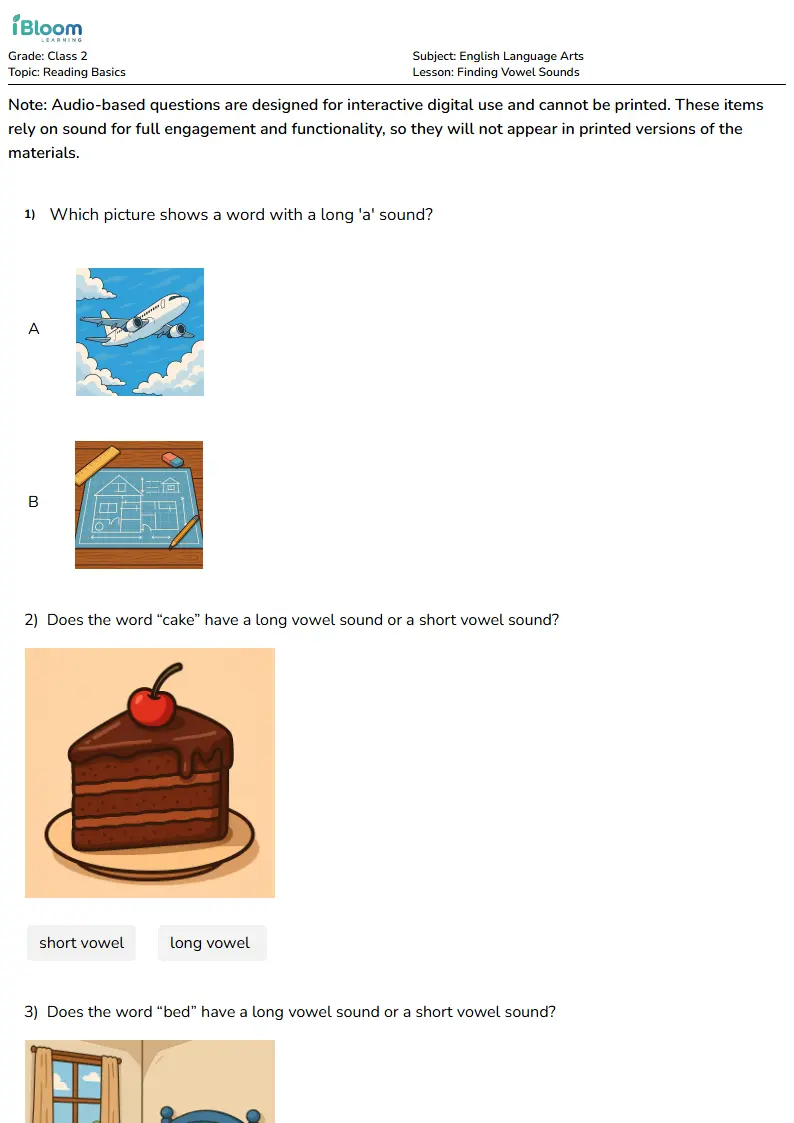
Free Finding Vowel Sounds Worksheets for Class 2
Looking for class 2 english language arts help? Download free, interactive finding vowel sounds worksheets. AI-personalized and Common Core-aligned. Practice early literacy with iBloom.
Free How Do Characters React? Worksheets for Class 2
Looking for class 2 english language arts help? Download free, interactive how do characters react? worksheets. AI-personalized and Common Core-aligned. Practice early literacy with iBloom.
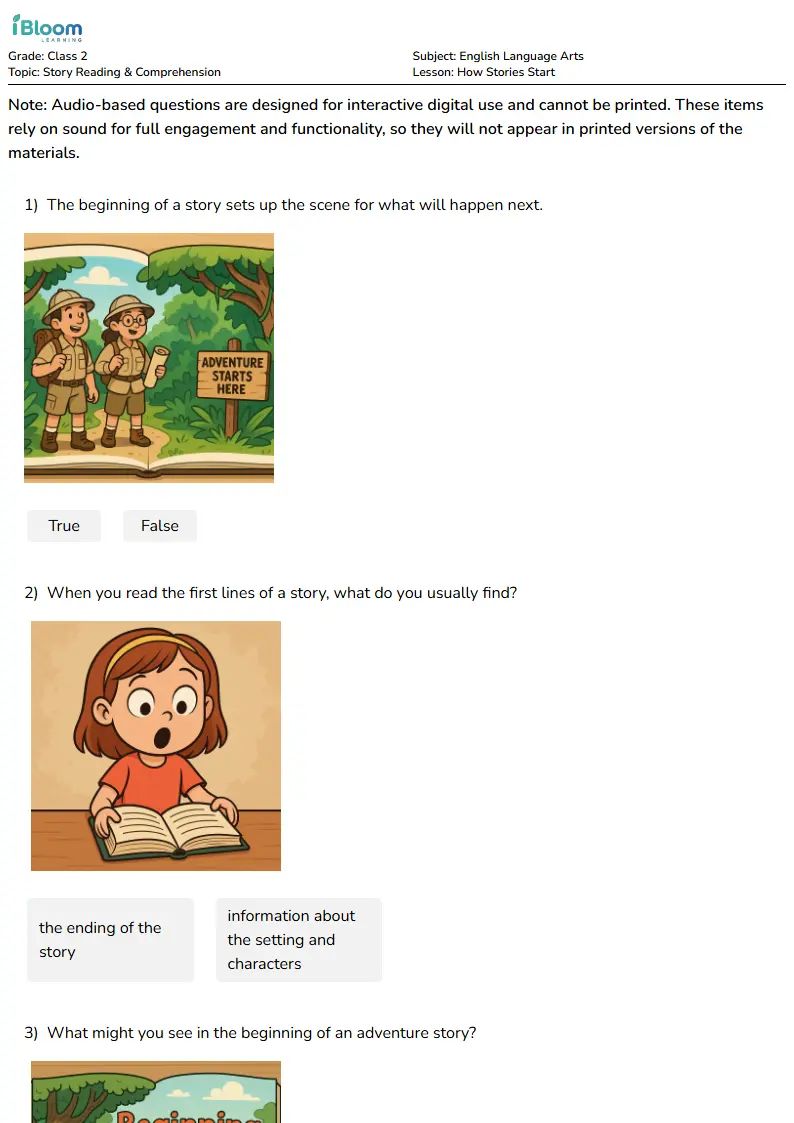
Free How Stories Start Worksheets for Class 2
Looking for class 2 english language arts help? Download free, interactive how stories start worksheets. AI-personalized and Common Core-aligned. Practice early literacy with iBloom.
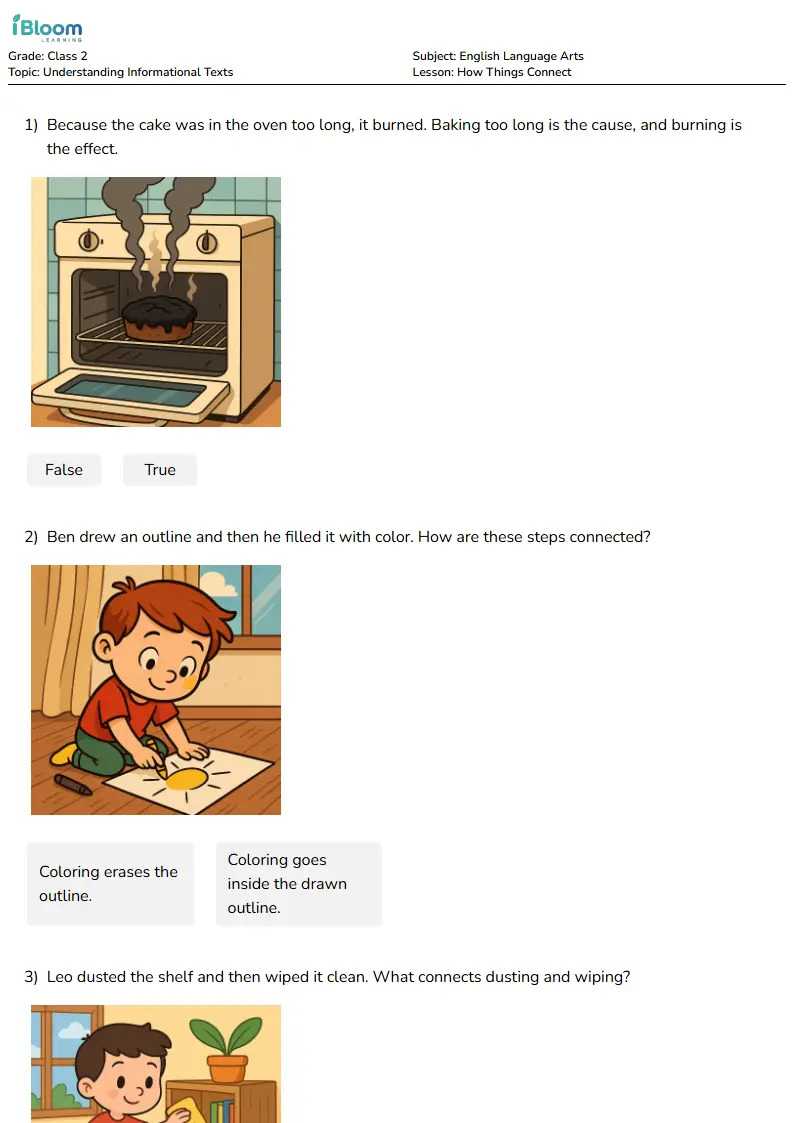
Free How Things Connect Worksheets for Class 2
Looking for class 2 english language arts help? Download free, interactive how things connect worksheets. AI-personalized and Common Core-aligned. Practice early literacy with iBloom.
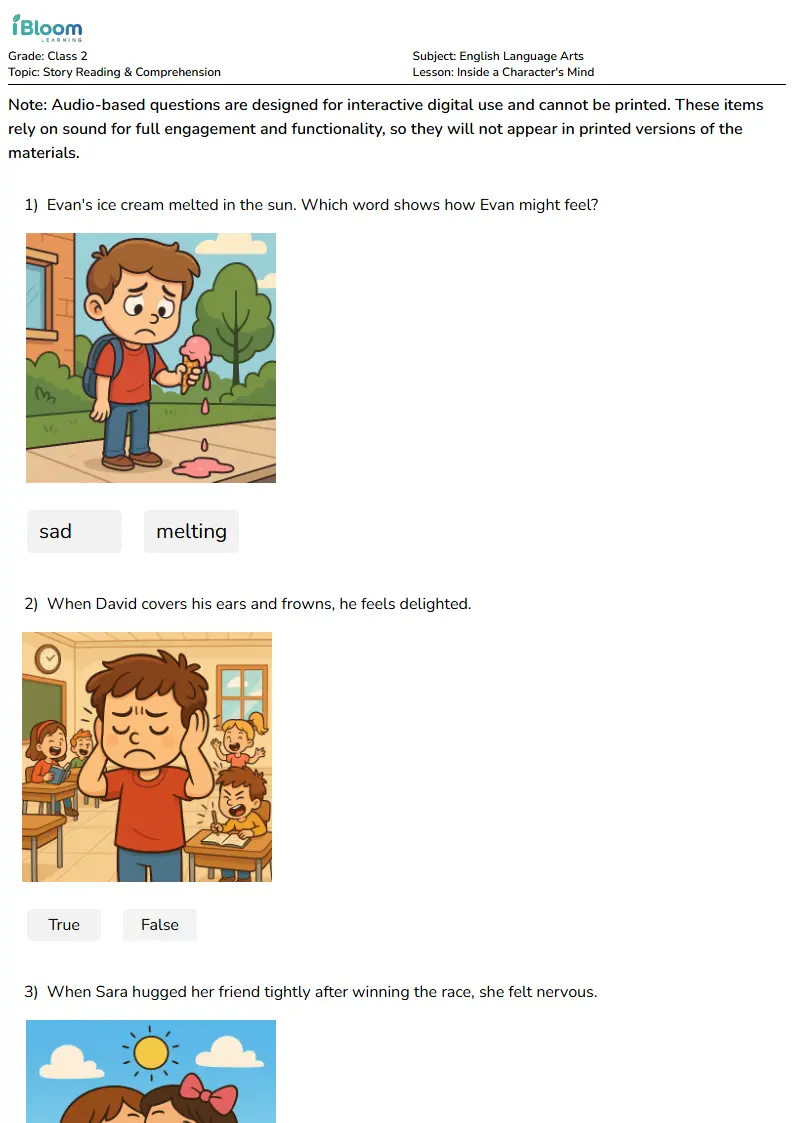
Free Inside a Character's Mind Worksheets for Class 2
Looking for class 2 english language arts help? Download free, interactive inside a character's mind worksheets. AI-personalized and Common Core-aligned. Practice early literacy with iBloom.
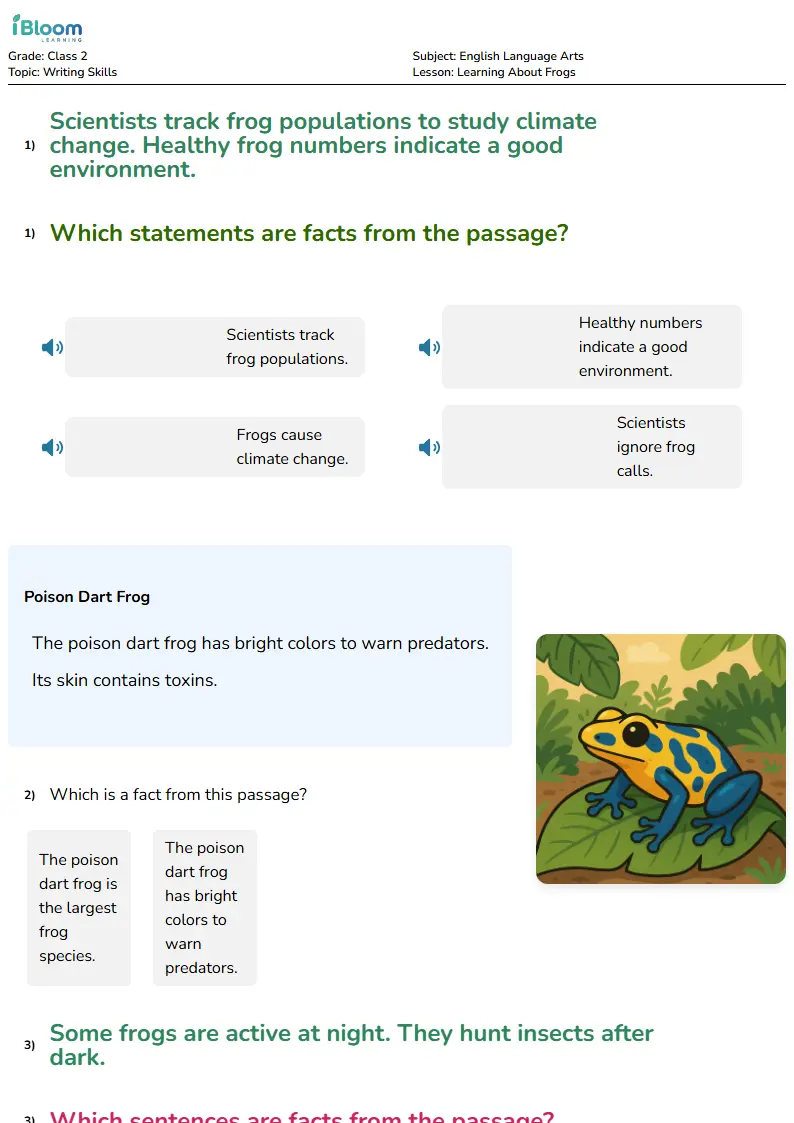
Free Learning About Frogs Worksheets for Class 2
Looking for class 2 english language arts help? Download free, interactive learning about frogs worksheets. AI-personalized and Common Core-aligned. Practice early literacy with iBloom.
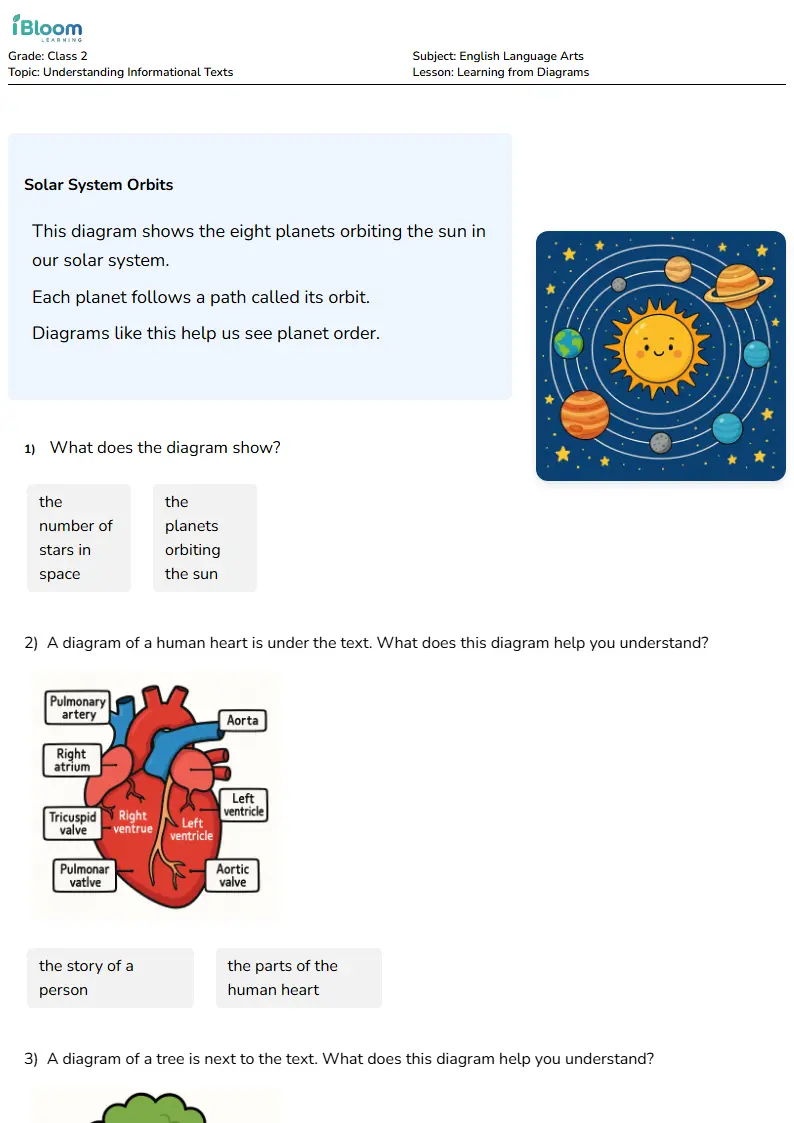
Free Learning from Diagrams Worksheets for Class 2
Looking for class 2 english language arts help? Download free, interactive learning from diagrams worksheets. AI-personalized and Common Core-aligned. Practice early literacy with iBloom.
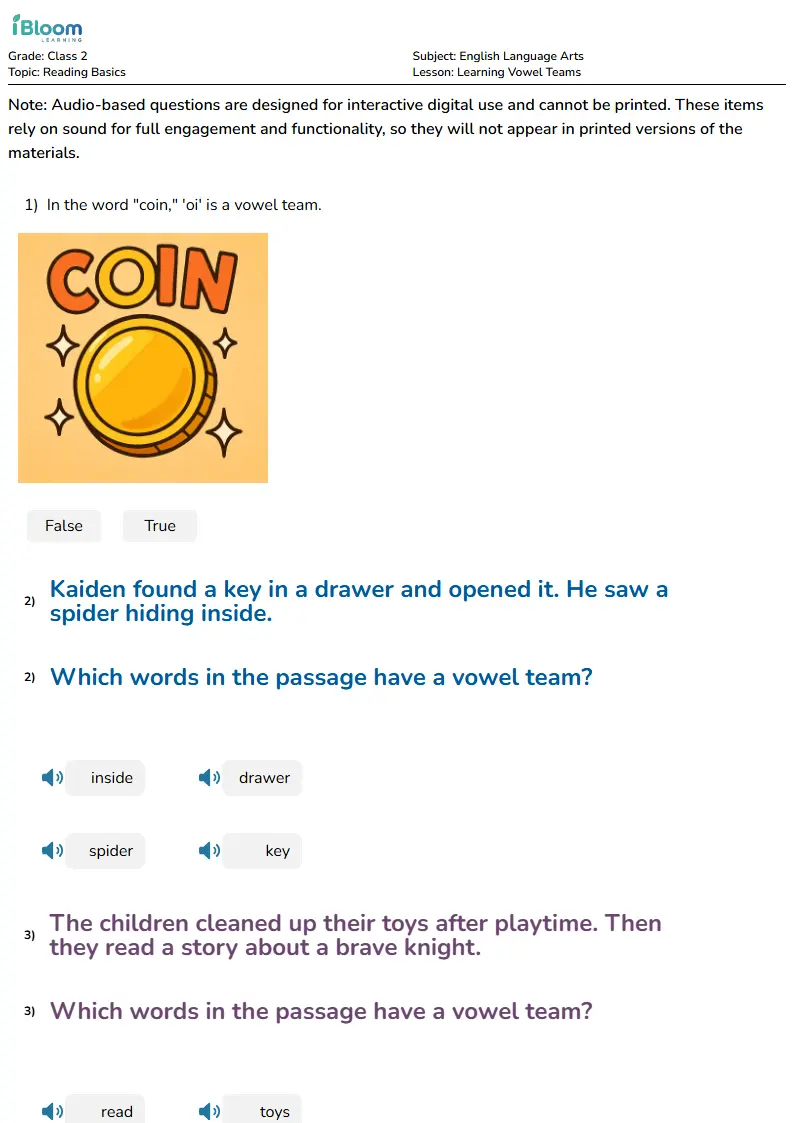
Free Learning Vowel Teams Worksheets for Class 2
Looking for class 2 english language arts help? Download free, interactive learning vowel teams worksheets. AI-personalized and Common Core-aligned. Practice early literacy with iBloom.