Free printable practice
Class 2 Vocabulary Practice
Printable Class 2 vocabulary worksheets for word meanings, prefixes, suffixes, compound words, homophones, synonyms, antonyms and sentence use.
Explore Class 2
Free printable worksheet PDFs
Preview every available page, then download the free worksheet PDF for home, homeschool, tutoring, or classroom practice.
Preview the exact activity before downloading it.
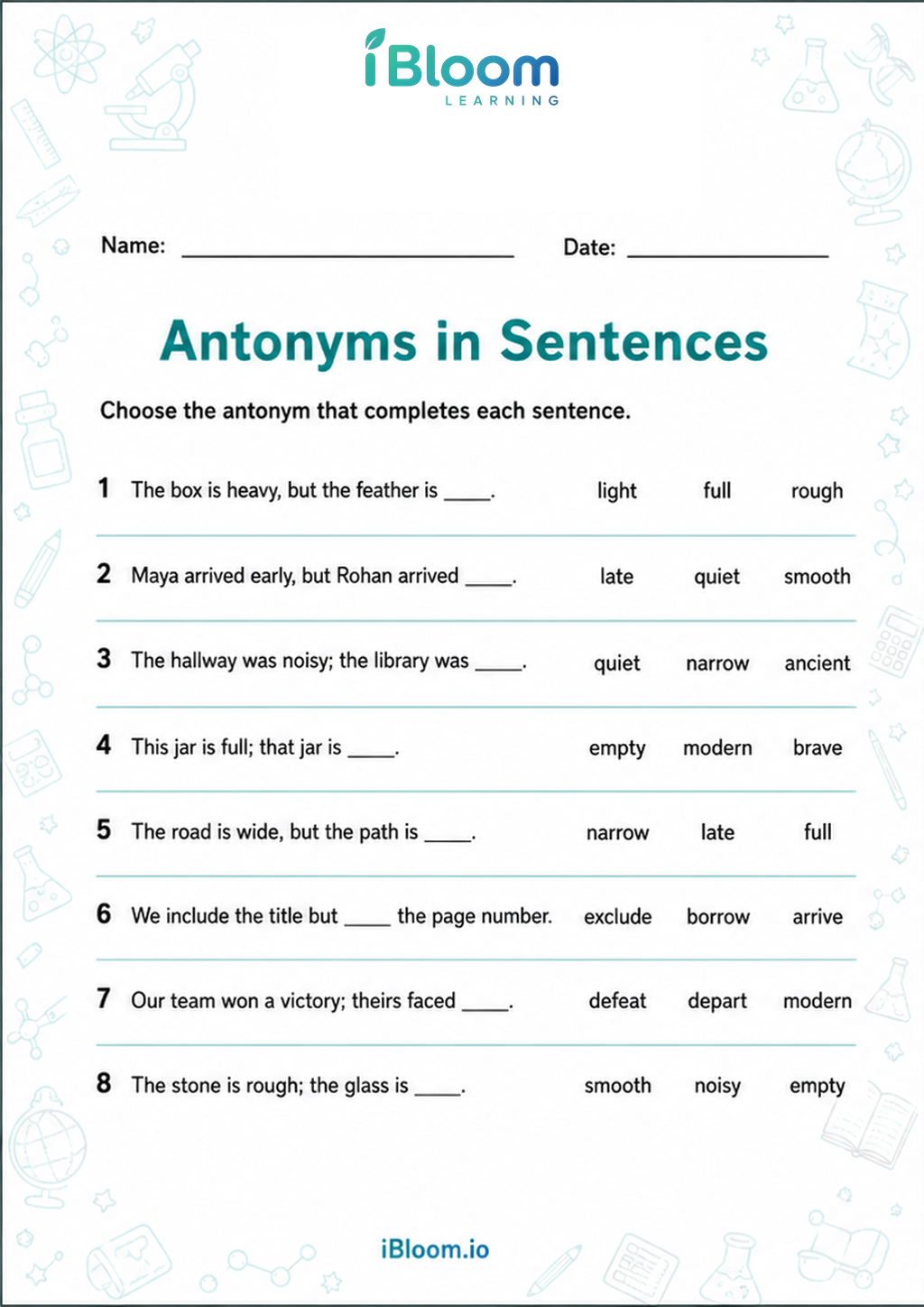 Antonyms in SentencesClass 2 printable practice for Antonyms.Class 2Free PDF preview
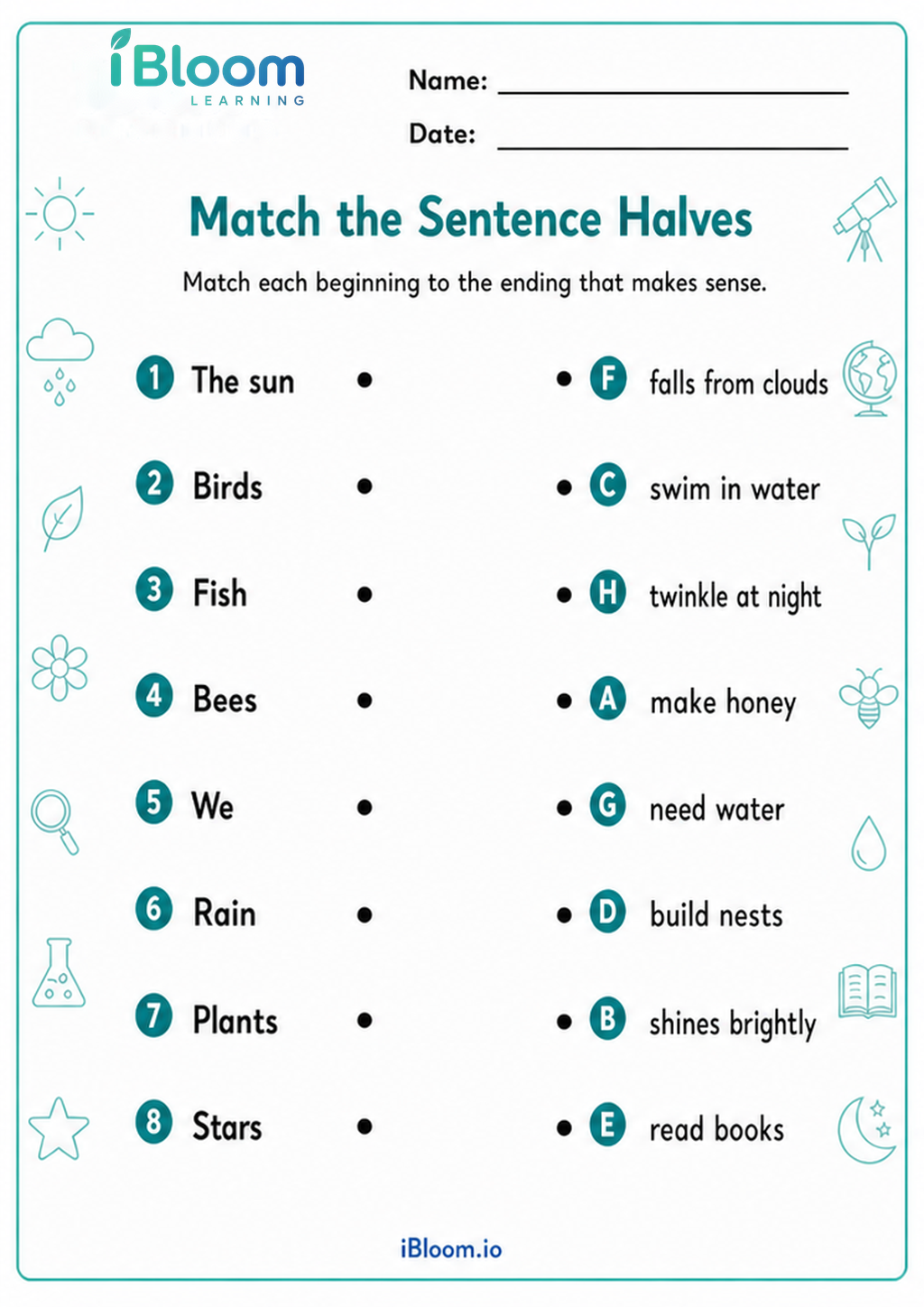 Match the Sentence HalvesClass 2 printable practice for Matching Phrases.Class 2Free PDF preview
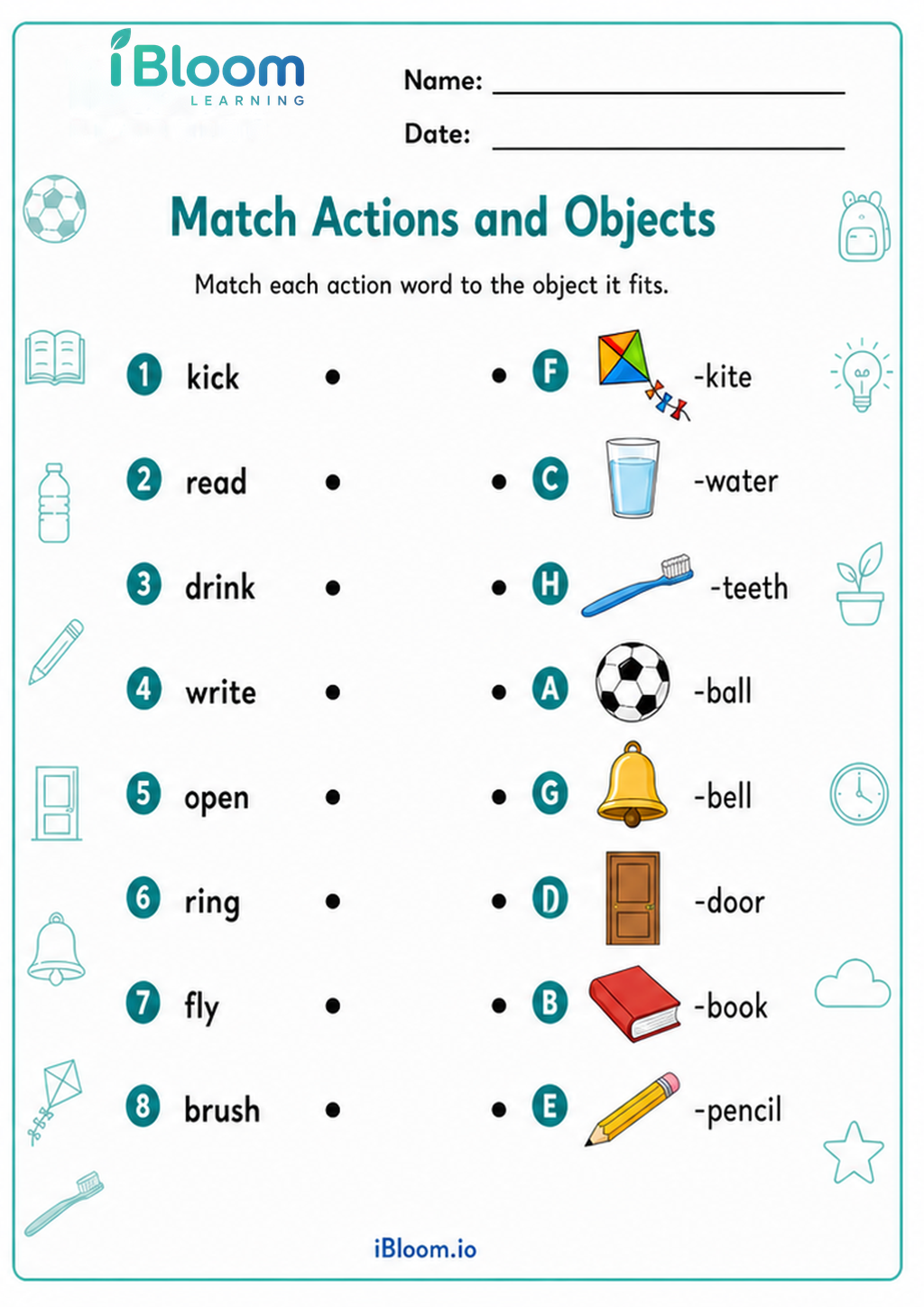 Match Actions and ObjectsClass 2 printable practice for Matching Phrases.Class 2Free PDF preview
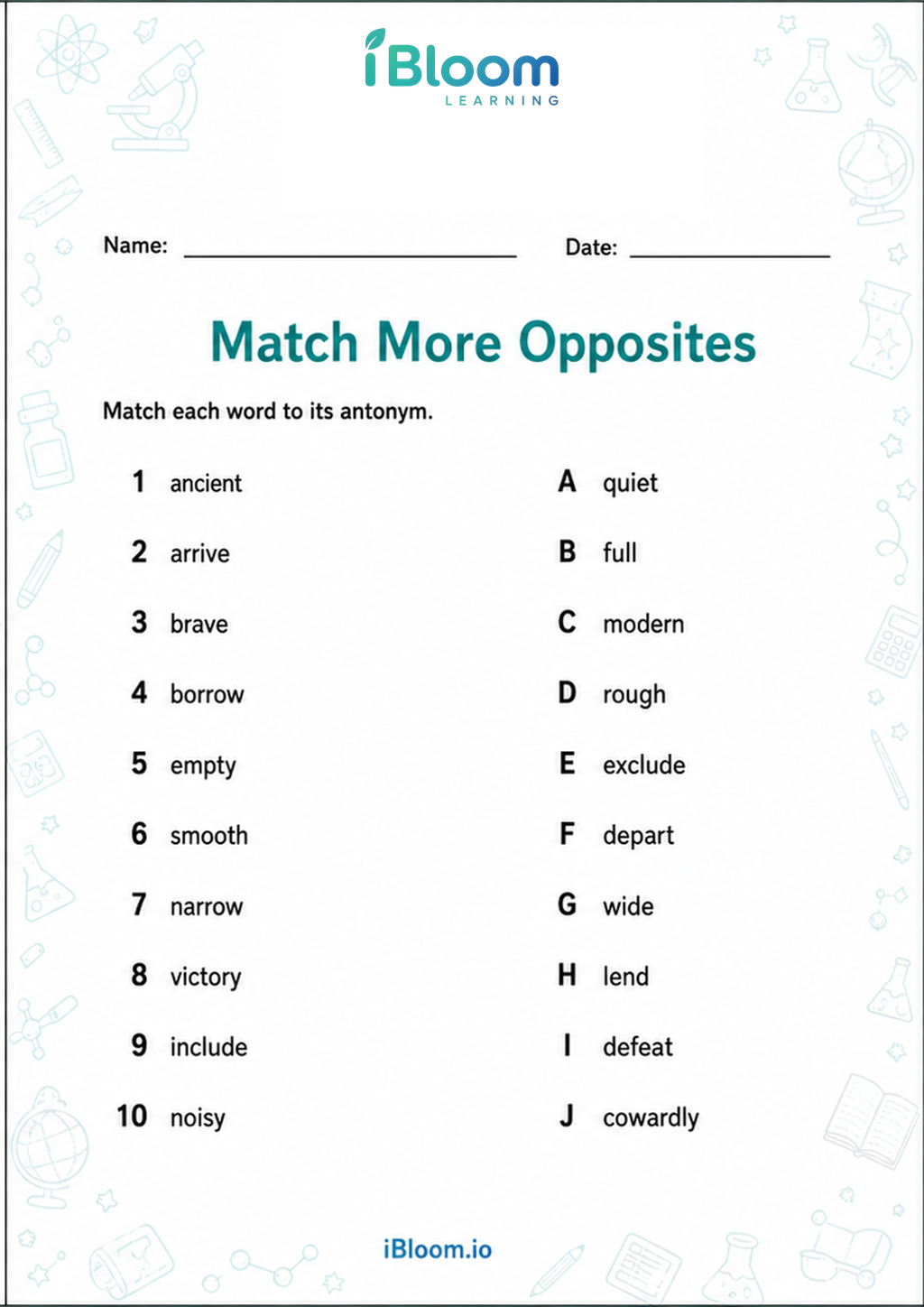 Match More OppositesClass 2 printable practice for Antonyms.Class 2Free PDF preview
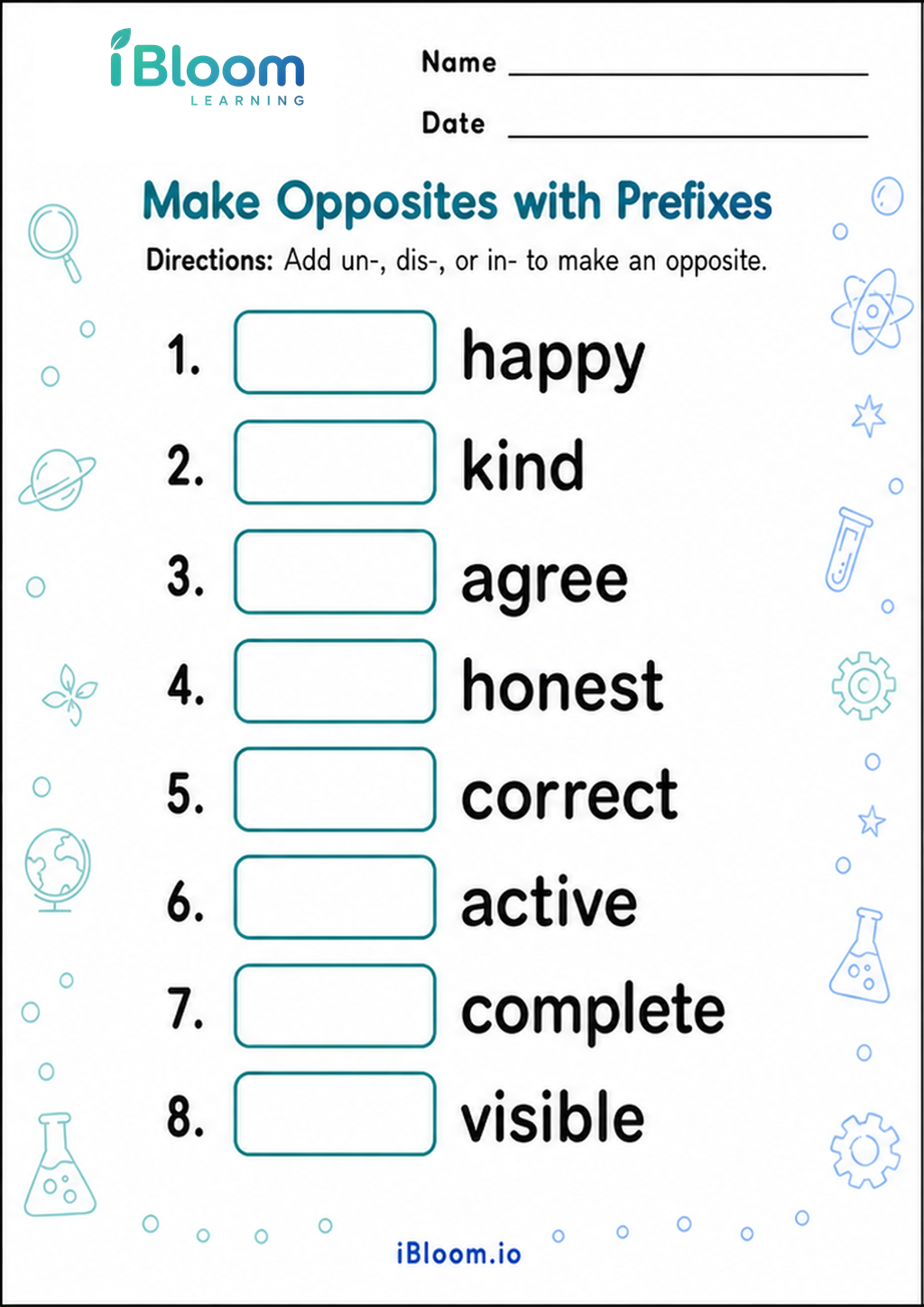 Make Opposites with PrefixesClass 2 printable practice for Antonyms.Class 2Free PDF preview
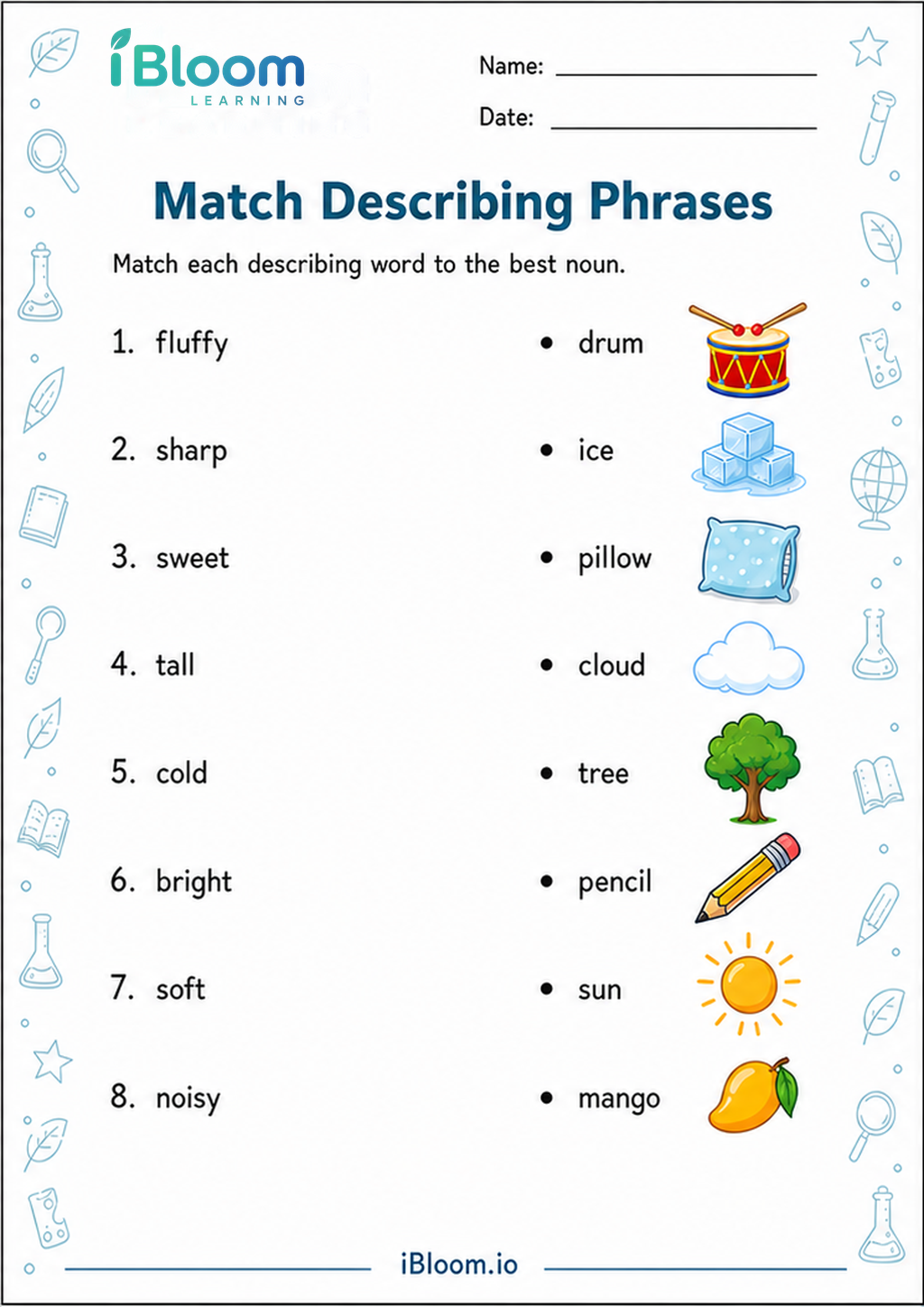 Match Describing PhrasesClass 2 printable practice for Matching Phrases.Class 2Free PDF preview
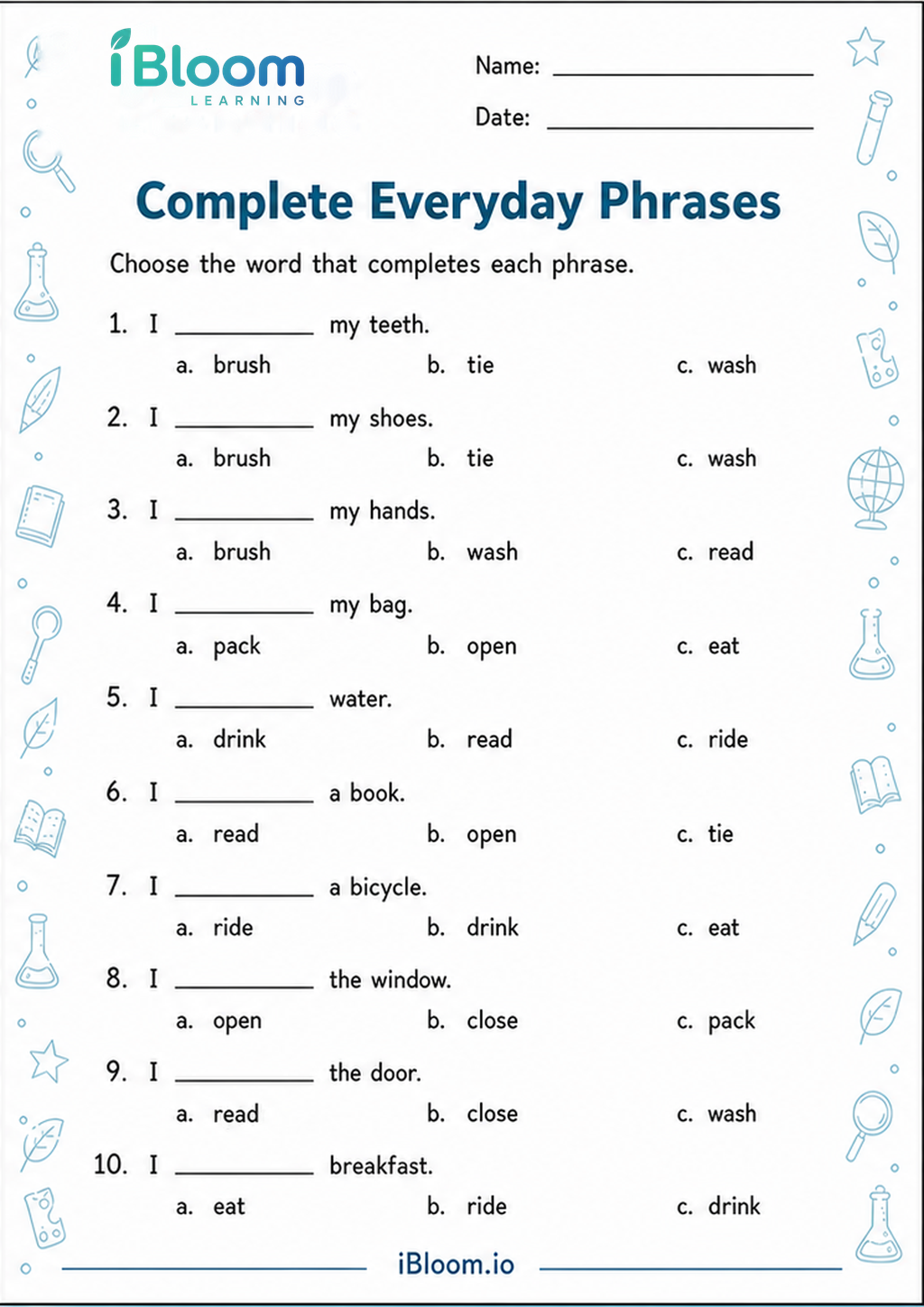 Complete Everyday PhrasesClass 2 printable practice for Matching Phrases.Class 2Free PDF preview
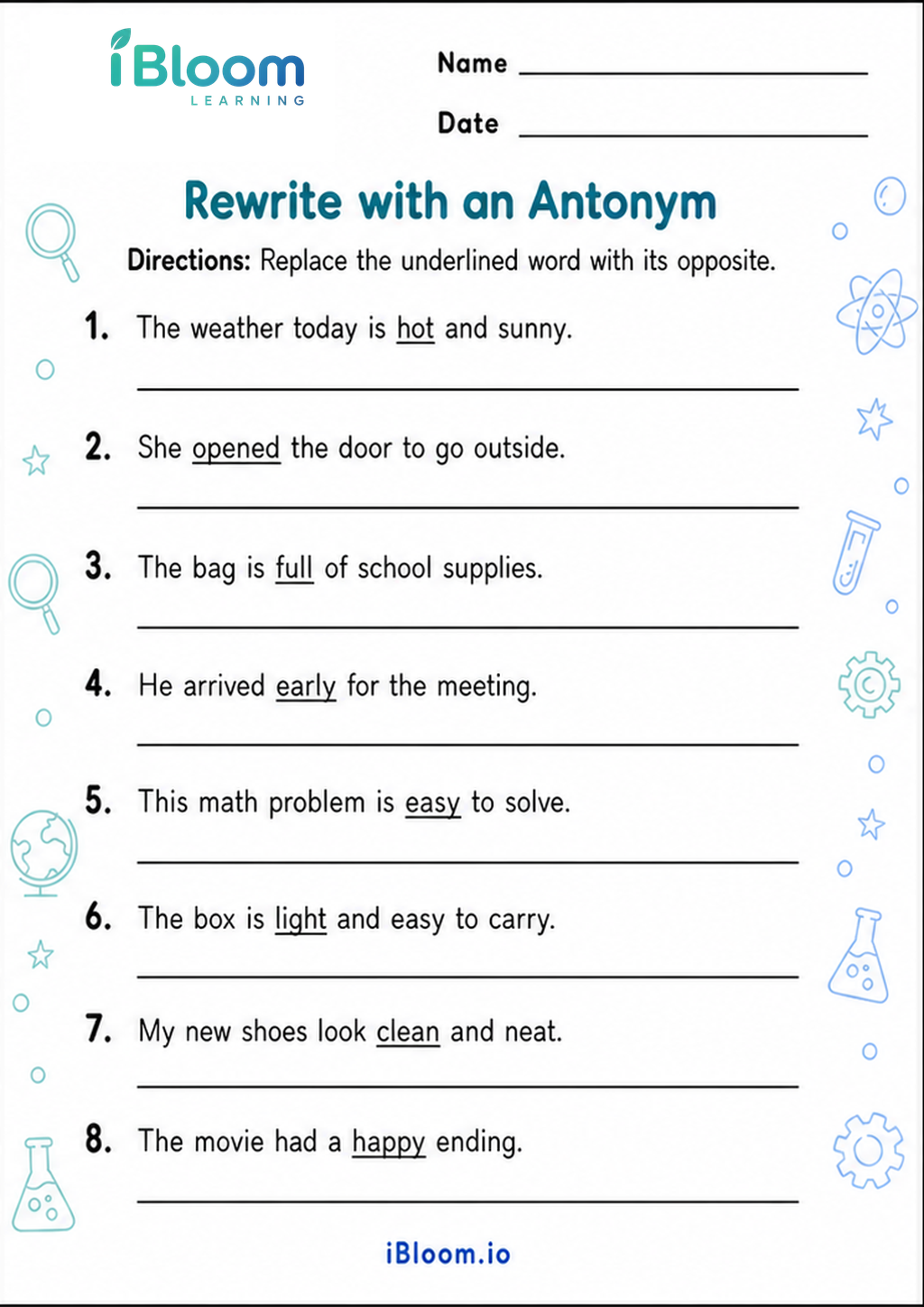 Rewrite with an AntonymClass 2 printable practice for Antonyms.Class 2Free PDF preview
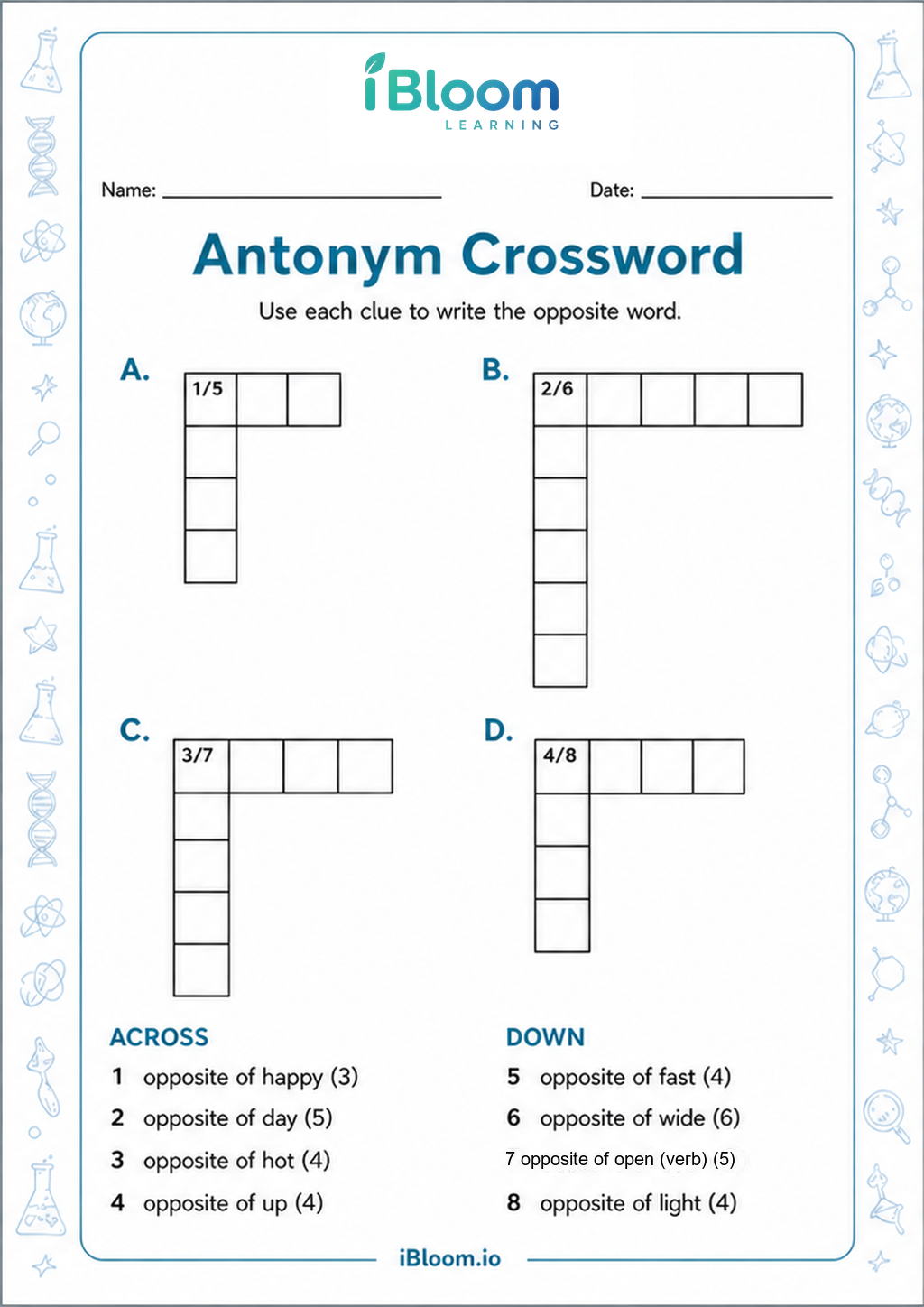 Antonym CrosswordClass 2 printable practice for Antonyms.Class 2Free PDF preview
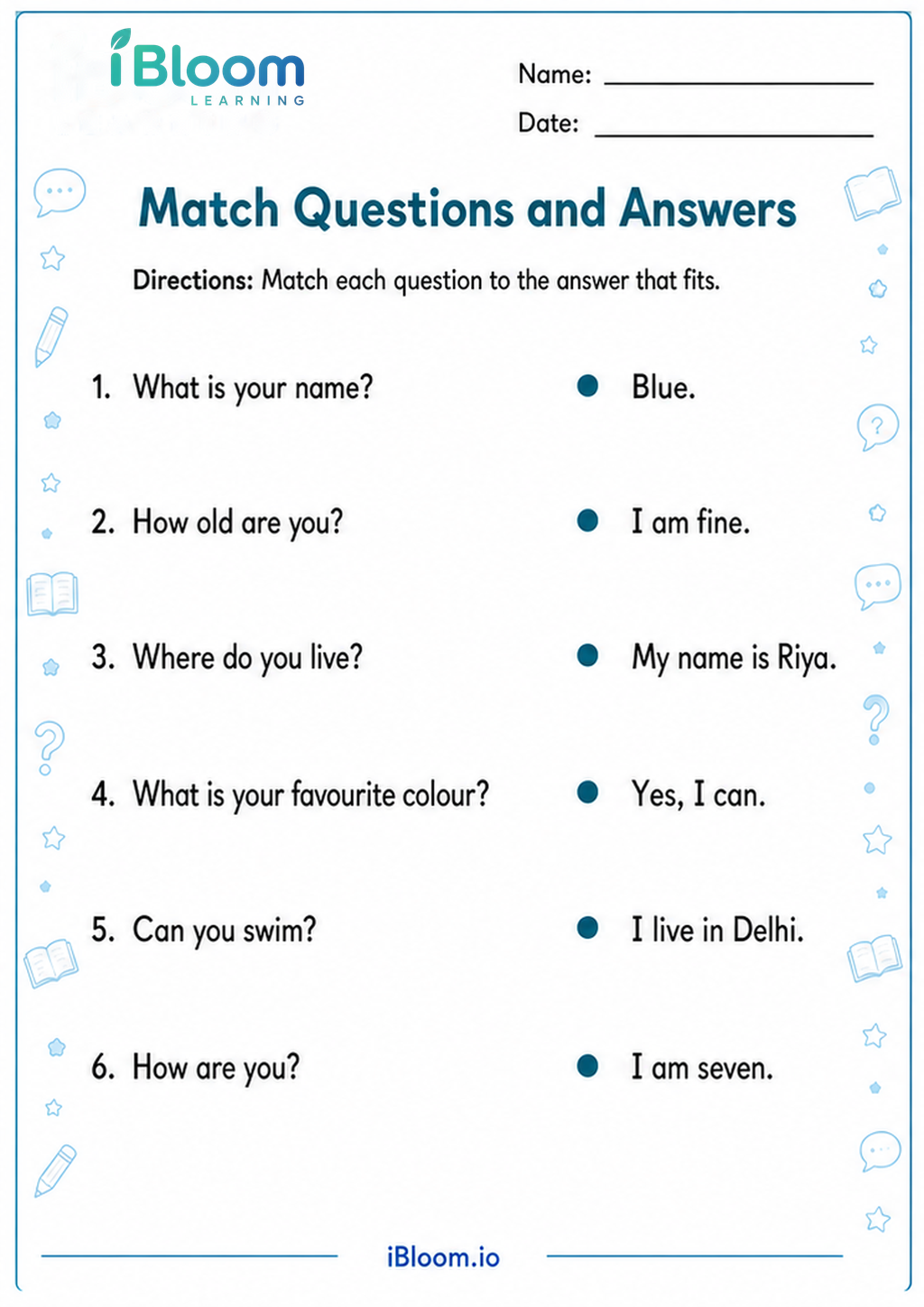 Match Questions and AnswersClass 2 printable practice for Matching Phrases.Class 2Free PDF preview
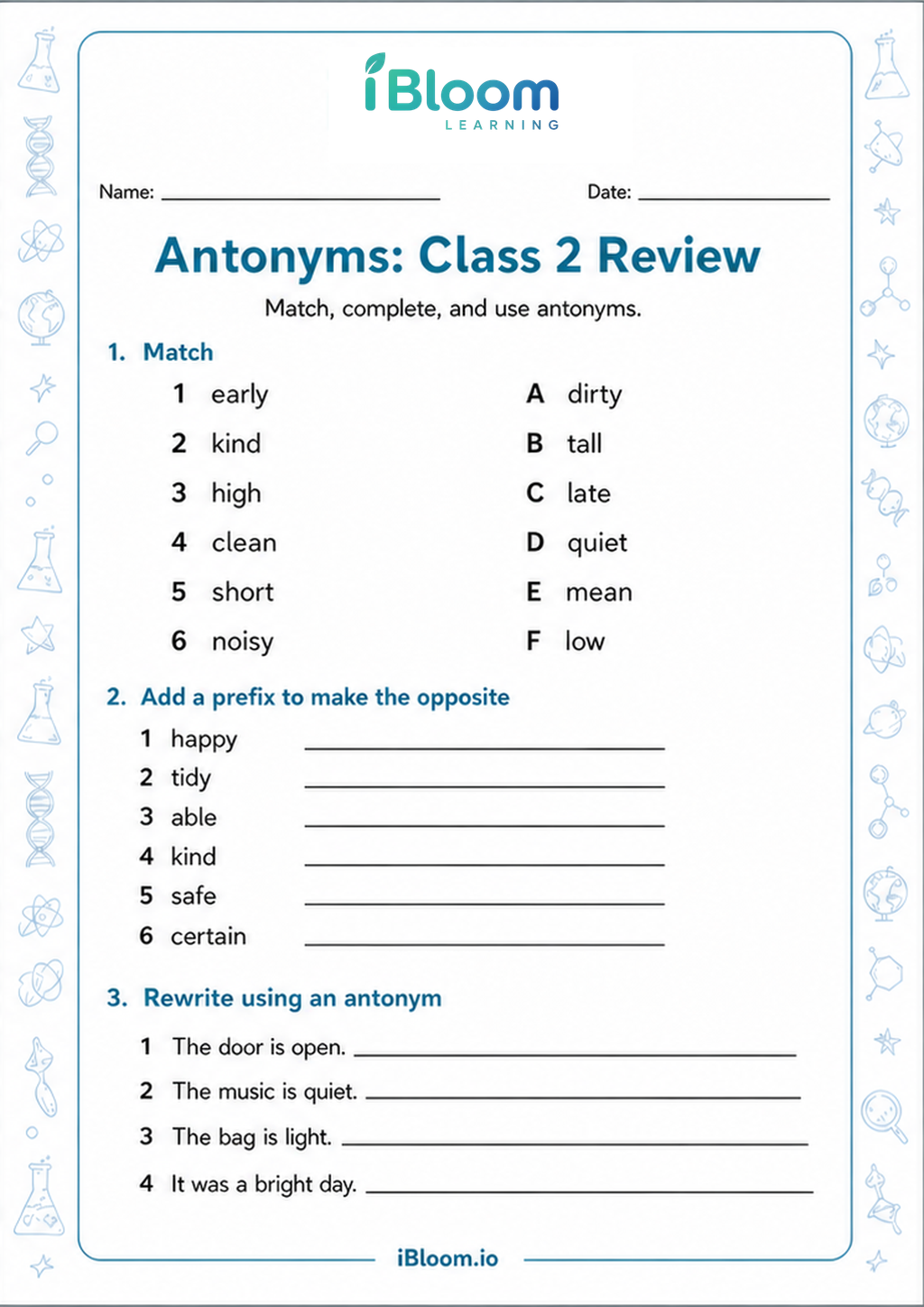 Antonyms: Class 2 ReviewClass 2 printable practice for Antonyms.Class 2Free PDF preview
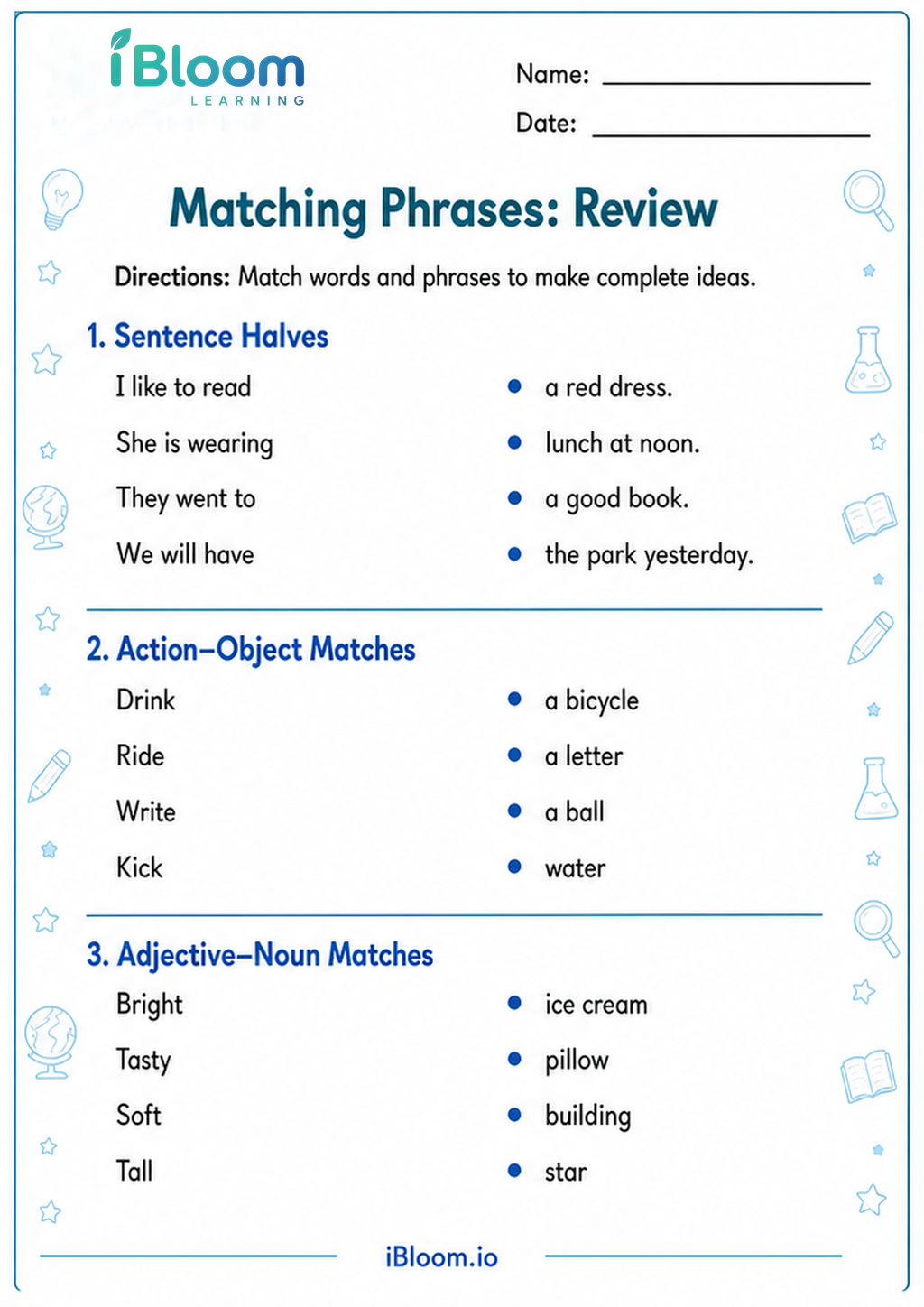 Matching Phrases: ReviewClass 2 printable practice for Matching Phrases.Class 2Free PDF preview
Practice that builds confidence
What children learn
These Class 2 Vocabulary Practice worksheets help children build a stronger word bank and use words more accurately in sentences. Learners practise meanings of words, word definitions, context clues, synonyms, antonyms, homophones, shades of meaning, multiple meaning words and correct use of “there is” and “there are”.
The printable activities include matching phrases, jumbled words, word search, crosswords, synonyms crossword, alphabetical order words, prefixes, suffixes, compound words, paragraphs and sentence tasks. Each sheet gives children repeated, varied practice so they can read, understand and choose words with confidence.
Class 2 vocabulary grows from simply recognising words to understanding how words work in real reading and writing. These worksheets ask children to connect a word with its meaning, select a synonym or antonym, spot a homophone, arrange words in alphabetical order, and use clues in a sentence to understand an unfamiliar word. Activities on sentences and paragraphs help children see vocabulary as part of communication, not just as a list to memorise.

Word parts and word building
Prefixes and suffixes are introduced through clear examples so children notice how small word parts change meaning. A child may identify a prefix, add a suffix, or write compound words by joining two smaller words. Jumbled words, word search and crosswords make practice playful while still reinforcing spelling, word shape and recall. Multiple meaning words and shades of meaning encourage careful thinking, such as noticing that two words may be similar but not exactly the same.
A simple parent routine
At home, choose one worksheet and read the instructions aloud together. Ask your child to explain one example before writing the answers. After the sheet, pick three words from it and use them in oral sentences, such as one sentence with a synonym, one with an antonym and one with a homophone. For alphabetical order, let your child underline the first letter, then compare the second letter when two words begin alike.

Classroom uses for teachers
Teachers can use these printables for vocabulary warm-ups, reading groups, early finisher tasks, revision folders or language centres. Matching phrases and word definitions work well for pair discussion, while context clues and paragraph activities suit guided reading follow-up. Crosswords and word searches can be used after a lesson to consolidate new vocabulary without making practice feel repetitive.

Common errors to watch for
Children may confuse homophones because they sound alike, choose a synonym that does not fit the sentence, or add prefixes and suffixes without checking whether the new word makes sense. In “there is” and “there are” tasks, remind them to look at whether the noun is one or more than one. In compound words, check that both smaller words combine to make a real word.
Free printable PDF download
Use this Class 2 vocabulary worksheet page to preview the activity, print it, or download it as a PDF for quick practice. It works well for homework, homeschool lessons, tutoring, morning work, revision, and classroom centers.
Answers and answer key support
After the child completes the worksheet independently, parents and teachers can use the answer support or answer key information to check the work, review mistakes, and choose the next practice step.
Why iBloom worksheets help
The collection moves across meanings, word relationships, word parts and sentence use, giving Class 2 children many ways to meet the same vocabulary skills. A child-friendly strategy is: read the whole sentence, circle clue words, try the answer aloud, then check if it sounds and means right.
Helpful answers
Frequently asked questions
What vocabulary skills are covered in these Class 2 worksheets?
They cover word meanings, definitions, context clues, synonyms, antonyms, homophones, multiple meaning words, shades of meaning, compound words, prefixes, suffixes, alphabetical order, sentences and short paragraph-based vocabulary practice.
How can my child practise “there is” and “there are” correctly?
Ask your child to find the noun first. If it names one person, place or thing, use “there is”. If it names more than one, use “there are”. Reading the full sentence aloud also helps children notice what sounds right.
Are word search and crossword activities useful for vocabulary learning?
Yes. Word searches strengthen spelling and word recognition, while crosswords make children think about meanings and clues. They are especially helpful after a child has already met the words in reading or class discussion.
What is the difference between synonyms and shades of meaning?
Synonyms are words with similar meanings, such as big and large. Shades of meaning show small differences between similar words, such as warm, hot and boiling, helping children choose the most accurate word.
How should these worksheets be used with a Class 2 reader?
Use one focused sheet at a time. Let the child read the directions, complete a few examples independently, then discuss tricky words. Finish by asking the child to use two or three worksheet words in new sentences.
Is this Class 2 vocabulary worksheet free?
Yes. You can preview it for free and use the printable worksheet for home or classroom practice.
Can I download this Class 2 vocabulary worksheet as a PDF?
Yes. Use the worksheet download option to save a printable PDF, or print the worksheet directly from the page.
Does this Class 2 vocabulary worksheet include answers or an answer key?
When the activity has fixed answers, iBloom includes answer support so parents and teachers can check the completed worksheet.